

V.N. Sarin v. Ajit Kumar Poplai, AIR 1966 SC 432
- Gulzar Hashmi
- India

Quick Summary
The case asks a simple question: when a Hindu joint family divides property, is it a “transfer”? The landlord got the house on partition and sought eviction for personal need under the Delhi Rent Control Act. The tenant said, “No, you acquired it by transfer, so Section 14(6) blocks you.” The Supreme Court said partition is not a transfer. It only separates rights that already existed. So, Section 14(6) did not stop the eviction case.
Issues
- Is partition of coparcenary property a “transfer” within Section 53, Transfer of Property Act, 1882?
- If not a transfer, does Section 14(6) of the Delhi Rent Control Act bar the landlord’s eviction claim?
Rules
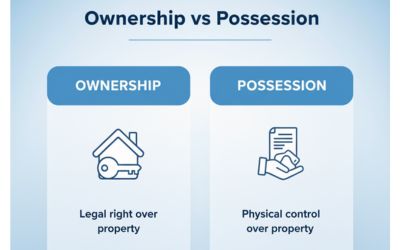
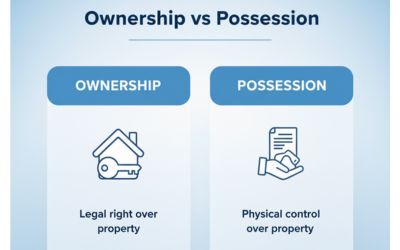
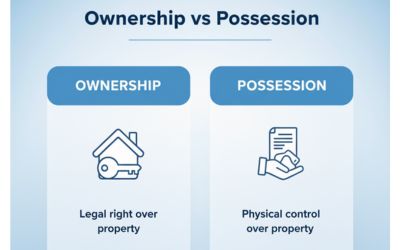
- Partition does not create new rights; it identifies and separates existing joint rights into specific shares.
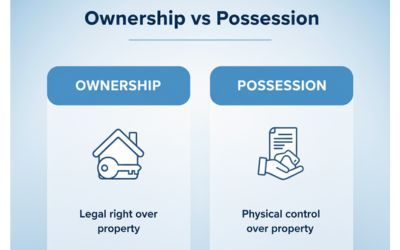
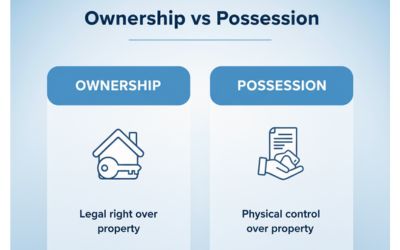
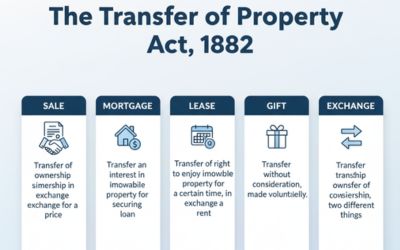
- In partition, no property is conveyed from one person to another; hence, it is not a “transfer” under TPA s.53.
- Section 14(6) DRC restricts eviction if the landlord acquired by transfer recently; it does not apply to acquisitions by partition.
Facts (Timeline)
Timeline
Arguments
Appellant (Tenant)
- Respondent got the house by “transfer” after partition.
- Section 14(6) DRC blocks fresh eviction soon after such acquisition.
- So, eviction under s.14(1)(e) should not be allowed.
Respondent (Landlord)
- Partition is not a transfer; it separates existing rights.
- Section 14(6) does not apply; personal need eviction can proceed.
- Title from partition stands on coparcenary law, not conveyance.
Judgment

The Supreme Court agreed with the High Court. It held that partition of coparcenary property is not a transfer within TPA s.53. Therefore, s.14(6) DRC did not bar the landlord’s application under s.14(1)(e).
- Partition distributes joint rights; it does not convey new rights.
- Landlord’s eviction plea for personal use could proceed on merits.
Ratio
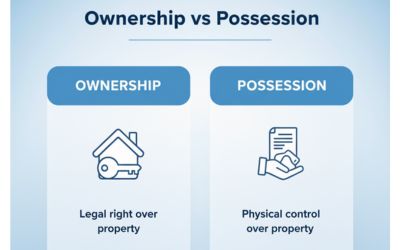
Partition under Hindu law is a mode of separation, not a transfer. Each coparcener already owns along with others; partition fixes and allots specific shares. No conveyance. Hence, “acquisition by transfer” in DRC s.14(6) does not include partition.
Why It Matters
- Clarity on coparcenary partition and “transfer”.
- Guides rent control disputes after family partitions.
- Affirms doctrinal line: separation vs. conveyance.
Key Takeaways
- Partition ≠ Transfer (no conveyance, only separation).
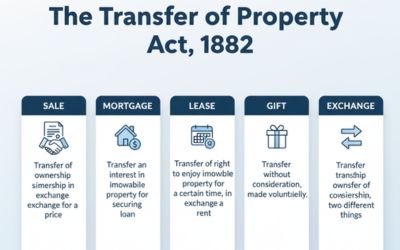
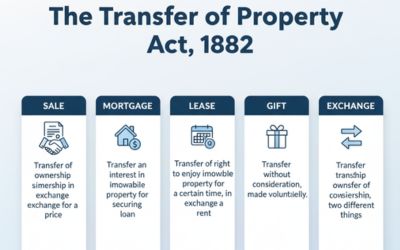
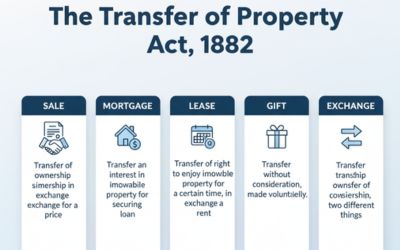
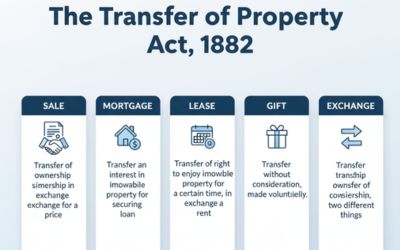
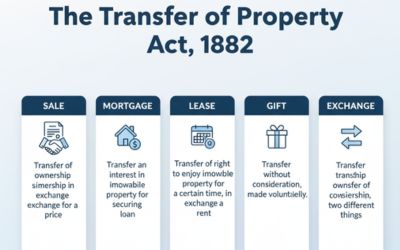
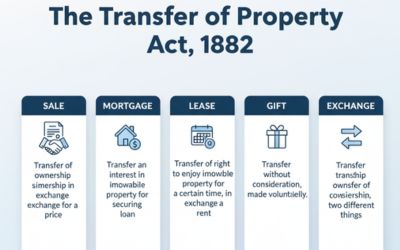
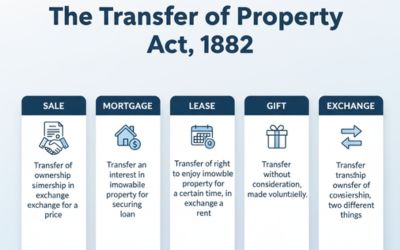
- TPA s.53 “transfer” does not cover partition.
- DRC s.14(6) bar does not apply to partition-based ownership.
- Eviction for genuine personal need can proceed if other conditions are met.
Mnemonic + 3-Step Hook
Mnemonic: “PART = PARTS, NOT PASS”
- PARTition makes PARTS of what you already own.
- It does NOT PASS property like a sale or gift.
3-Step Hook:
- Ask: Did anyone convey new title? If no → likely not transfer.
- Check: Were rights pre-existing and now separated? If yes → partition.
- Apply: DRC s.14(6) only if there was a transfer.
IRAC Outline
Issue
Is partition of HUF property a “transfer” under TPA s.53 and DRC s.14(6)?
Rule
Partition separates joint rights; it does not convey property from one person to another.
Application
Landlord got the premises on partition; no conveyance occurred. Thus s.14(6) DRC did not bar the eviction claim.
Conclusion
Partition is not a transfer; appeal failed; eviction application maintainable.
Glossary
- Coparcenary
- Joint family unit where members share ownership in ancestral property.
- Partition
- Separation of joint rights into fixed shares for each coparcener.
- Transfer
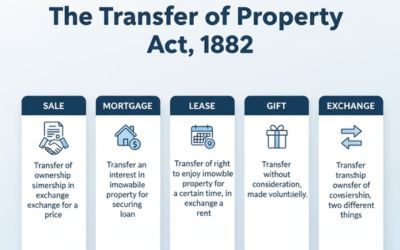
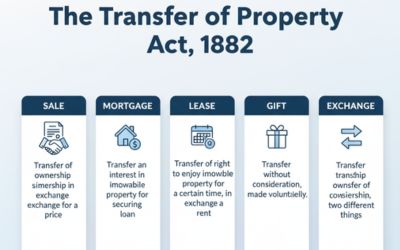
- Conveyance of property from one person to another (e.g., sale, gift); not the same as partition.
FAQs
Partition & Coparcenary
Cases that explain the nature of partition and how shares are worked out among coparceners.
“Transfer” Under TPA
Decisions clarifying what counts as a transfer under the Transfer of Property Act.
Case Metadata






















Popular & Recent Post



























































































Comment
Nothing for now