

Indian Young Lawyers Association v. State of Kerala (Sabarimala Temple Case, 2018)
Can temple custom override women’s fundamental rights? This case turned the Sabarimala temple debate into a full constitutional classroom on equality, faith and constitutional morality.
indian-young-lawyers-association-v-state-of-kerala-2018-sabarimala-temple-case

Quick Summary
This case is about the Sabarimala temple in Kerala, where women between 10 and 50 years were not allowed to enter. The rule was based on a custom linked to Lord Ayyappa’s celibacy and was supported by a state rule.
A public interest petition was filed under Article 32 by the Indian Young Lawyers Association and others. They argued that the ban was a clear form of gender discrimination and violated women’s fundamental rights.
- Court: Supreme Court of India
- Bench: 5-judge constitutional bench
- Majority: 4 judges; Dissent: 1 judge (Justice Indu Malhotra)
- Holding: Exclusion of women (10–50 years) is unconstitutional; Rule 3(b) struck down
Issues Before the Court
- Discrimination: Does the exclusion of women of menstruating age from Sabarimala violate Articles 14, 15 and 17 of the Constitution?
- Essential religious practice: Is this exclusion an essential religious practice protected under Article 25?
- Religious denomination: Are Ayyappa devotees a separate religious denomination entitled to protection under Article 26?
- Validity of Rule 3(b): Does Rule 3(b) of the Kerala Hindu Places of Public Worship Rules, 1965 validly restrict women’s entry, or does it violate Articles 14 and 15?
- Ultra vires question: Is Rule 3(b) beyond the power of the parent Act of 1965 (ultra vires) and contrary to Part III of the Constitution?
Rules & Provisions
Constitutional Provisions
- Article 14 – Equality before law
- Article 15 – No discrimination on ground of sex
- Article 17 – Abolition of untouchability
- Article 25 – Freedom of religion (individual)
- Article 26 – Rights of religious denominations
Statutes & Rules
- Kerala Hindu Places of Public Worship (Authorisation of Entry) Act, 1965 – Section 3
- Rule 3(b) of 1965 Rules – barred entry of women between 10–50 years
- Article 32 – Writ jurisdiction of Supreme Court (for filing the petition)
Facts – Timeline Style
Sabarimala is an ancient Hindu temple in Kerala dedicated to Lord Ayyappa, who is believed to be a naisthik brahmachari (eternal celibate).
Over time, a practice developed that women between 10 and 50 years, that is women of menstruating age, should not enter the temple.
The Kerala Hindu Places of Public Worship Act, 1965 was passed. Section 3 said that all Hindus should be allowed entry to temples.
However, Rule 3(b) under this Act allowed restriction on women between 10 and 50 years in certain temples, including Sabarimala.
On the basis of the belief about Ayyappa’s celibacy and the 41-day vratham (austerity), women in the 10–50 age group were not allowed to join the pilgrimage.
The temple authorities claimed that this was not about inferiority of women, but about protecting the special nature of the deity.
Indian Young Lawyers Association and others filed a writ petition under Article 32 in the Supreme Court.
They argued that the custom and Rule 3(b) were unconstitutional and violated the rights of women devotees.
A 5-judge constitution bench heard the matter, treated it as a clash between religious freedom and gender equality, and delivered a 4:1 majority judgment in 2018.
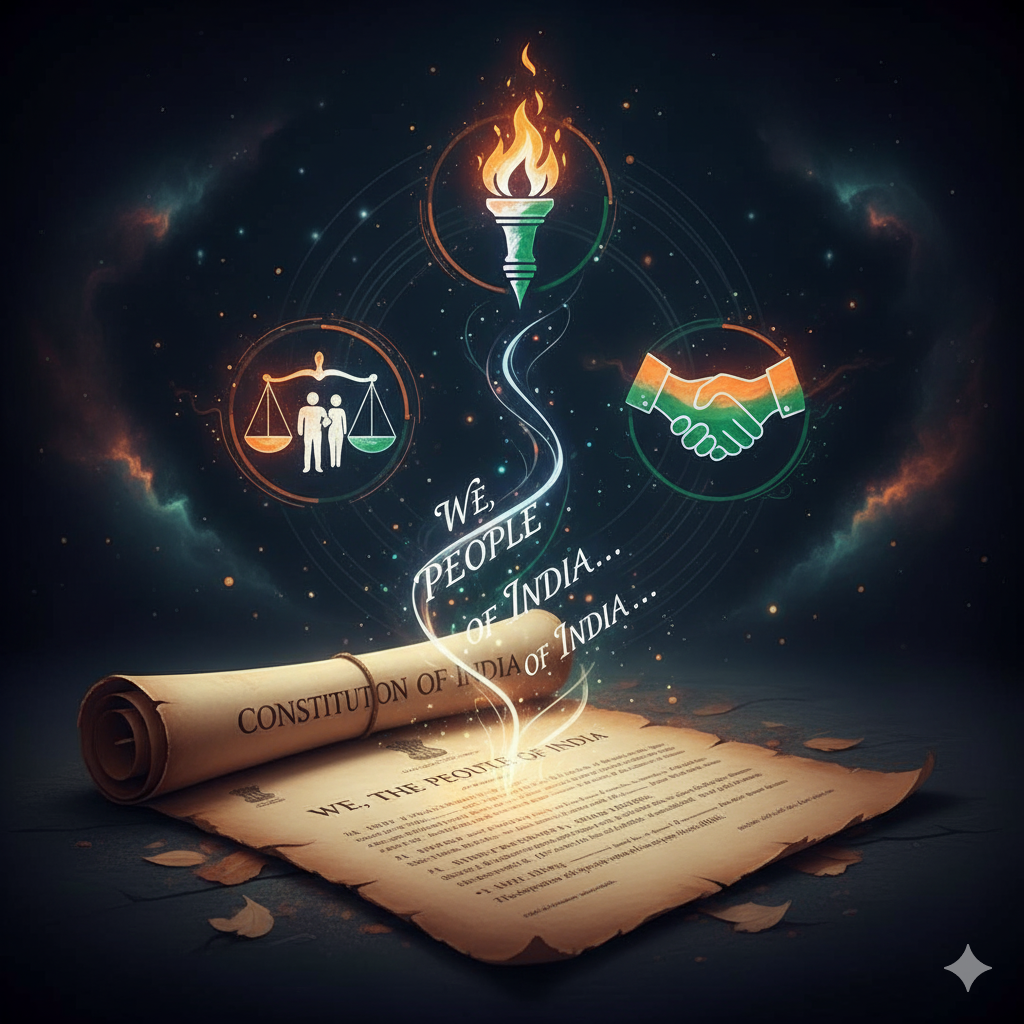
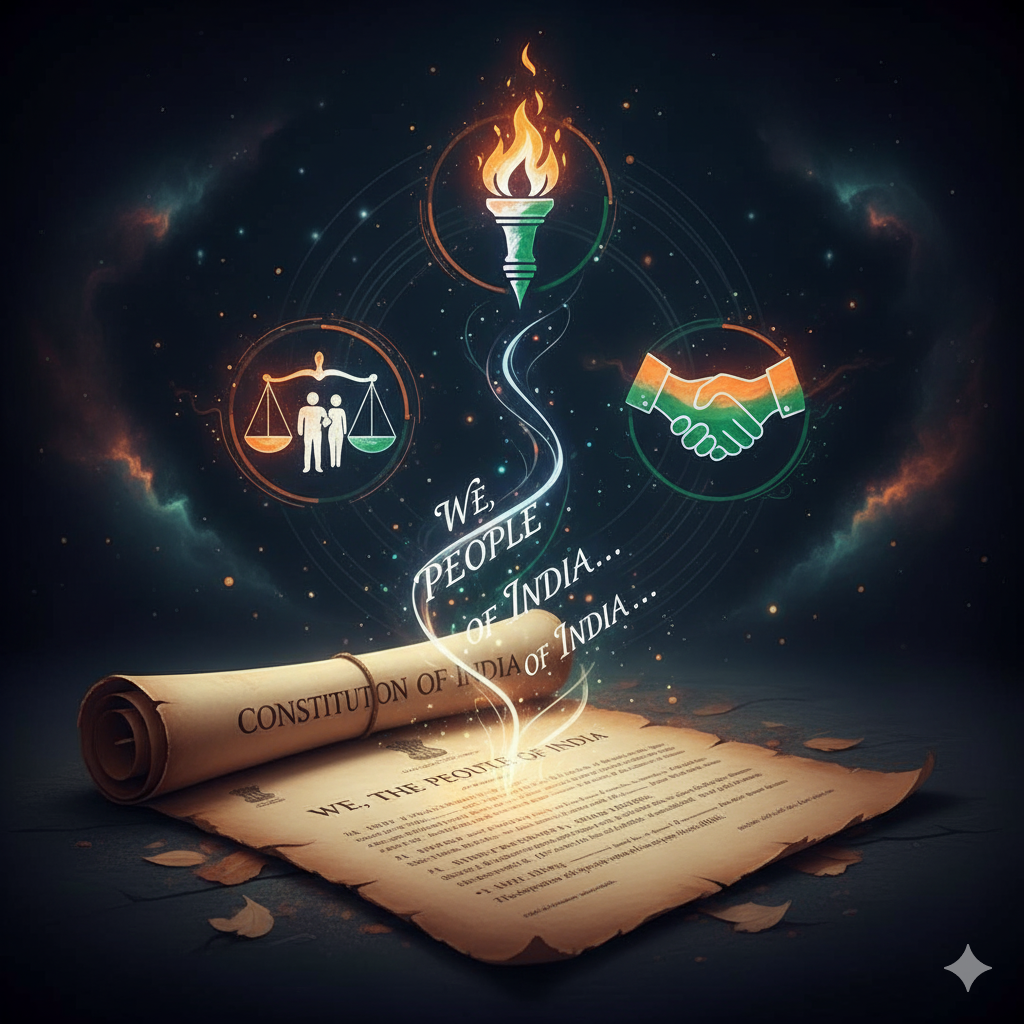
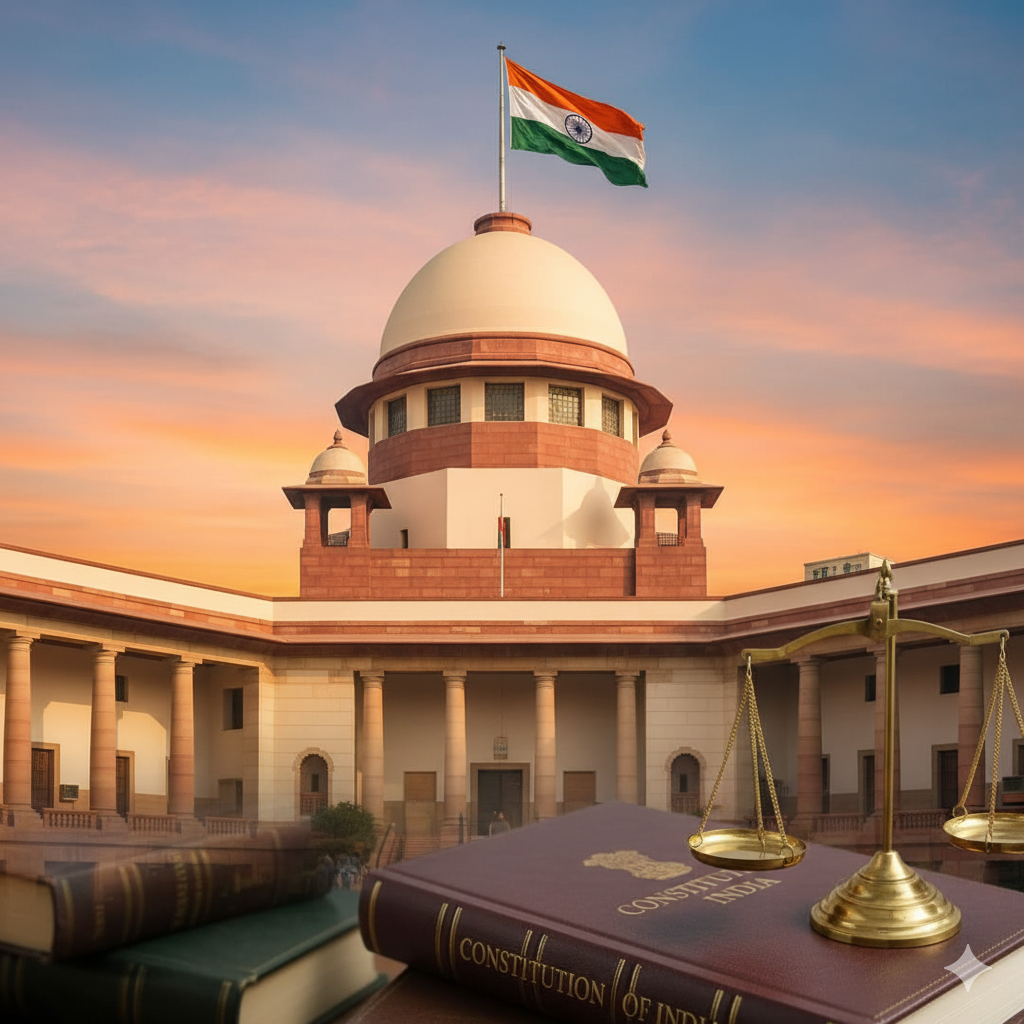
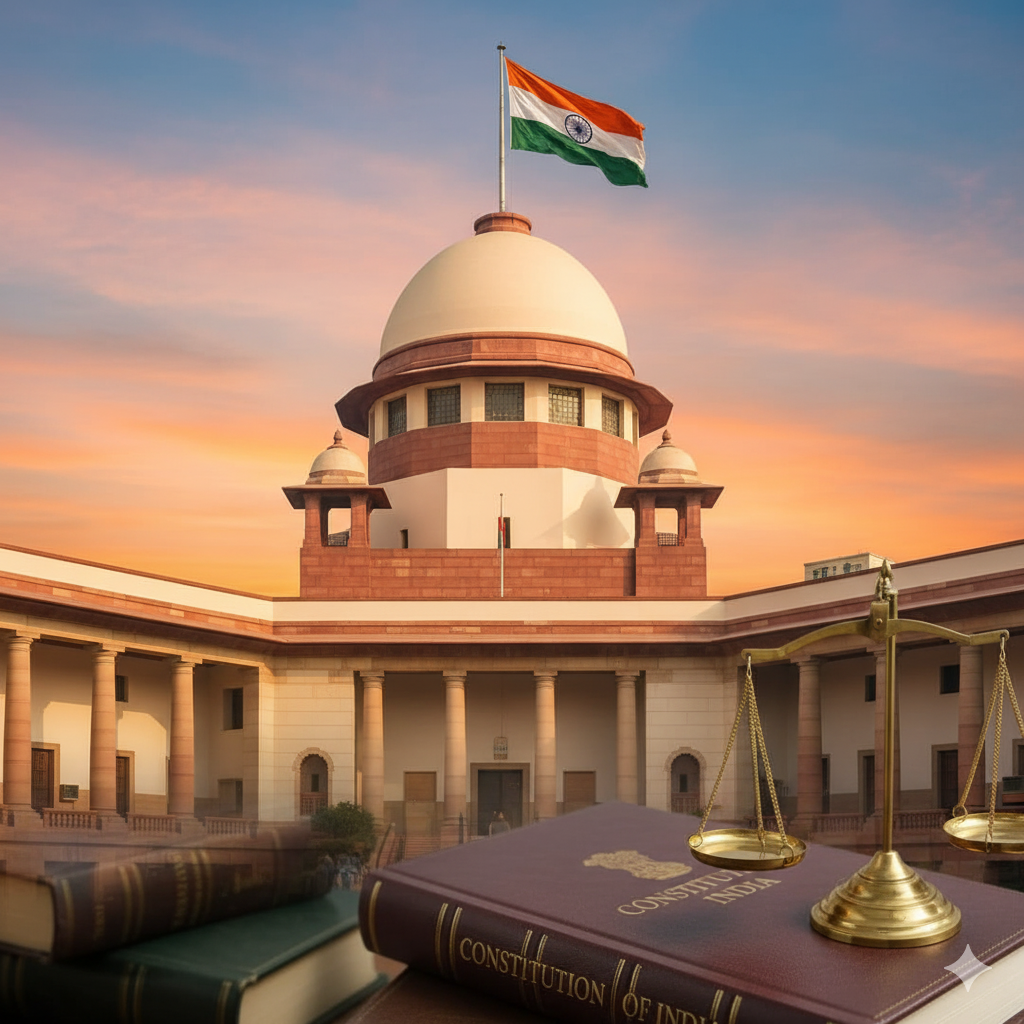
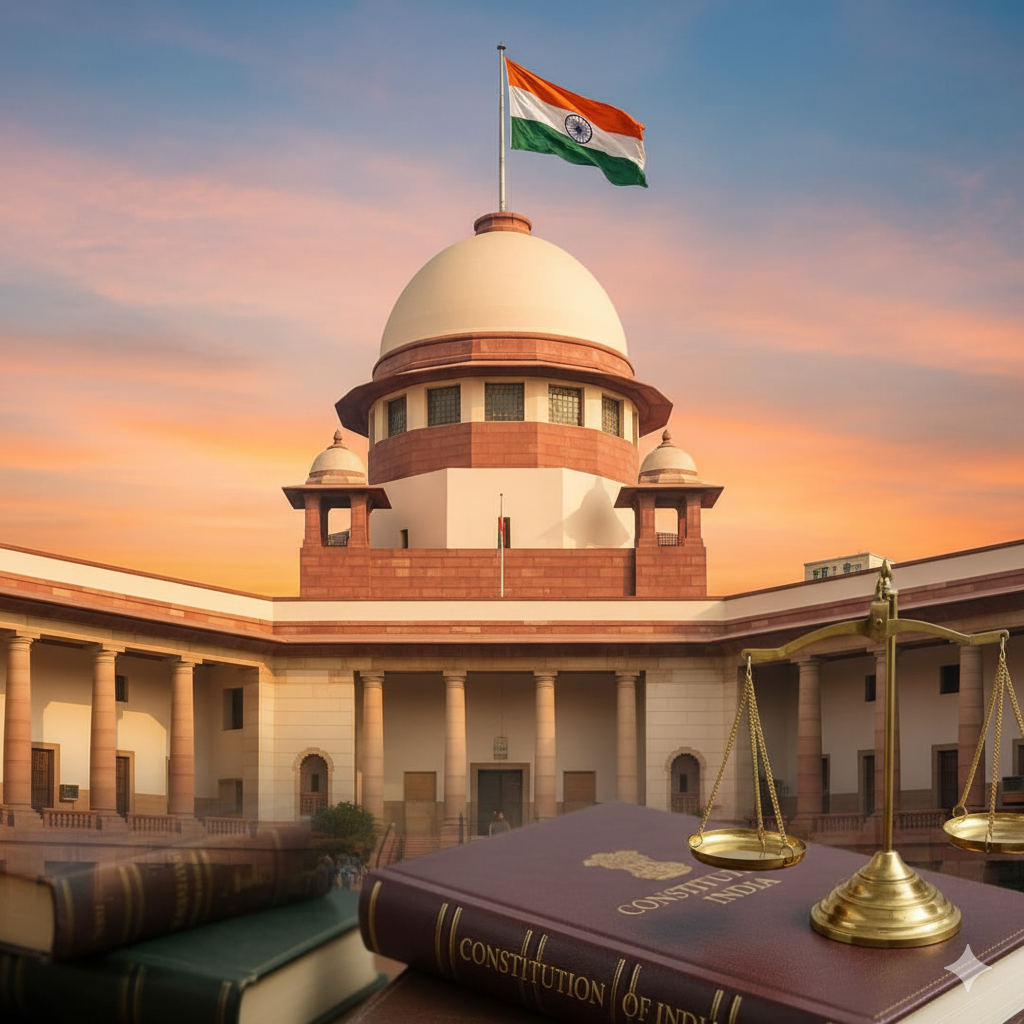
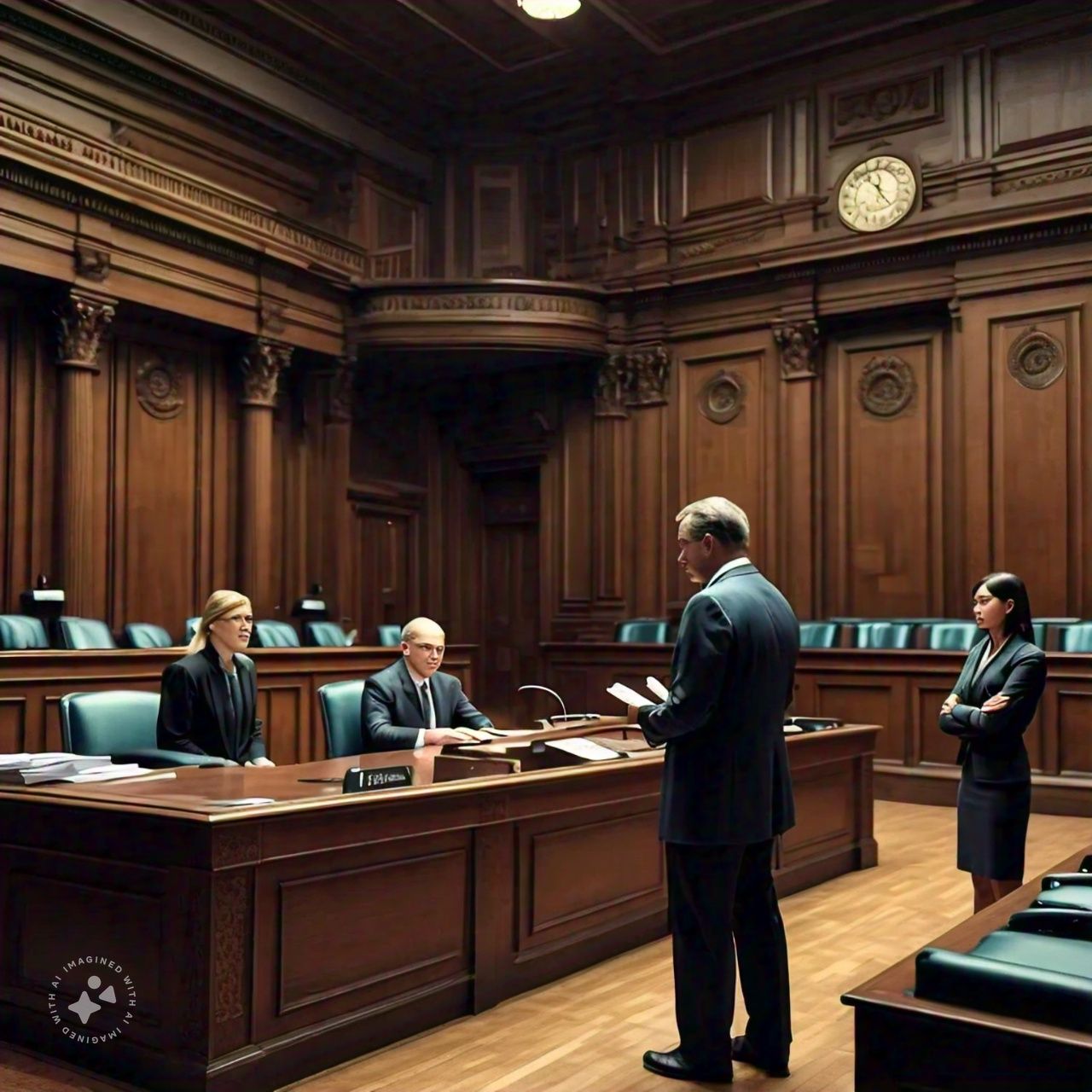
 Visual timeline of how custom turned into a constitutional dispute.
Arguments – Petitioners vs Respondents
Petitioners (Women & Supporters)
- Sabarimala is not a separate religious denomination. Ayyappa devotees are Hindus in general, so Article 26 protection for denominations does not apply.
- The temple is managed by the Travancore Devaswom Board, a public body. Therefore, fundamental rights can be enforced against it.
- A practice that openly excludes women only because of biological factors cannot be considered an essential religious practice.
- Hinduism, as a broad faith, does not command such gender-based exclusion. Women do participate in many other temples and rituals.
- Even if the custom is very old, if it clashes with the Constitution’s equality values, the custom must give way, not the Constitution.
- Regulation of entry for crowd control may be allowed, but a total ban on women of a particular age group is excessive and unconstitutional.
Respondents (Temple & State Side)
- Rule 3(b) is consistent with the 1965 Act and Articles 25 and 26. It respects special customs of temples like Sabarimala.
- The restriction has existed from ancient times. It is closely linked to the belief that Lord Ayyappa is a naisthik brahmachari.
- The 41-day vratham needed for the pilgrimage cannot be easily followed by women due to menstruation, so the restriction is practical and spiritual, not hostile.
- The practice is about spiritual discipline, not about treating women as impure or inferior. It preserves the unique nature of this particular deity.
- Religious matters, especially those based on faith and long-standing custom, should not be tested using abstract ideas of equality by secular courts.
- Devaprasnam (ritual consultation) showed that the deity does not approve the presence of young women, so courts must respect this sacred indication.
Supreme Court Judgment – Majority & Dissent
Majority View (4 Judges)
- Ayyappa devotees are not a separate religious denomination. They are part of the wider Hindu community. So Article 26 protection does not shield the custom.
- Sabarimala is a public place of worship managed by a statutory board. Fundamental rights, especially under Article 25(1), apply to women devotees as well.
- Article 25(1) protects the right of all persons to practise religion, not only men. Intra-faith equality is also important: women devotees within the faith cannot be treated as second-class.
- Morality in Article 25 means constitutional morality, not the morality of a particular custom or community. The Constitution’s values of dignity and equality are the guiding standards.
- The court did not find a clear scriptural basis or consistent historical practice showing that exclusion of women is essential to the religion. Therefore, it is not an essential religious practice.
- Rule 3(b) conflicts with Section 3 of the 1965 Act, which says that all Hindus can enter temples. It also violates Articles 14, 15 and 25, and is therefore unconstitutional and invalid.
Final Directions
- Women of all ages are allowed to enter and worship at Sabarimala temple.
- Rule 3(b) is struck down as ultra vires the parent Act and unconstitutional.
- Temple authorities and the State are bound to ensure that no woman is denied entry on the basis of the earlier custom.
Justice Indu Malhotra’s Dissent
- Matters of deep religious faith and sentiment should be left to the believers, not to courts. Judicial review should be limited in such cases.
- Ayyappa devotees, with their strict rules and distinctive worship, form a separate religious denomination. Their practices deserve protection under Article 26.
- The court should not test every religious practice on the standard of rationality. A practice may look irrational to outsiders but still be protected.
- The exclusion of women at Sabarimala is not a form of “untouchability”, so Article 17 does not apply.
- Rule 3(b) is valid because the proviso to Section 3 of the 1965 Act allows religious denominations to manage their own affairs.
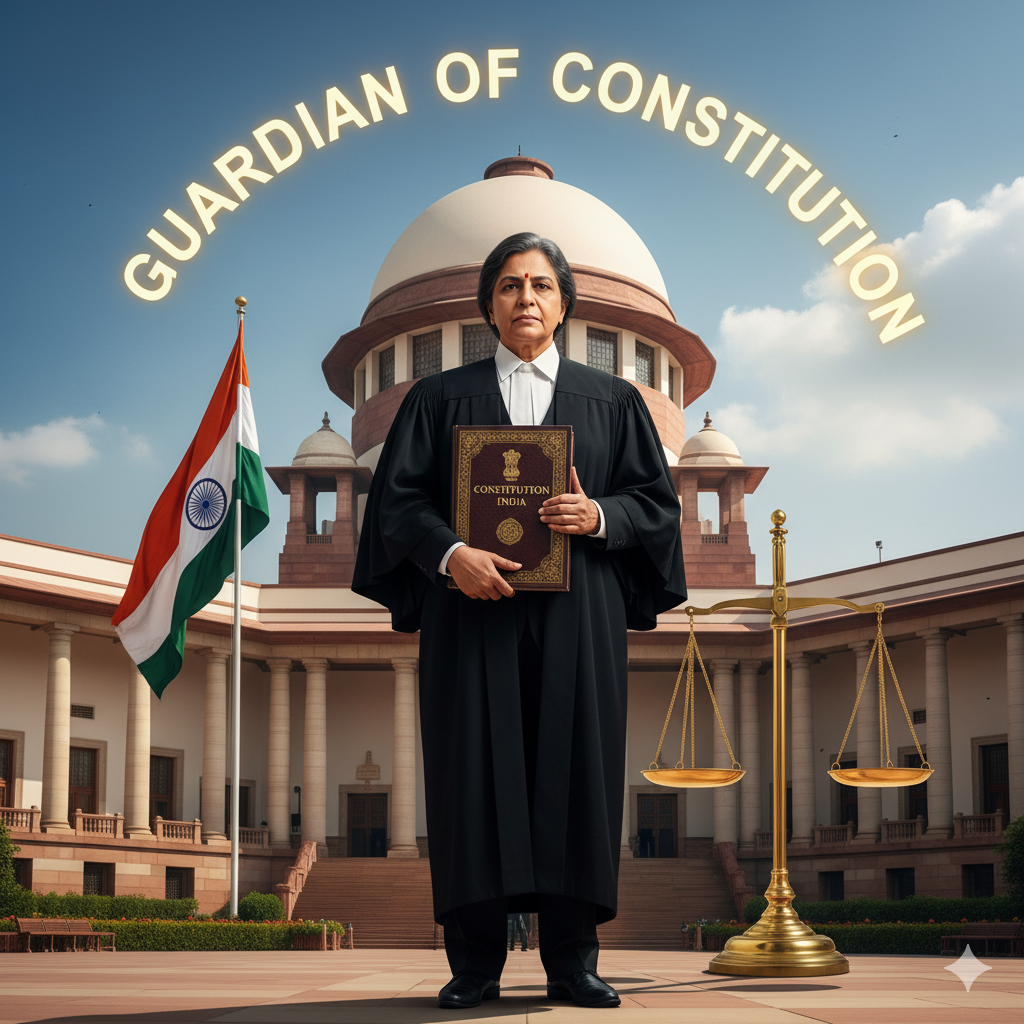
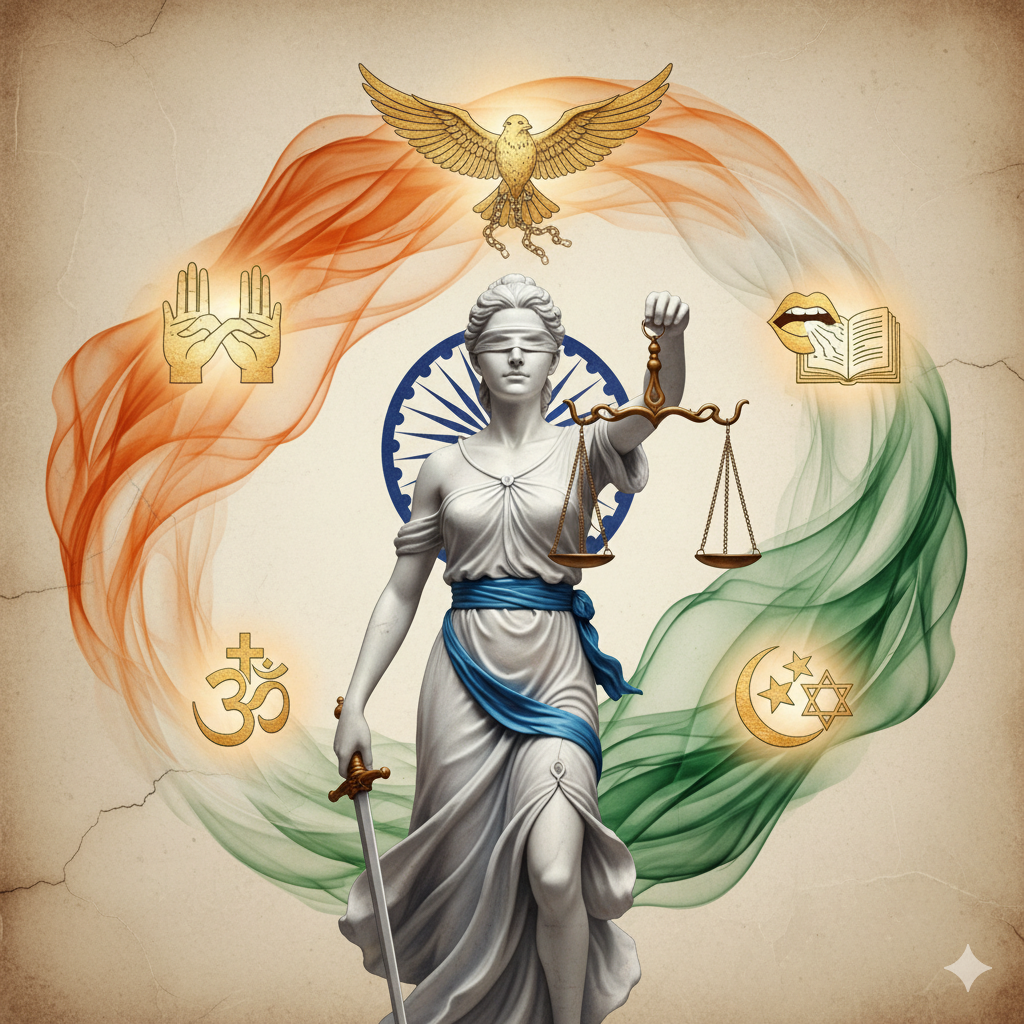
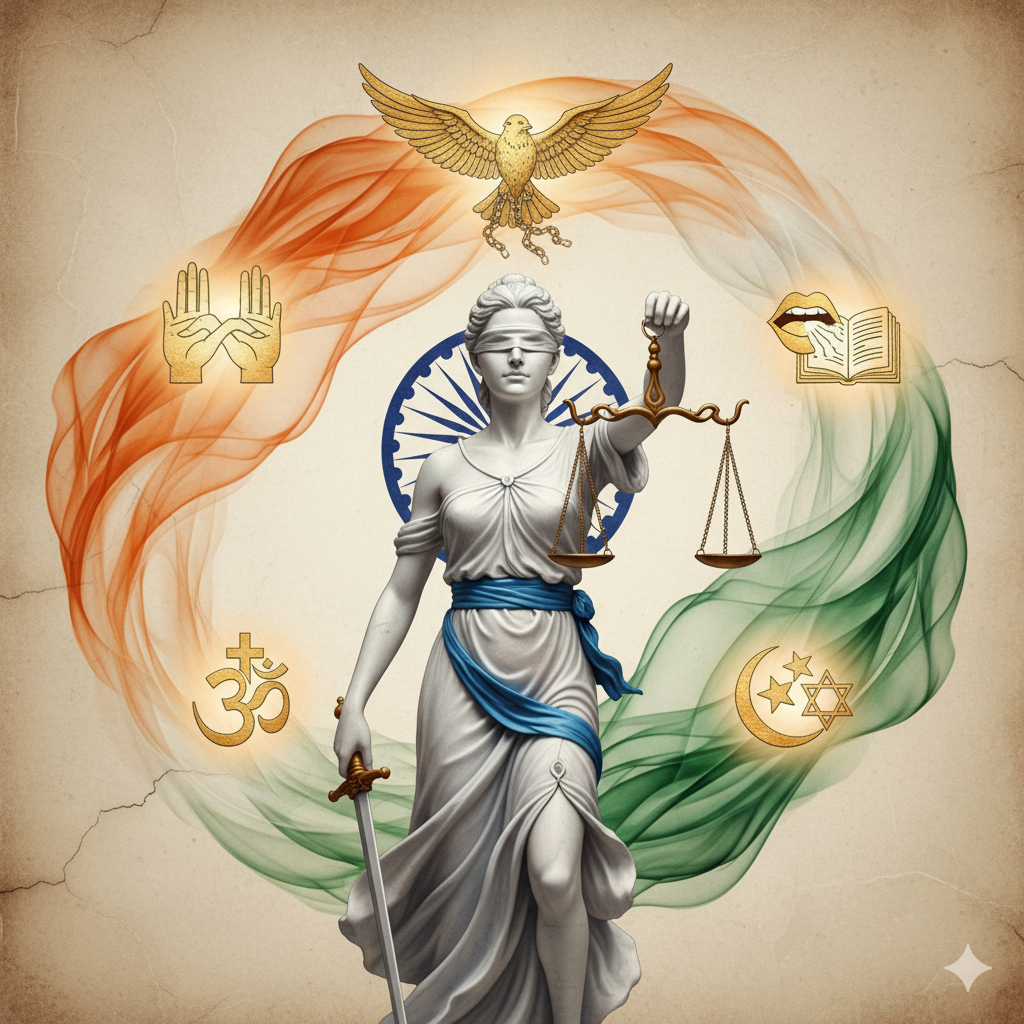
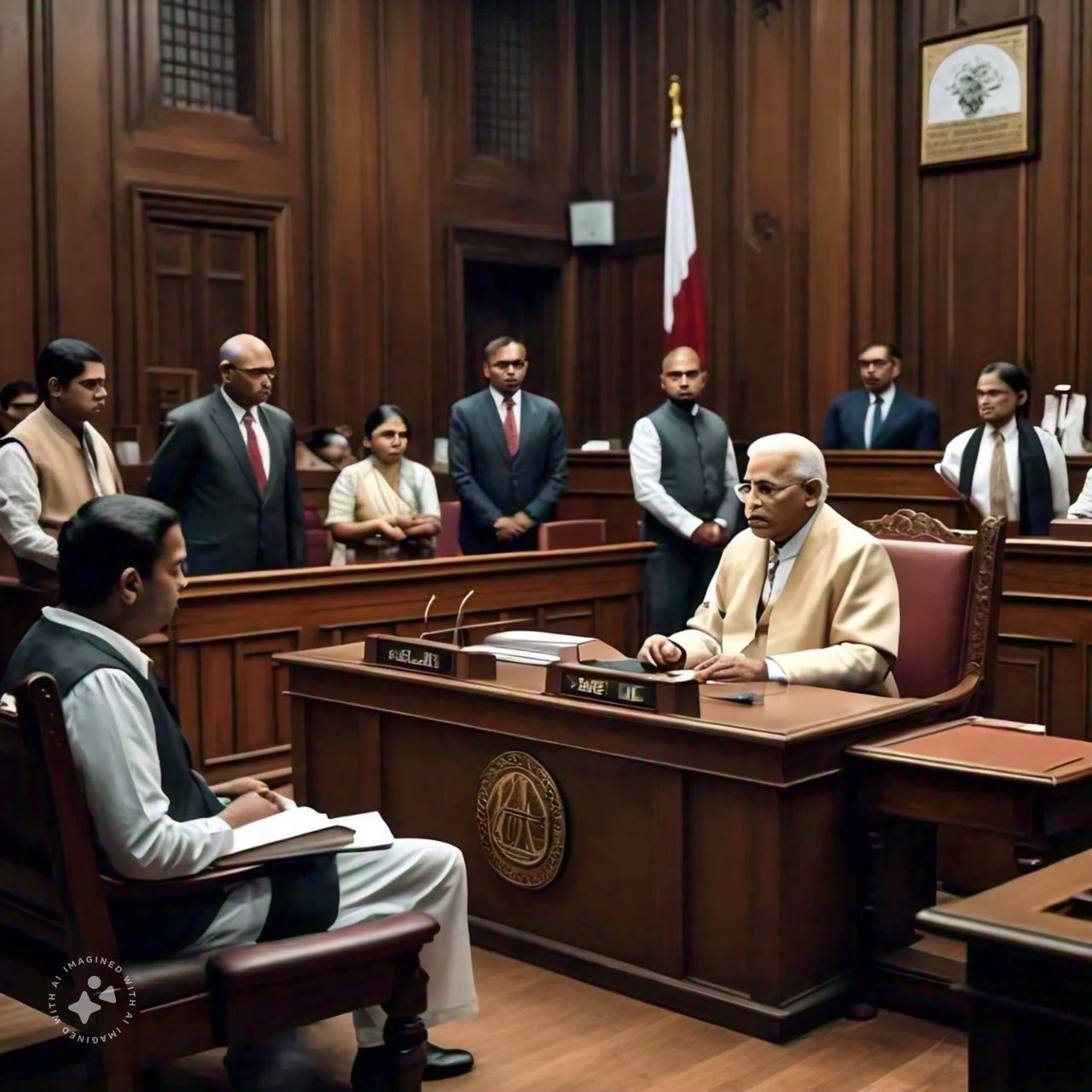
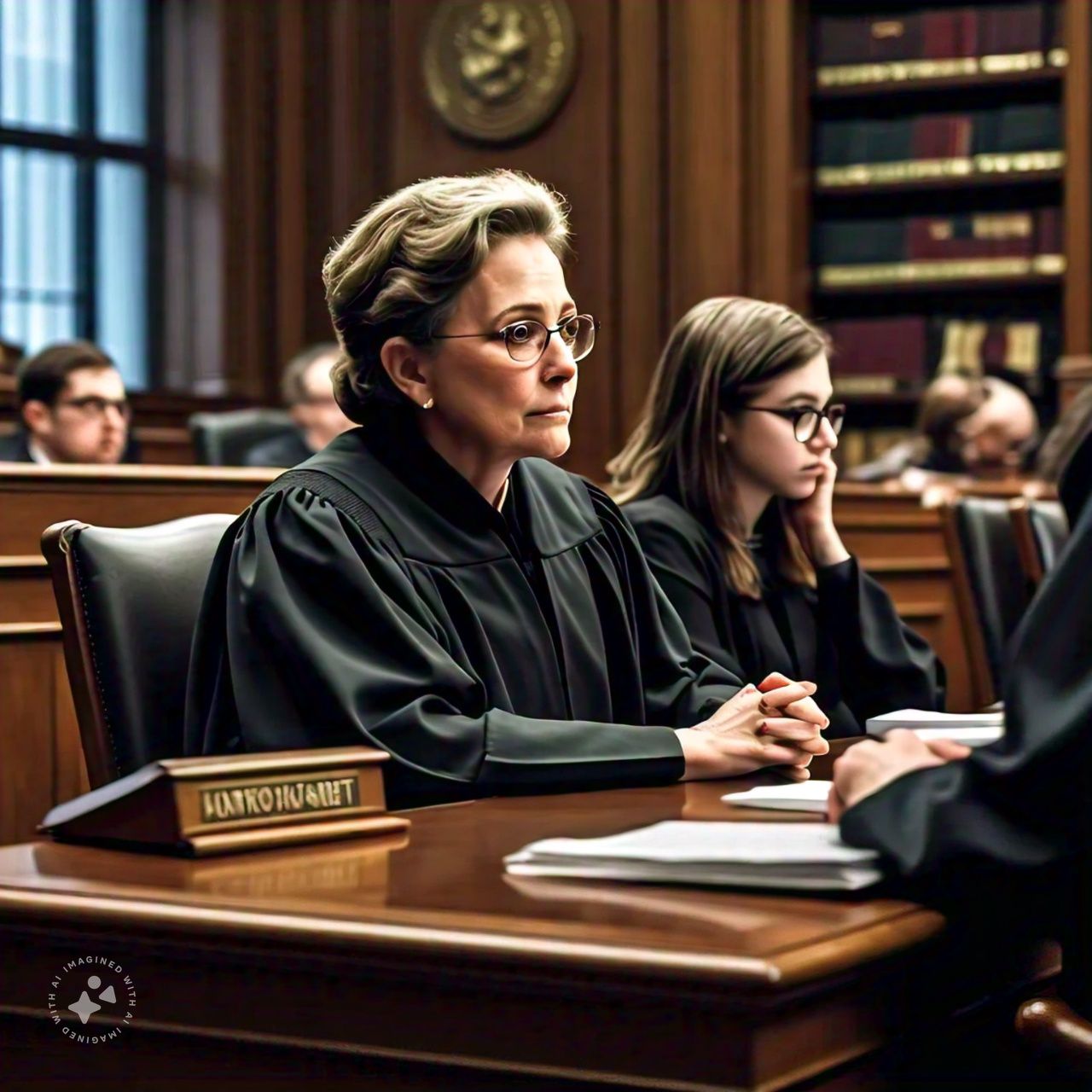
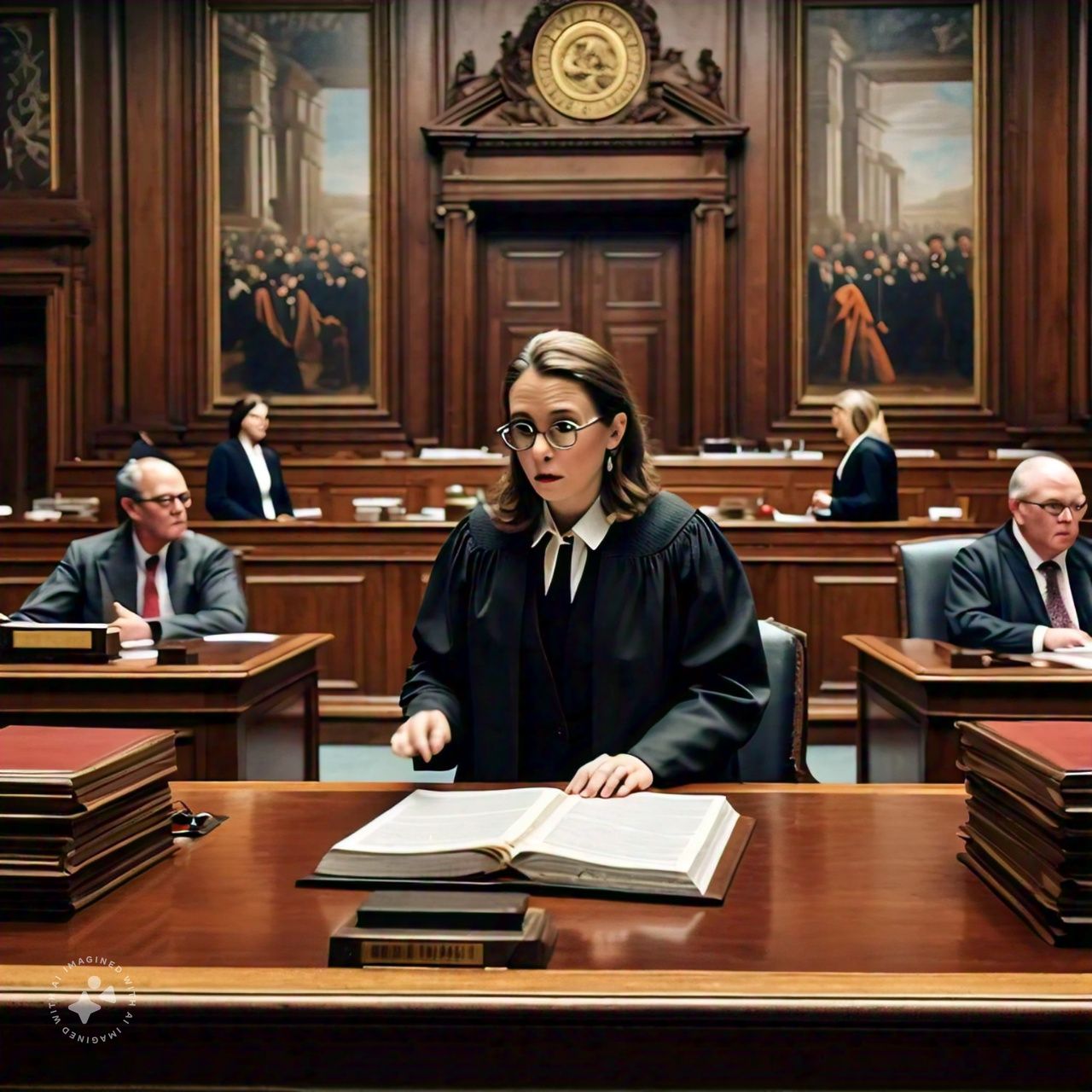
 Judgment turned the courtroom into a key site for the faith vs equality debate.
Ratio Decidendi – Core Legal Reasoning
- Constitutional morality over social morality: When a custom clashes with fundamental rights, constitutional morality must win. Practices that deny dignity and equality to women cannot survive.
- Intra-faith equality: Within a religion, all believers must have equal access to public religious spaces. Women devotees cannot be pushed outside the circle of worship.
- Non-essential practices not protected: Only those practices which are essential and integral to a religion get protection under Article 25. Excluding women from Sabarimala is not essential.
- No separate denomination: Ayyappa devotees do not fulfil the tests of a separate religious denomination (distinct name, common faith, separate organisation). So Article 26 is not attracted.
- Statute cannot authorise discrimination: Rule 3(b) directly contradicts Section 3 of the 1965 Act and fundamental rights. A rule that blocks women from a public temple is ultra vires and void.
Why This Case Matters
The Sabarimala case is not only about one temple. It speaks to a bigger question: how far can religion limit the rights of women in a constitutional democracy? The judgment clearly says that women are equal worshippers, not visitors on terms decided by others.
For law students, this case is a perfect example of the tension between fundamental rights and religious freedom. It helps you revise ideas such as essential religious practices, constitutional morality, intra-faith equality and the reach of judicial review into matters of faith.
In exams and in real-life debates, you can use this case to discuss women’s entry to religious spaces, gender justice and the future of reform within religions.
Video Explainer (YouTube)
Key Takeaways for Students
- Sabarimala is a leading precedent on women’s right to worship and the reach of equality inside religious spaces.
- The case shows how the Supreme Court uses the doctrine of constitutional morality to test old customs.
- The majority limits the essential religious practice doctrine by requiring strong proof before accepting any exclusionary custom.
- The dissent reminds us that there is always a counter-view about how far courts should interfere with religious practices.
- For exam answers, this case nicely connects Articles 14, 15, 17, 25 and 26 with statutory interpretation of the Kerala Act and Rules.
Mnemonic + 3-Step Memory Hook
Mnemonic: “Ayyappa’s STEP”
S T E P helps you recall the core ideas:
- S – State temple, not private sect (no separate denomination)
- T – Temple entry for all women ensured (Rule 3(b) struck down)
- E – Equality and constitutional morality over custom
- P – Practice not essential to religion (no scriptural backing)
3-Step Hook Story
- Imagine a big hill temple gate with a bright “STOP” board only for women aged 10–50. This picture fixes the facts of exclusion in your mind.
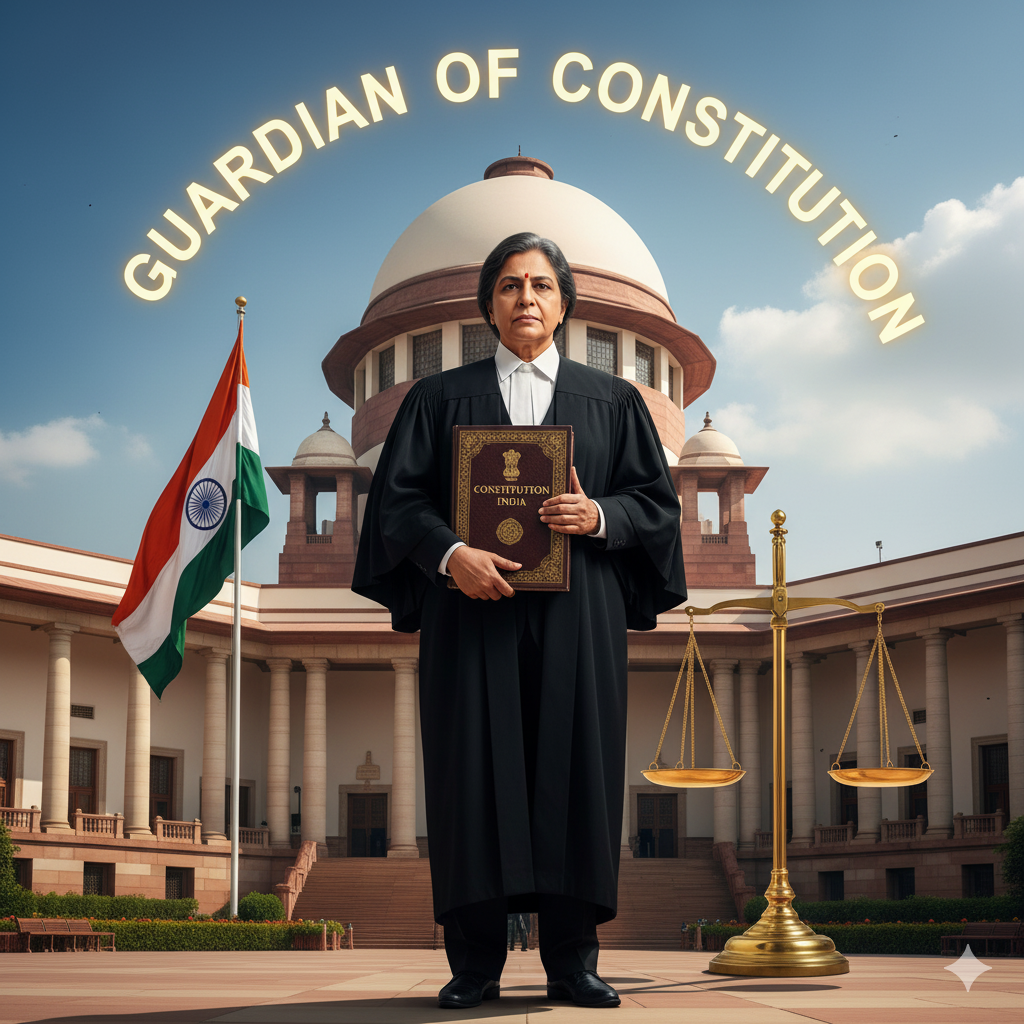
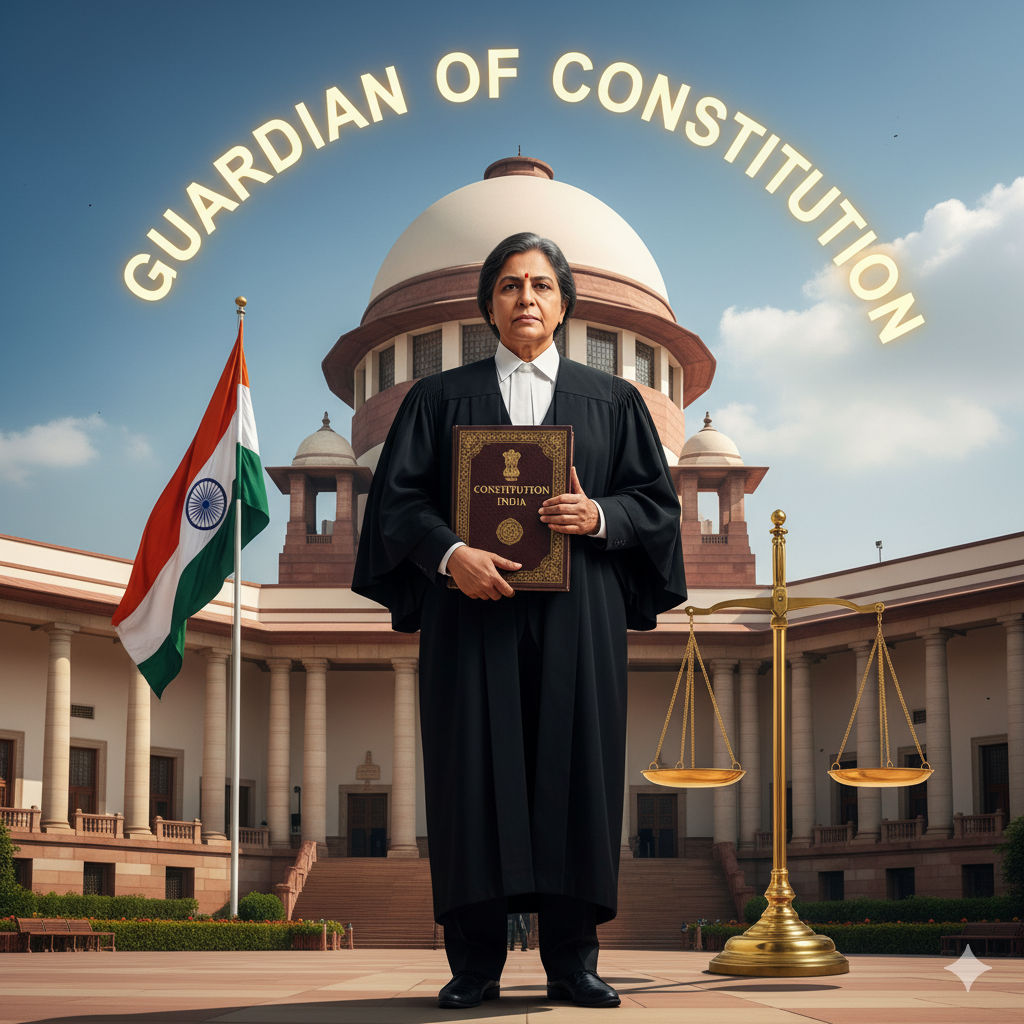
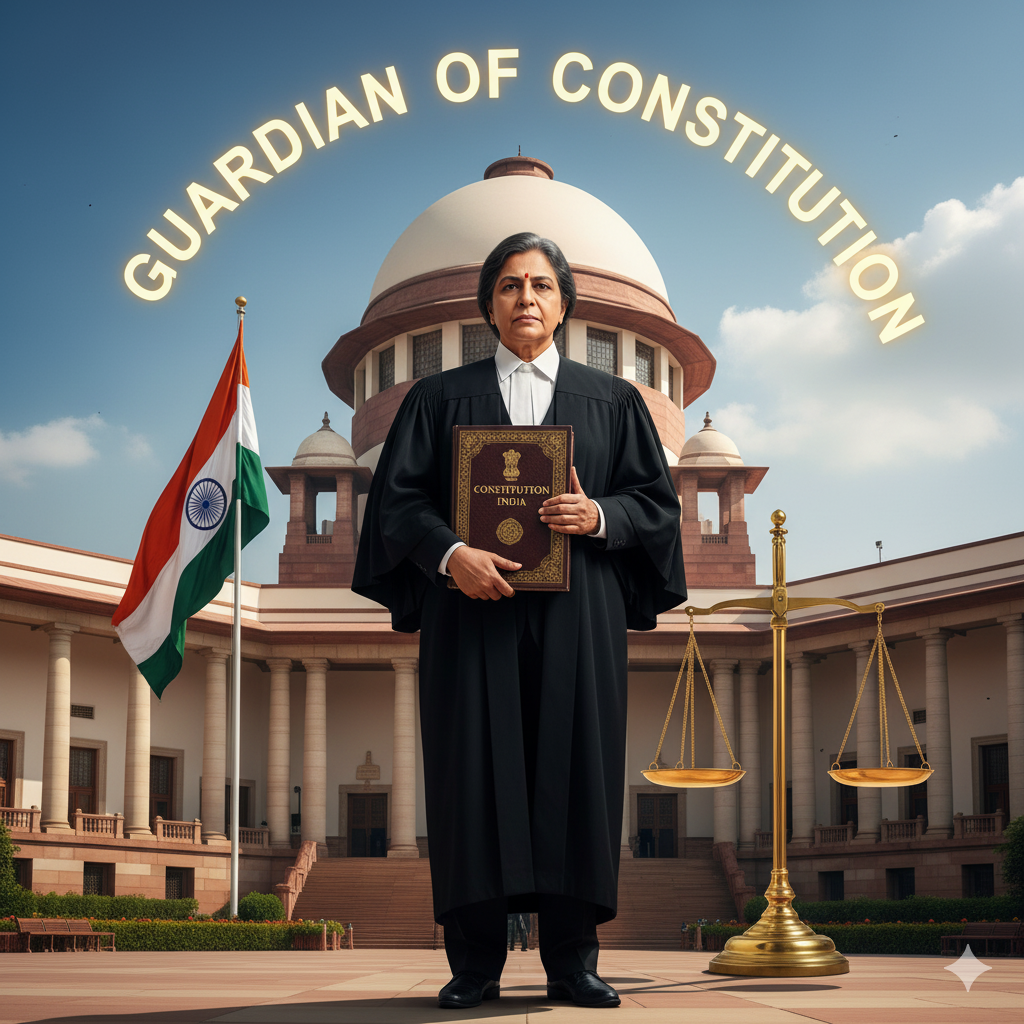
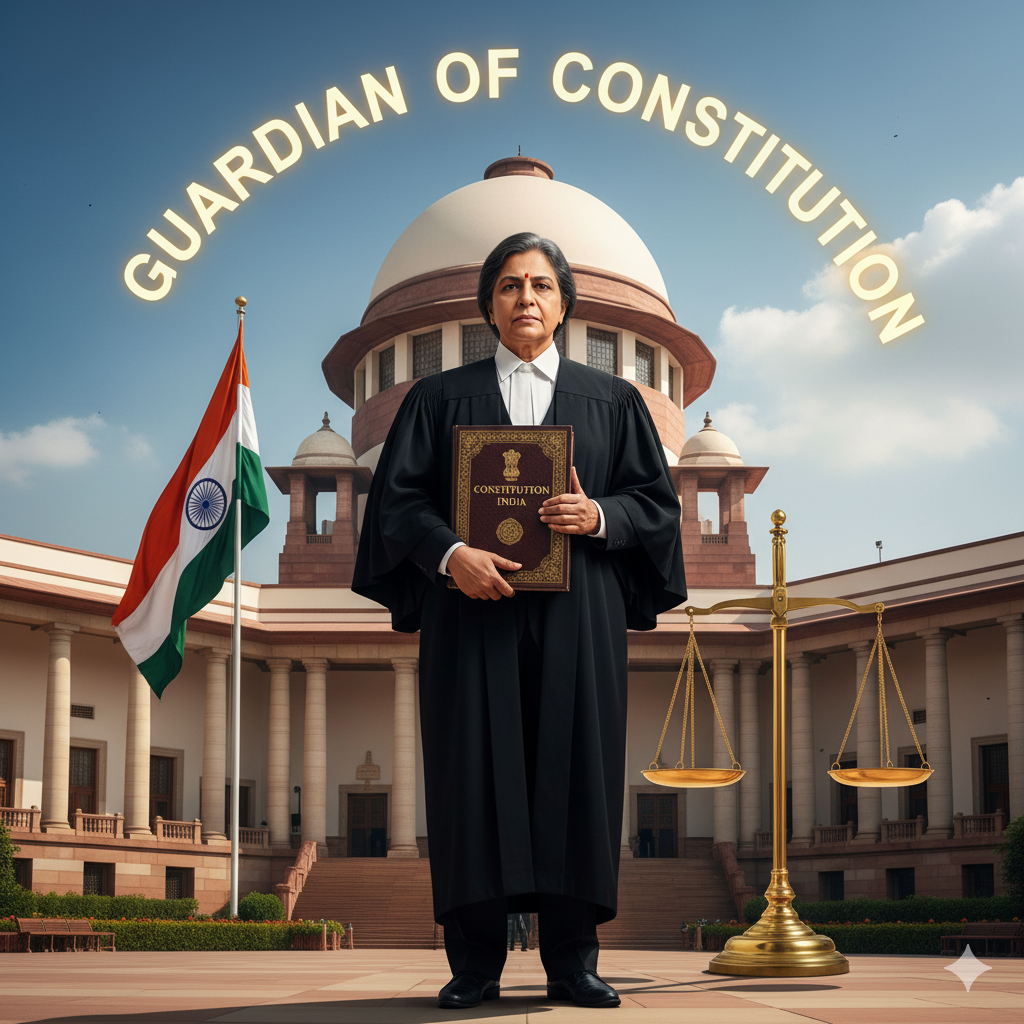
- Now imagine the Constitution standing at the gate as a guard, gently tearing the “STOP” board and putting up a new board: “Equal entry for all Hindus”. This shows the judgment.
- Finally, see two benches inside the court: one glowing bench of four judges saying “constitutional morality first”, and one bench of a single judge quietly saying “respect faith”. This fixes the majority and dissent.
IRAC Outline – Sabarimala Temple Case
I – Issue
Whether the custom and Rule 3(b) that bar women between 10 and 50 years from entering Sabarimala temple violate fundamental rights to equality and freedom of religion, and whether such practice is protected as an essential religious practice of a religious denomination.
R – Rule
Articles 14, 15, 17, 25 and 26 of the Constitution; Section 3 of the Kerala Hindu Places of Public Worship Act, 1965; Rule 3(b) of the 1965 Rules; tests of essential religious practice; tests for religious denomination; and the principle of constitutional morality.
A – Application
The Court applied equality and dignity standards to examine the exclusion of women. It held that Ayyappa devotees do not qualify as a separate denomination and that the exclusion of women is not essential to the religion. Rule 3(b) was seen as conflicting with the parent Act and fundamental rights, so it could not survive.
C – Conclusion
The Supreme Court (4:1) held that the ban on women of menstruating age is unconstitutional, struck down Rule 3(b), and opened Sabarimala temple to women of all ages. The dissent stressed non-interference with matters of faith and upheld the custom.
Glossary – Exam-Friendly Terms
- Naisthik Brahmachari
- A person who has taken a lifelong vow of celibacy. Lord Ayyappa at Sabarimala is worshipped in this form.
- Essential Religious Practice
- A practice which is core and integral to a religion. If removed, the religion would lose its basic character. Only such practices are fully protected under Article 25.
- Religious Denomination
- A group within a religion having a separate name, common faith and common organisation. Such a group gets special protection under Article 26.
- Constitutional Morality
- Loyalty to the values of the Constitution, such as liberty, equality and dignity, even if social or religious customs say something different.
- Ultra Vires
- A legal act or rule that goes beyond the powers given by the parent law. Such a rule can be struck down by the court.
FAQs – Student Doubts Cleared






















































Popular & Recent Post

































Comment
Nothing for now