

Public Interest Foundation v. Union of India (2018)
A simple, classroom-style explainer of how the Supreme Court of India dealt with the problem of criminalization of politics, voter’s right to know and the limits of judicial power.
Quick Summary
This case is about the rising problem of criminalization of politics in India. Many Members of Parliament (MPs) and Members of Legislative Assemblies (MLAs) have serious criminal cases like murder, rape or corruption pending against them, yet they still contest elections and sometimes win.
Public Interest Foundation and others filed a petition asking the Supreme Court to stop such candidates from contesting elections once a court has framed charges against them in serious offences. They also asked that such candidates should not be allowed to get a political party’s symbol.
The key question was: Can the Supreme Court itself add new disqualifications for candidates beyond those written in Article 102 of the Constitution? The Court said no. Only Parliament can make such a law. However, the Court used its power to protect the voter’s right to know and passed strong directions on disclosure of criminal cases.
Issues Before the Court
- Issue 1: Can the Supreme Court, by using its powers, create new grounds of disqualification for MPs and MLAs apart from those already given in Article 102 of the Constitution?
- Issue 2: Can a candidate against whom serious criminal charges have been framed be denied a political party’s symbol?
- Issue 3 (underlying): How far can the judiciary go without crossing into the law-making function of Parliament, keeping in mind separation of powers?
Rules and Legal Provisions
- Article 102(1): Lists situations where a person is disqualified from being an MP. Examples include holding an office of profit, being of unsound mind or being an undischarged insolvent.
- Article 102(1)(e): Says that a person can be disqualified if Parliament makes a law providing for such disqualifications. This makes Parliament the main law-maker for new disqualification rules.
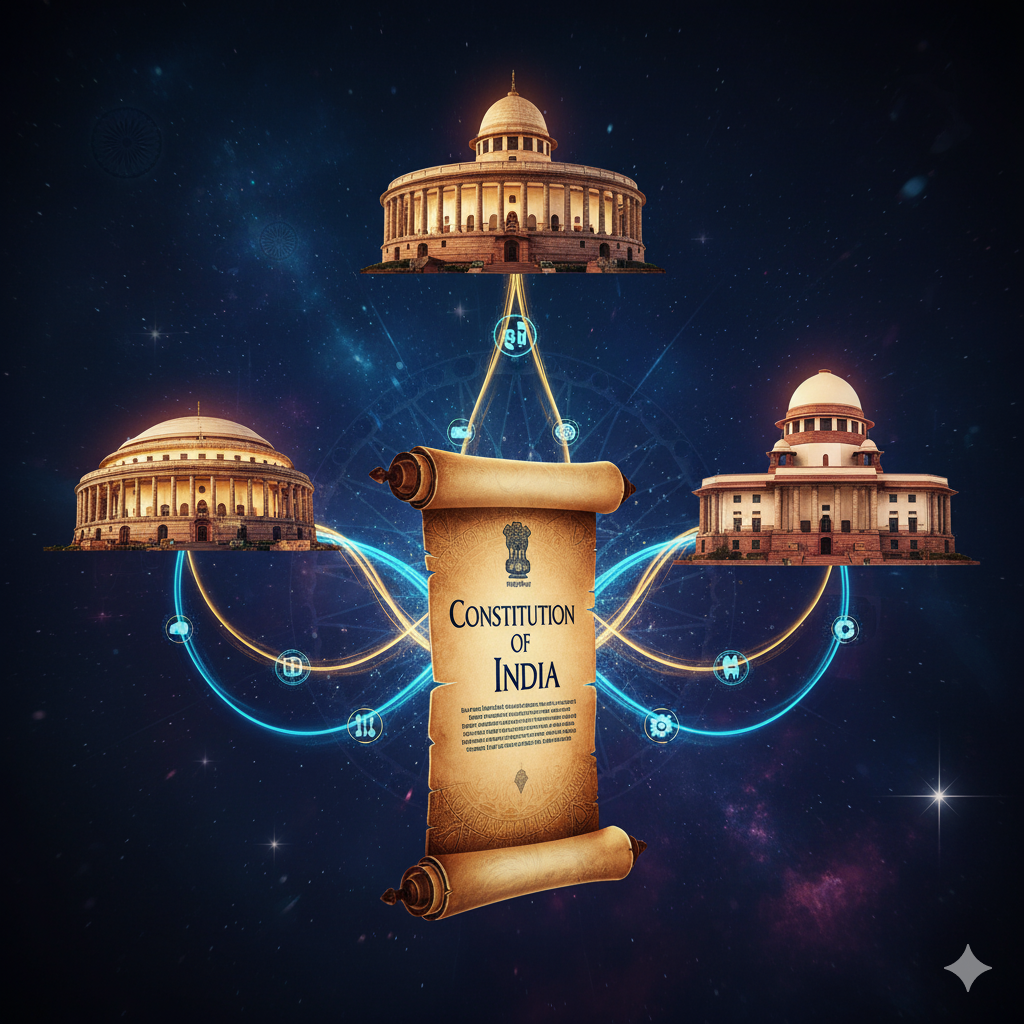
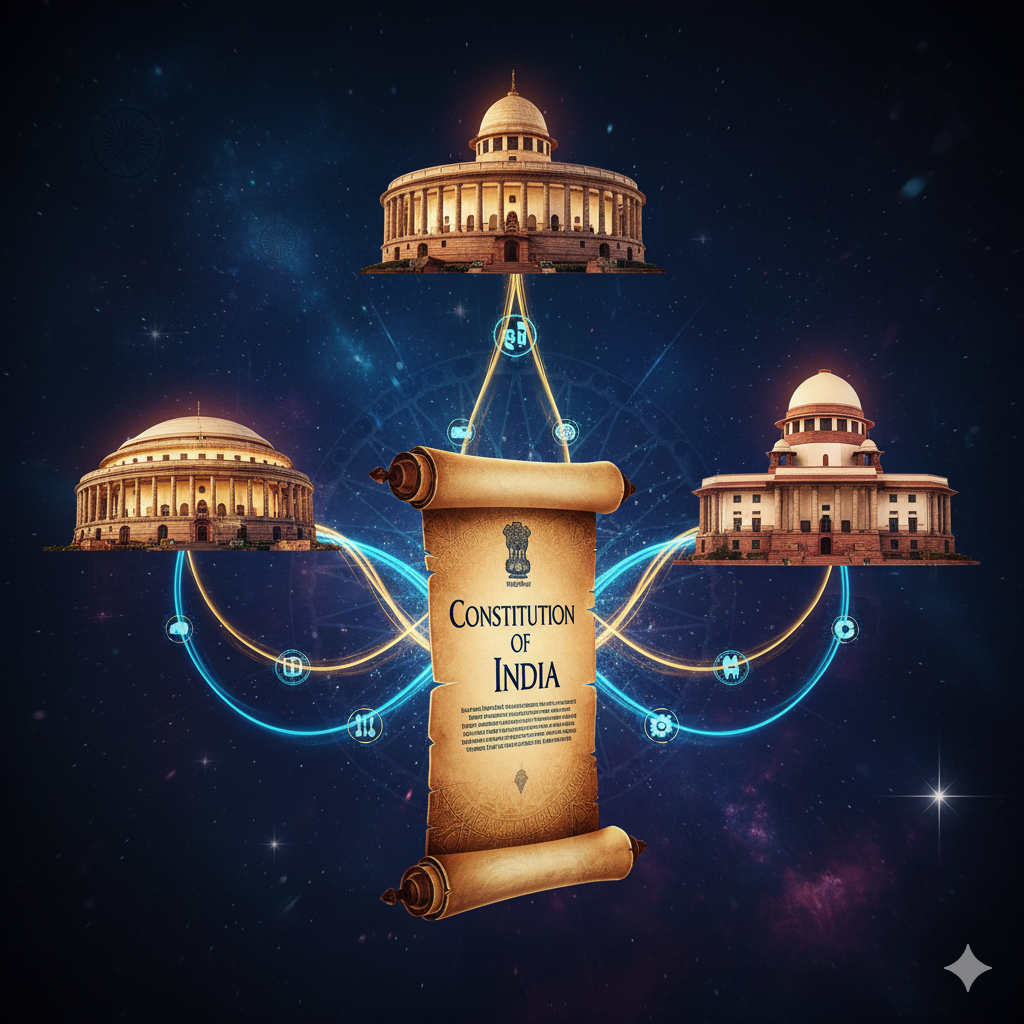
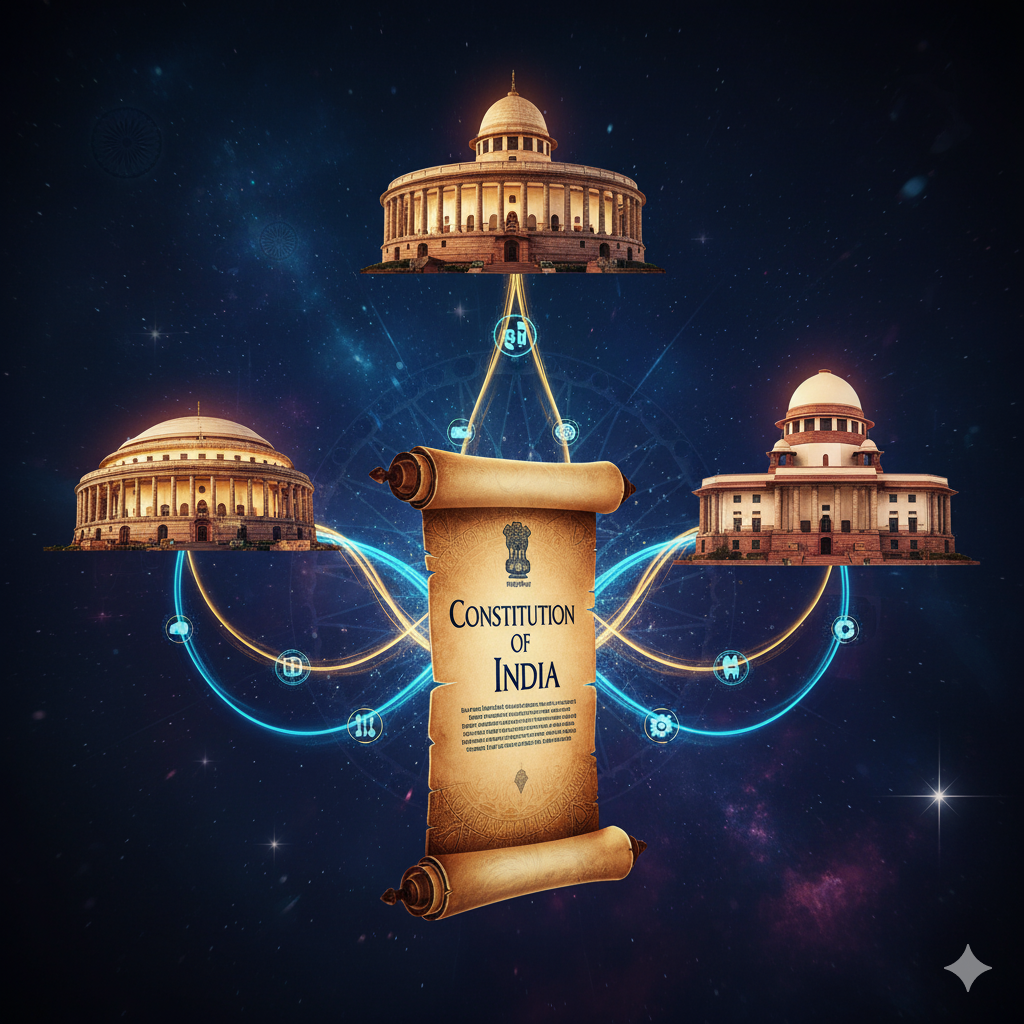
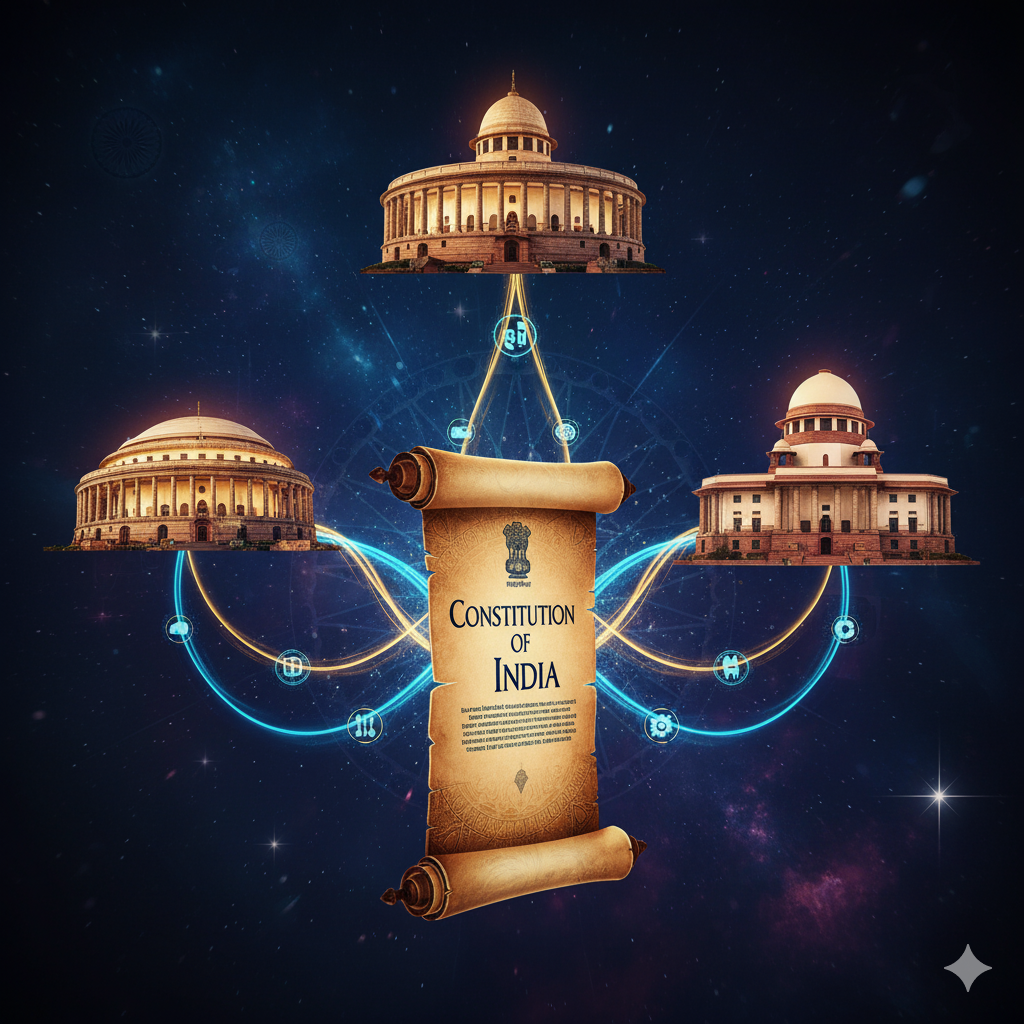
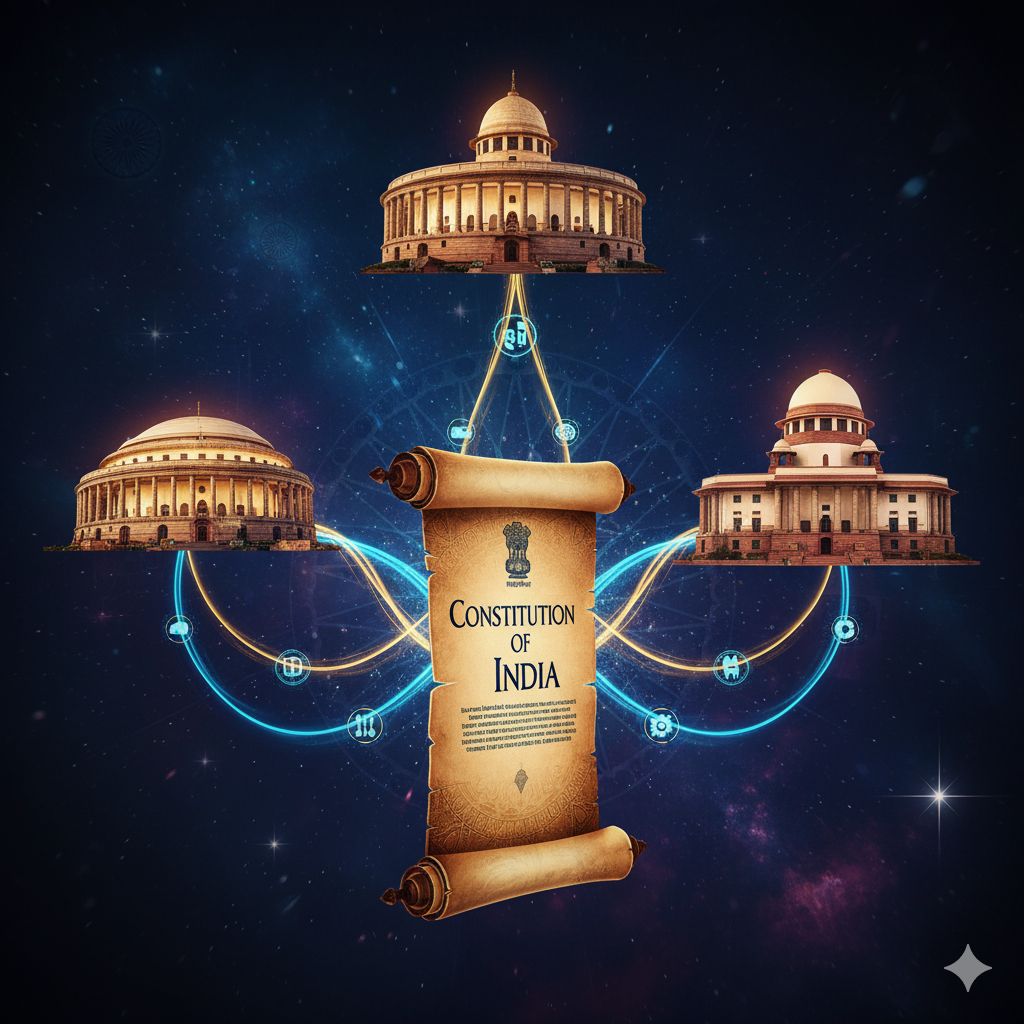
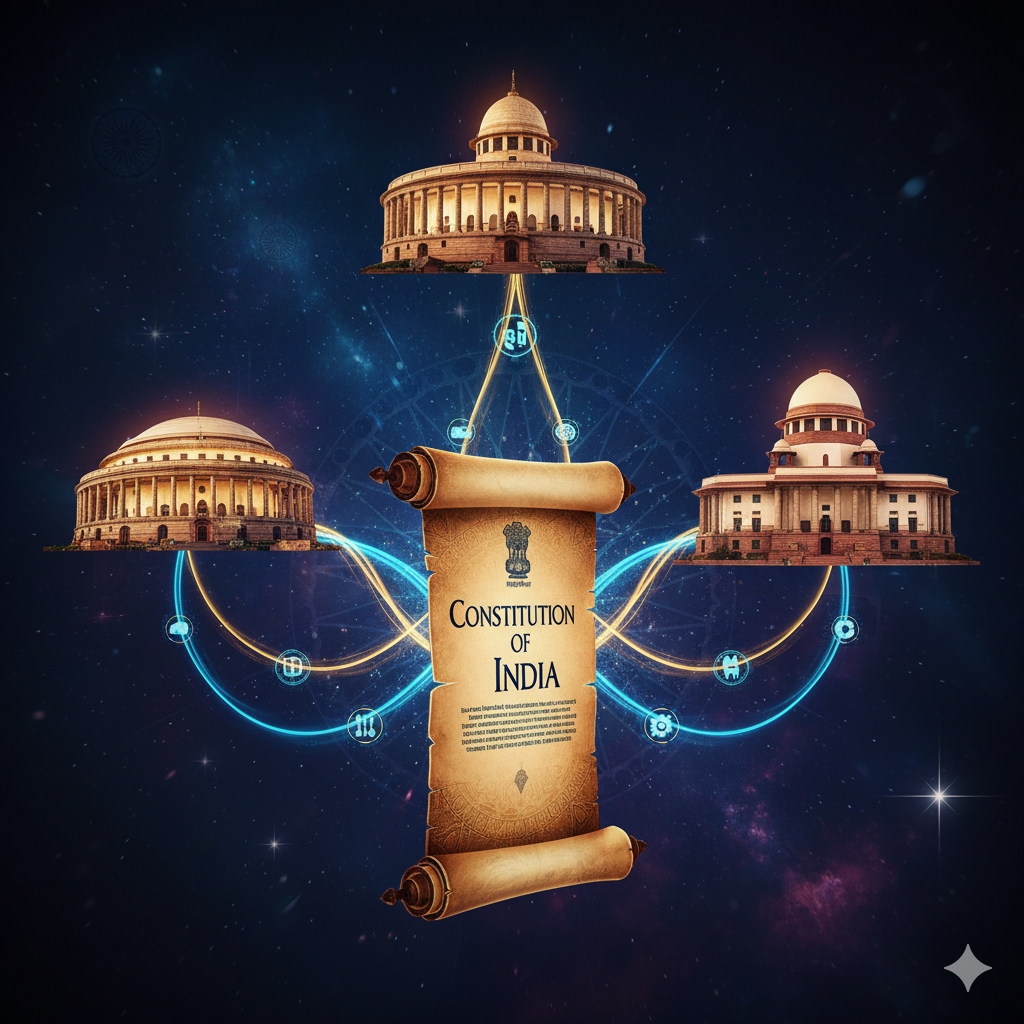
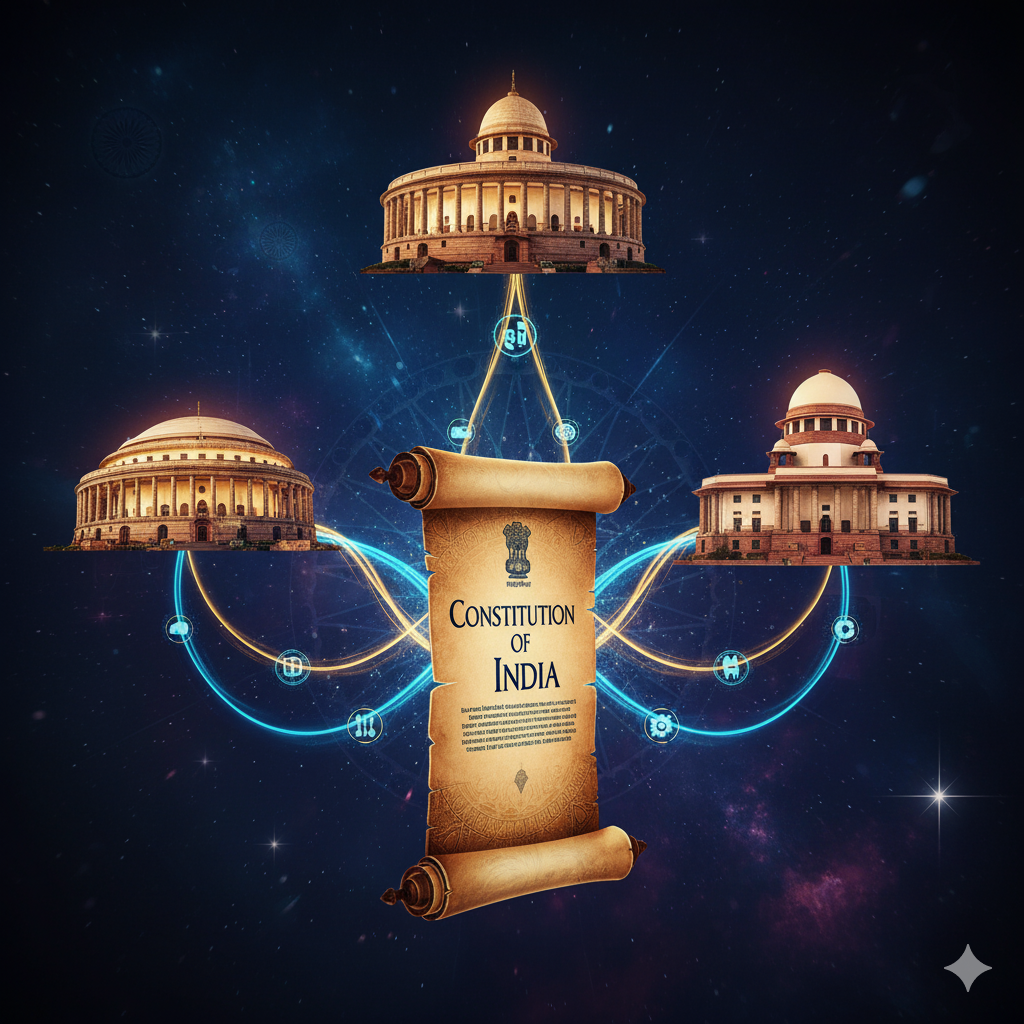
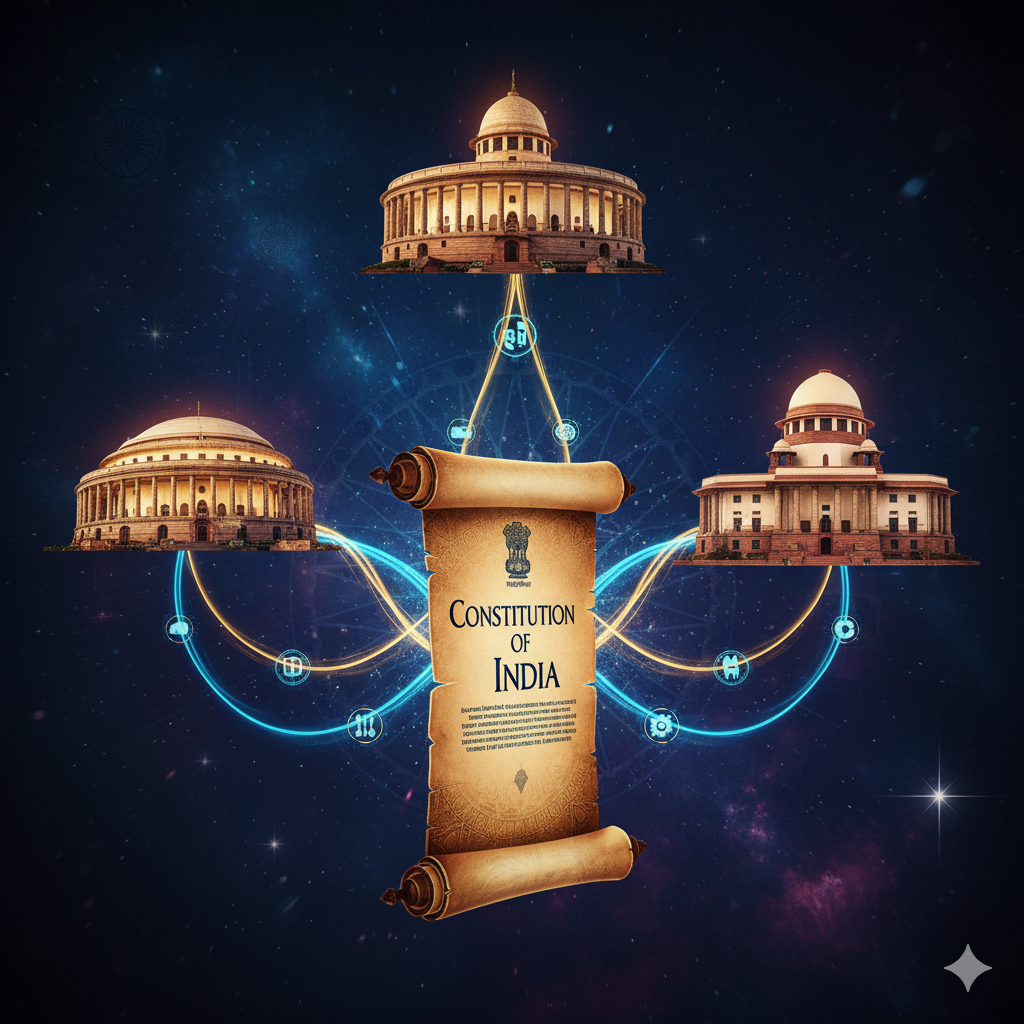
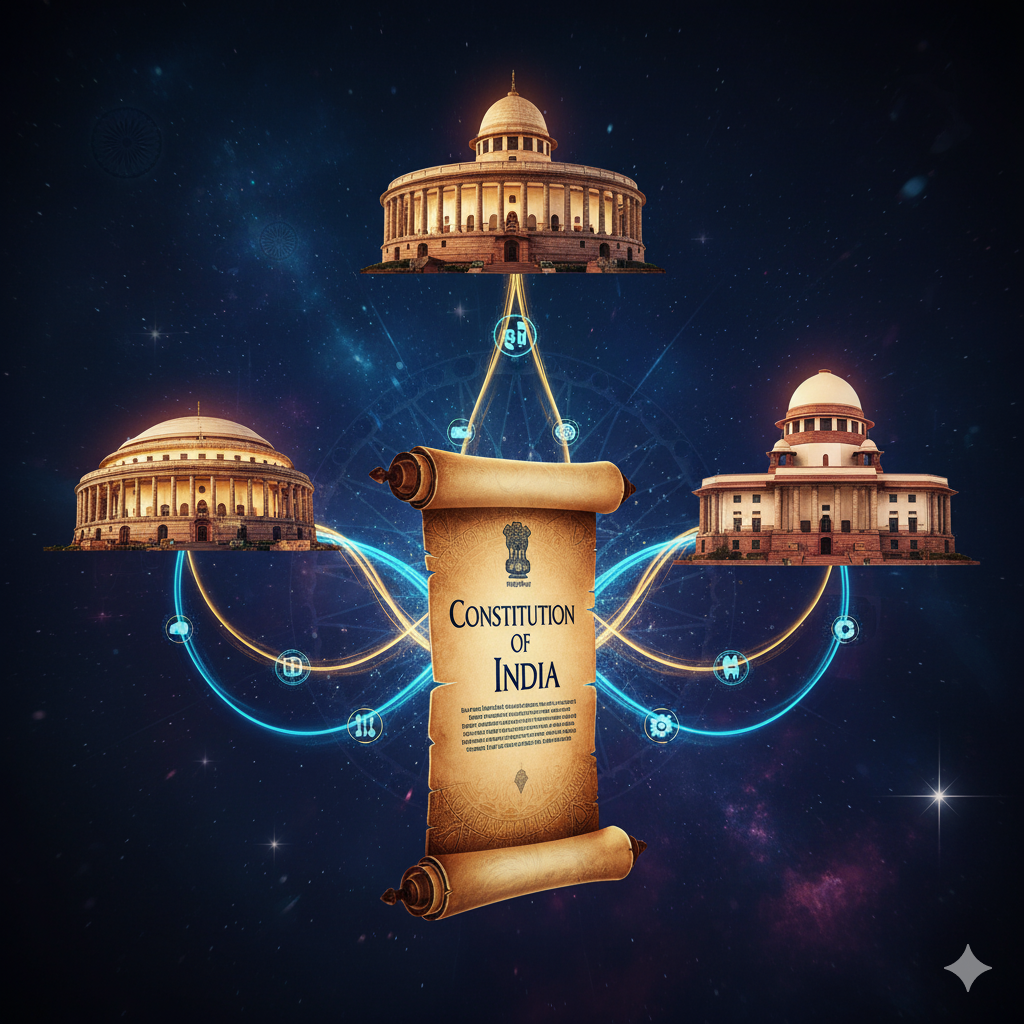
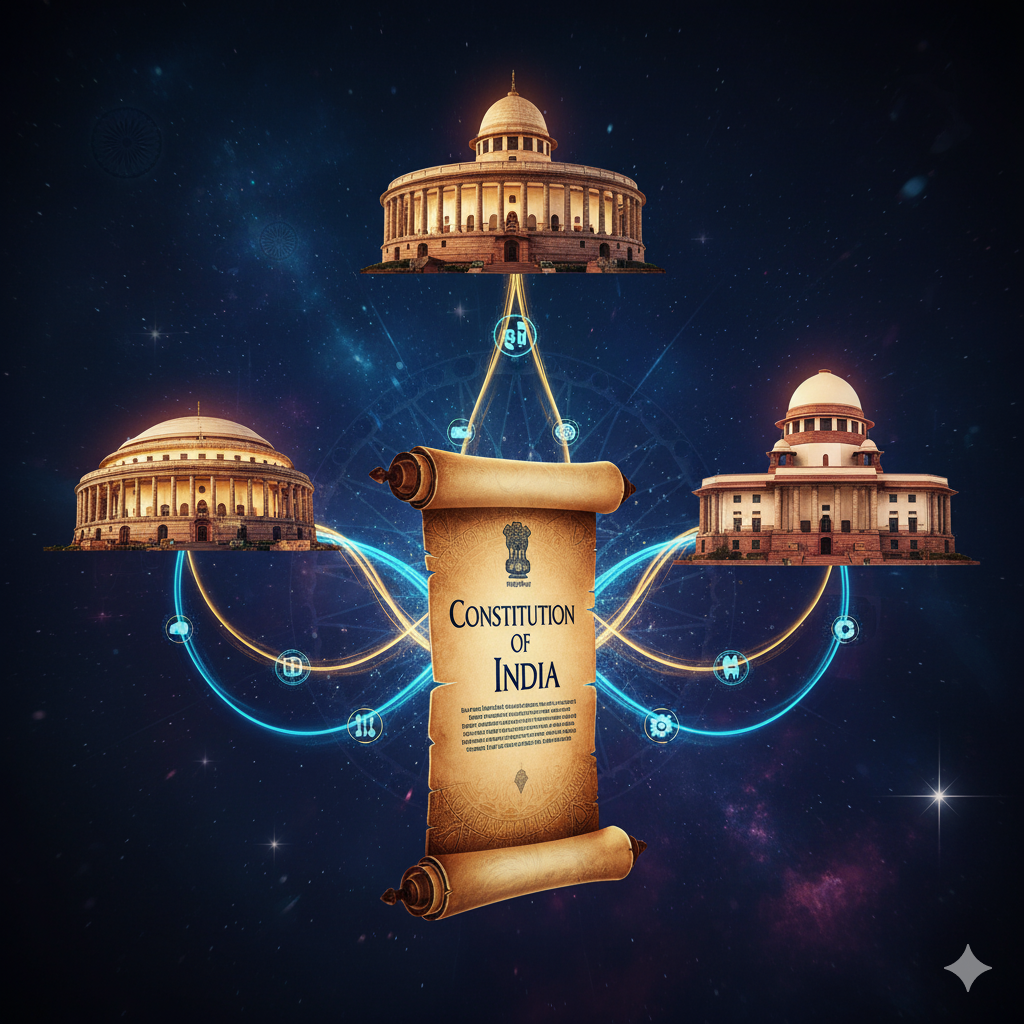
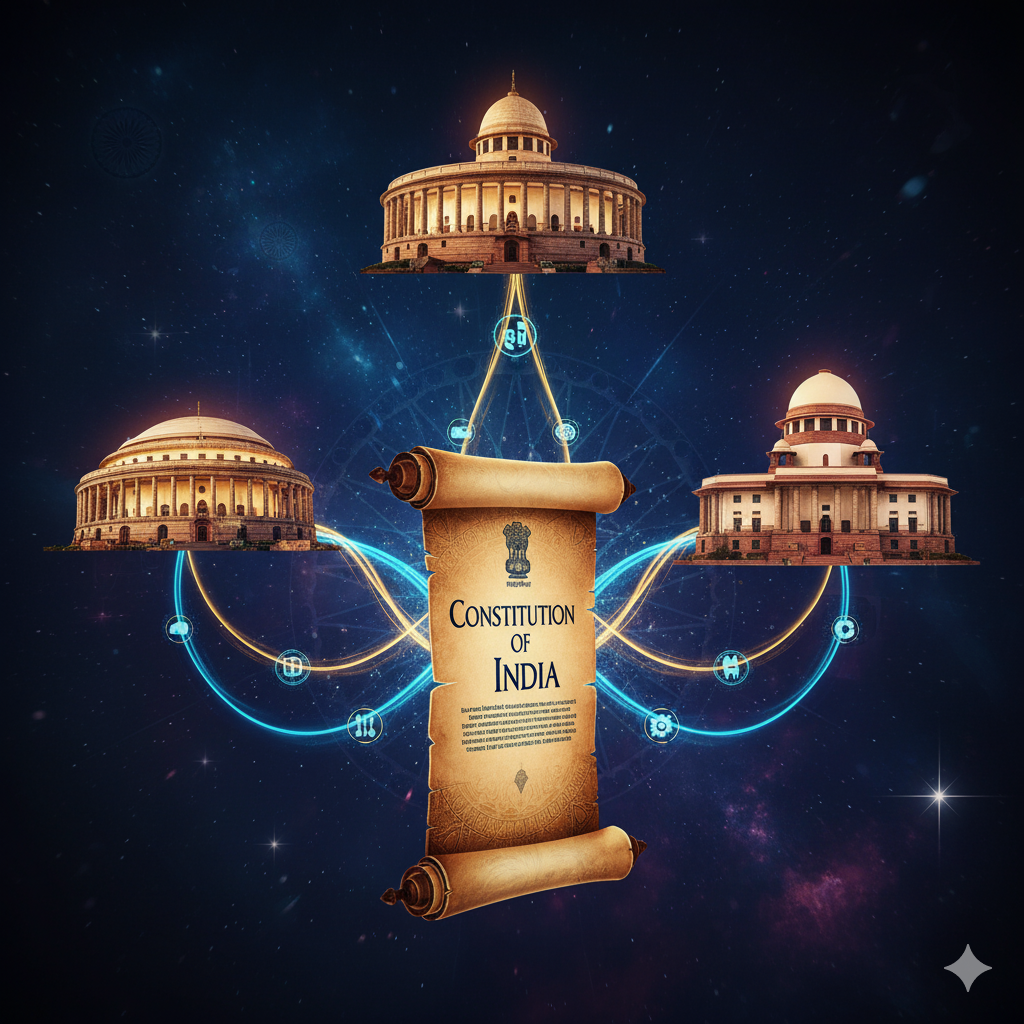
- Separation of Powers: The Constitution divides functions between the legislature, the executive and the judiciary. Courts must interpret and apply law; they cannot start acting like a legislature.
- Voter’s Right to Know: Based on earlier decisions, the Court treated information about a candidate’s criminal background as part of the voter’s fundamental right to make an informed choice.
In short, the legal framework already allowed disqualification but placed the primary duty on Parliament, not directly on the Court.
Facts in Timeline Style

Growing concern: criminalization of politics
Civil society groups and researchers highlighted that many elected representatives had serious criminal cases pending against them, including violent and corruption offences, yet there was no clear legal bar at the charge-framing stage.
Public Interest Foundation files a PIL
Public Interest Foundation and others approached the Supreme Court through a public interest litigation asking the Court to step in and prevent persons with heinous criminal charges from contesting elections.
Reference to a Constitution Bench
A three-judge bench felt that the matter raised important constitutional questions concerning the powers of Parliament and the Court, so it referred the case to a five-judge Constitution Bench.
Key demand of the petitioners
The petitioners requested that candidates facing serious charges (like murder, rape, kidnapping and major corruption offences) should be barred from contesting elections once charges are framed and should also be denied the symbol of a political party.
Court examines its own constitutional limits
The Supreme Court studied the scheme of Article 102 and past precedents to decide whether it could itself create new disqualifications or whether that power belonged only to Parliament.
Arguments: Petitioners vs Respondents
Petitioners (Public Interest Foundation & others)
- Criminalization of politics is a threat to democracy; persons facing serious charges should not be allowed to enter the legislature.
- Once a court has framed charges in a serious offence, there is a strong judicial filter. Allowing such a person to contest sends a wrong signal.
- The Court should use its constitutional powers to introduce a disqualification at the charge-framing stage.
- At least, such candidates should not be permitted to use a reserved party symbol, because that gives them an unfair political advantage.
- Such steps will help voters make an informed and ethical choice.
Respondents (Union of India & others)
- The Constitution clearly makes Parliament the body that can add new disqualifications under Article 102(1)(e); the Court cannot take over that role.
- A person is presumed innocent until proven guilty; a pending criminal case or even a framed charge is not a conviction.
- If the Court disqualifies candidates at the charge-framing stage, it would be acting like a super-legislature, which goes against separation of powers.
- Denying a party symbol would be an indirect disqualification, which the Court also has no power to create.
Judgment of the Court

No new disqualification by the Court
The Supreme Court clearly held that it cannot add new disqualifications for MPs and MLAs. Under Article 102(1)(e), this power belongs only to Parliament. The Court’s job is to interpret and apply existing laws, not to legislate.
No indirect ban through party symbols
The Court also refused to direct that candidates with serious charges should be denied a political party symbol. Doing so would in practice create a new form of disqualification and would again amount to law-making by the judiciary. The Court said that what cannot be done directly (creating a new disqualification) cannot be done indirectly.
Strong directions on disclosure and voter’s right to know
While the Court did not bar such candidates, it strongly protected the voter’s right to know. It directed that:
- Every candidate must clearly disclose all pending criminal cases, especially serious offences, in the nomination papers.
- If the candidate belongs to a political party, the party must publish the details of the criminal cases on its official website.
- Both the candidate and the party must publicize this information widely by publishing it in newspapers and telecasting it on electronic media at least three times.
The Court called criminalization of politics a serious danger to democracy and urged Parliament to bring a strong law to tackle it.
Ratio Decidendi (Legal Principle)
The core legal principle from this case is that the power to add new disqualifications for membership of Parliament or State Legislatures lies only with Parliament under Article 102(1)(e).
The Supreme Court cannot transform itself into a law-making body, even when the goal is to clean up politics. It can interpret and enforce the Constitution, but it cannot create new eligibility or disqualification criteria. Doing so would violate the doctrine of separation of powers.
At the same time, the Court recognised and strengthened the voter’s right to know the criminal background of candidates. Instead of disqualifying candidates, it expanded disclosure duties of candidates and political parties to support more informed voting.
Why This Case Matters
- It is a leading judgment on criminalization of politics and the limits of judicial intervention in electoral reforms.
- It shows the tension between two goals: cleaning politics and respecting separation of powers.
- It strongly reinforces the voter’s right to know about the criminal records of candidates.
- It puts moral and political pressure on parties to avoid candidates with serious criminal cases, even though no legal ban was created.
- For students, it is a very good case to cite in questions on Article 102, electoral reforms, separation of powers and judicial restraint.
Key Takeaways for Students
- Article 102(1)(e) gives Parliament the power to create new disqualifications; the Supreme Court cannot legislate disqualifications even for a good cause.
- The Court refused to bar candidates with serious charges or to deny them party symbols, as this would indirectly create a new disqualification.
- The Court expanded the duty of disclosure for candidates and parties to protect the voter’s right to know.
- The judgment recognises criminalization of politics as a danger to democracy and strongly urges Parliament to act.
- The case is a clear example of judicial restraint and separation of powers in action.
Mnemonic + 3-Step Hook
Mnemonic: “CLEAN VOTE”
Use CLEAN VOTE to remember the case:
- C – Court cannot create new disqualifications.
- L – Legislature (Parliament) must act under Article 102(1)(e).
- E – Enhanced disclosures of criminal cases made compulsory.
- A – Article 102 is the anchor provision.
- N – No ban on party symbols for charge-sheeted candidates.
- V – Voter’s right to know strengthened.
- O – Obligations on parties to publish details.
- T – Three public notices in media required.
- E – Goal: Ethical elections, but within constitutional limits.
3-Step Hook (for quick recall in exam)
- Problem: Criminalization of politics (serious criminal cases against MPs/MLAs).
- Limit: Court cannot add disqualifications; that power rests with Parliament.
- Solution: Court boosts voter’s right to know through detailed disclosure and media publication.
IRAC Outline (Exam-Style)
I – Issue
Whether the Supreme Court can, in the name of cleaning politics, introduce new grounds of disqualification for MPs/MLAs at the stage of charge-framing and whether it can prevent such candidates from using party symbols.
R – Rule
- Article 102(1) specifies existing grounds of disqualification.
- Article 102(1)(e) authorises Parliament to make laws for additional disqualifications.
- Doctrine of separation of powers limits judicial law-making.
- Voter’s right to know candidate information is part of constitutional democracy.
A – Application
The Court accepted that criminalization of politics is a grave threat but held that creating new disqualifications is the exclusive field of Parliament. If the Court disqualified candidates at the charge-framing stage or barred them from using party symbols, it would effectively be making law, not interpreting it. To still protect democracy, the Court focused on transparency and expanded disclosure obligations to empower voters.
C – Conclusion
The Supreme Court declined to create a new disqualification but issued strong directions on disclosure of criminal cases by candidates and political parties, thus balancing judicial restraint with democratic accountability.
Glossary (Easy English)
- Criminalization of politics
- A situation where many people in politics have serious criminal cases against them and still contest and hold public office.
- Disqualification
- A legal reason that stops a person from becoming or remaining a Member of Parliament or State Legislature.
- Charge-framing
- A stage in a criminal trial where the court formally states the exact accusations against the accused after looking at the materials on record.
- Separation of powers
- A constitutional principle that divides government power between the legislature, executive and judiciary so that no one branch becomes too powerful.
- Voter’s right to know
- The idea that voters should have full and clear information about candidates, including their criminal cases, before deciding whom to vote for.
FAQs (For Quick Revision)




































































































Popular & Recent Post









































Comment
Nothing for now