
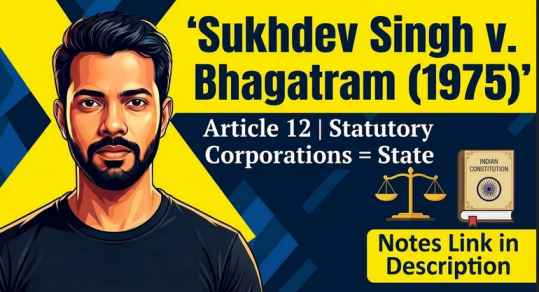
Sukhdev Singh v. Bhagatram (1975) – Statutory Corporations as “State”
This page explains the case in simple classroom-style English so that law students can quickly revise how LIC, ONGC and IFC were held to be “State” under Article 12 and why natural justice in public employment matters.
Secondary Keywords: LIC ONGC IFC employees, natural justice in termination, public sector employee rights

Video Explainer (YouTube)
Quick Summary
Sukhdev Singh v. Bhagatram (1975) is a landmark Supreme Court decision on Article 12 of the Constitution of India. The Court held that big public sector bodies like LIC, ONGC and IFC, which are created by statutes, are treated as “State”.
Three employees from these corporations were removed from service without proper notice and without a fair chance to defend themselves. They argued that their employers did not follow statutory rules and principles of natural justice. The Court agreed that these corporations perform public functions and their regulations have the force of law. As a result, they must obey fundamental rights and cannot throw out employees in an arbitrary manner.
- Statutory corporations = “State” under Article 12.
- Their regulations = delegated legislation, not mere contracts.
- Employees can seek reinstatement, not just damages, if rules are violated.
Legal Issues
The Supreme Court considered the following key questions:
-
Are statutory corporations “State” under Article 12?
Do corporations like LIC, ONGC and IFC fall within the definition of “State”, so that they must follow fundamental rights? -
Do their regulations have the force of law?
Are service regulations framed under the LIC Act, ONGC Act and IFC Act to be treated as binding law or as simple contractual terms? -
Can employees claim rights under Articles 14 and 16?
Can employees of such corporations challenge unfair dismissal by relying on equality and fair opportunity in public employment? -
What is the remedy for wrongful termination?
If dismissal violates statutory regulations, is the employee limited to damages or can the employee be reinstated with continuity of service?
These issues directly affect how far constitutional discipline extends to public sector employment.
Rules & Legal Principles
Constitutional Provisions
- Article 12 – Defines “State” to include Government, Parliament, and all local or other authorities within the territory of India or under the control of the Government of India.
- Article 14 – Guarantees equality before law and equal protection of the laws.
- Article 16 – Provides equality of opportunity in matters of public employment.
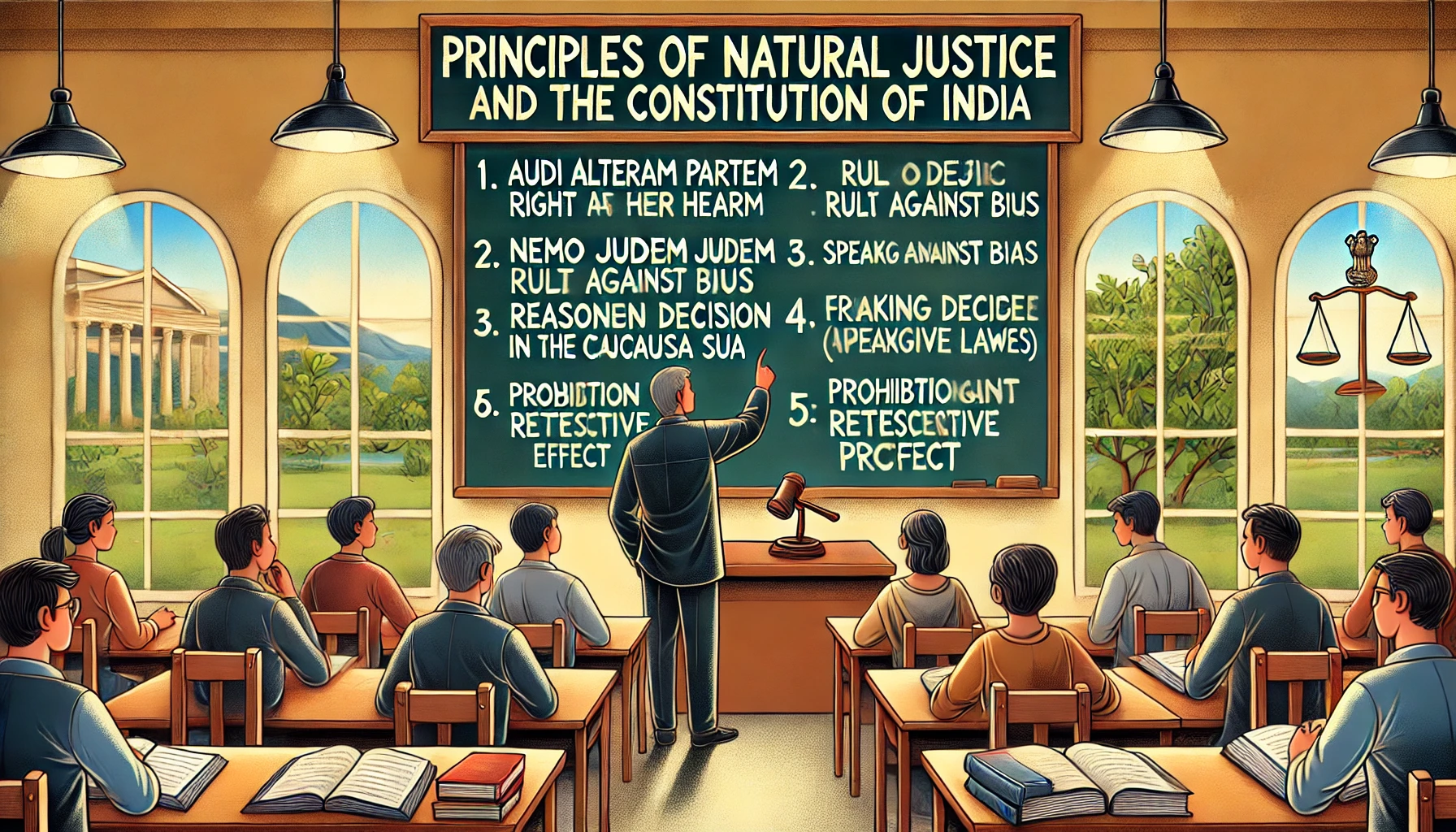
Principles of Natural Justice
- Audi Alteram Partem – No person should be condemned unheard. An employee must be given a fair chance to explain and defend.
- Nemo Judex in Causa Sua – No one should be a judge in their own cause. Decision-making must be impartial.
Precedent Referred
- Rajasthan State Electricity Board v. Mohan Lal (1967) – Recognised that certain public bodies created by statute can fall under Article 12 as “authorities”.
Background & Facts (Timeline)
The case involves three employees working in three different statutory corporations: IFC, LIC and ONGC. All three faced removal from service in a manner they felt was unfair and illegal.
Bhagat Ram – IFC
1963: Appointed as Assistant Manager in Industrial Finance Corporation of India (IFC).
1967: Removed from service without a proper hearing and without following the procedure laid down in the regulations.
Orissa High Court: Quashed his termination and held the removal invalid.
Sunil Kumar – LIC
1964: Joined Life Insurance Corporation of India.
1968: Terminated after an inquiry which he claimed was not fair and not in line with the statutory regulations.
Patna High Court: Dismissed his writ petition and refused relief.
Sukhdev Singh – ONGC
1967: Joined Oil and Natural Gas Commission (ONGC).
1971: Dismissed from service without a proper and fair inquiry.
Punjab & Haryana High Court: Dismissed his writ petition challenging the dismissal.
Supreme Court: All three matters reached a five-judge Bench, which considered them together.
In all three cases, employees argued that the corporations had acted arbitrarily and had ignored natural justice and their own service rules framed under statutes.
Arguments – Employees vs Corporations
Appellants – Employees
- The terminations were contrary to the statutory provisions under the IFC Act, LIC Act and ONGC Act.
- Regulations framed under these Acts had the force of law, not just contractual rules.
- Any order of termination that violates these regulations is void and can be challenged through writ jurisdiction.
- The employees were not given a real opportunity to be heard, which violates natural justice.
- Because the corporations are performing public functions, employees are entitled to protection under Articles 14 and 16.
- They asked not only for damages but also for reinstatement with continuity of service and back wages.
Respondents – Corporations
- The corporations argued that they were not “State” under Article 12 and were only business bodies.
- According to them, the regulations were primarily internal rules controlling employment, similar to a contract.
- Any violation of regulations, if proved, should only lead to a claim for damages, not reinstatement.
- They relied on their powers under provisions like Section 12 of the ONGC Act and Section 23 of the LIC Act to appoint and remove employees.
- They also emphasised their need for autonomy in running business and managing staff.
Supreme Court’s Judgment
The Supreme Court delivered a strong and clear judgment in favour of the employees. It recognised the special nature of statutory corporations and the need to protect workers from arbitrary actions.
-
LIC, ONGC and IFC are “State” under Article 12.
Because they are created by statutes, perform public functions and are closely controlled by the Government, they fall within the scope of “State”. -
Service regulations have the force of law.
Regulations framed under the parent Acts are delegated legislation. They are not ordinary contract terms and must be respected. -
Violation of regulations makes termination void.
If the corporation dismisses an employee by ignoring statutory regulations or natural justice, the action is invalid. -
Employees can seek reinstatement.
The Court held that the remedy is not limited to damages. The employee can be reinstated with continuity of service and back wages where appropriate.
Through this reasoning, the Court pushed public sector employers to act fairly, transparently and legally.
Ratio Decidendi
-
Statutory corporations as State:
A corporation created by a statute, performing public functions under State control and funded by public money, is an “authority” and therefore “State” under Article 12. -
Delegated legislation:
Regulations framed under such statutes are a form of delegated legislation and accordingly have the force of law. -
Constitutional discipline:
Because they are “State”, these bodies must act in line with Articles 14 and 16. Any arbitrary or discriminatory termination violates the Constitution. -
Remedy of reinstatement:
Where the dismissal violates statutory rules or natural justice, the Court can grant reinstatement with back wages, not merely damages.
In simple terms, the ratio is: Public sector corporations cannot behave like purely private employers; they are bound by constitutional standards.
Why This Case Matters
- It strengthened the idea that public sector undertakings are accountable under the Constitution.
- It gave greater job security to employees of statutory corporations by linking their service rights with fundamental rights.
- It made sure that natural justice is not an empty slogan, but a real requirement before terminating employees in the public sector.
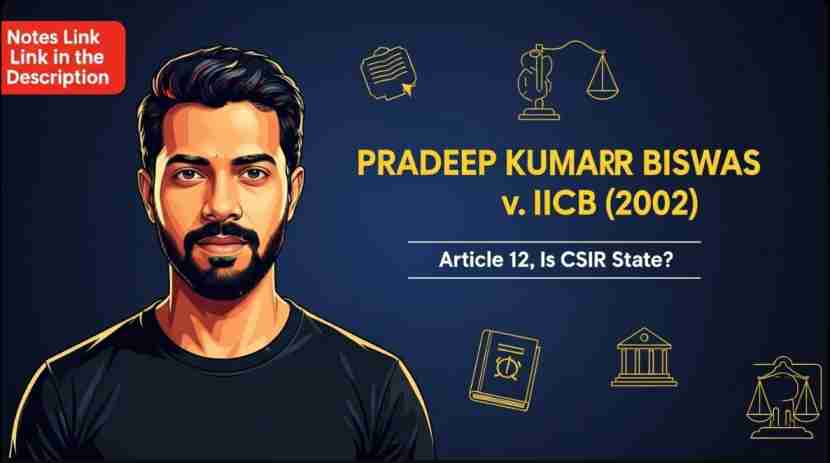
- It laid the foundation for later decisions on Article 12 and public bodies, such as Ajay Hasia and Pradeep Kumar Biswas.
For students, this case is a core example for any exam question on Article 12, public authorities and service rights in PSUs.
Key Takeaways for Exams
- Parties: Employees of IFC, LIC and ONGC vs their employers.
- Bench: Five-judge Bench, Supreme Court of India.
- Core Topic: Article 12 – meaning of “State”.
- Linked Rights: Articles 14 and 16.
- Key Concept: Statutory corporations as public authorities.
- Regulations: Delegated legislation with force of law.
- Employee Rights: Protection against arbitrary dismissal.
- Natural Justice: Hearing and fairness before termination.
- Remedy: Reinstatement + back wages, not only damages.
- Use in Answers: Quote along with RSEB v. Mohan Lal and Ajay Hasia.
Mnemonic + 3-Step Hook
Mnemonic: “SIR PSU”
- S – Statutory Corporations (LIC, ONGC, IFC)
- I – Interpreted as State under Article 12
- R – Regulations = law (delegated legislation)
- P – Protection of Articles 14 & 16
- S – Service Security through reinstatement
- U – Unfair termination void
3-Step Memory Hook
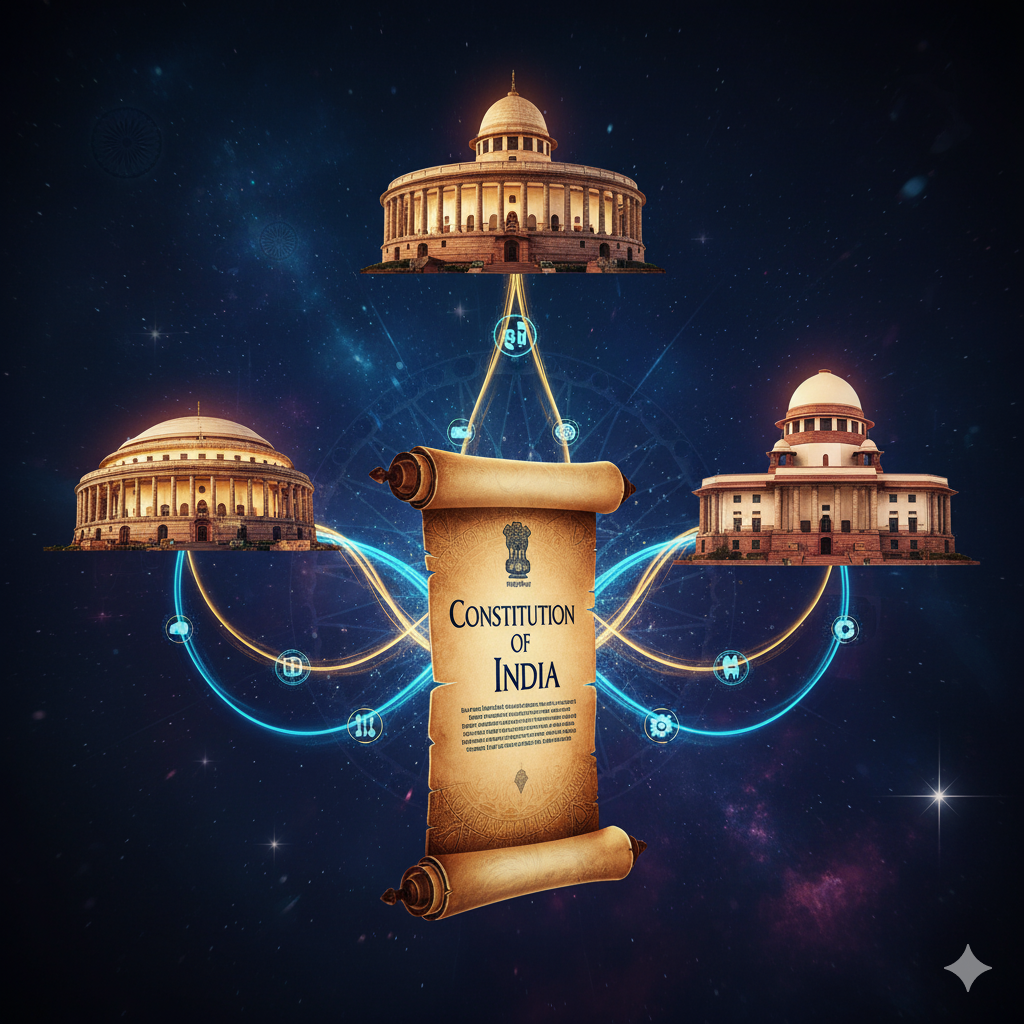
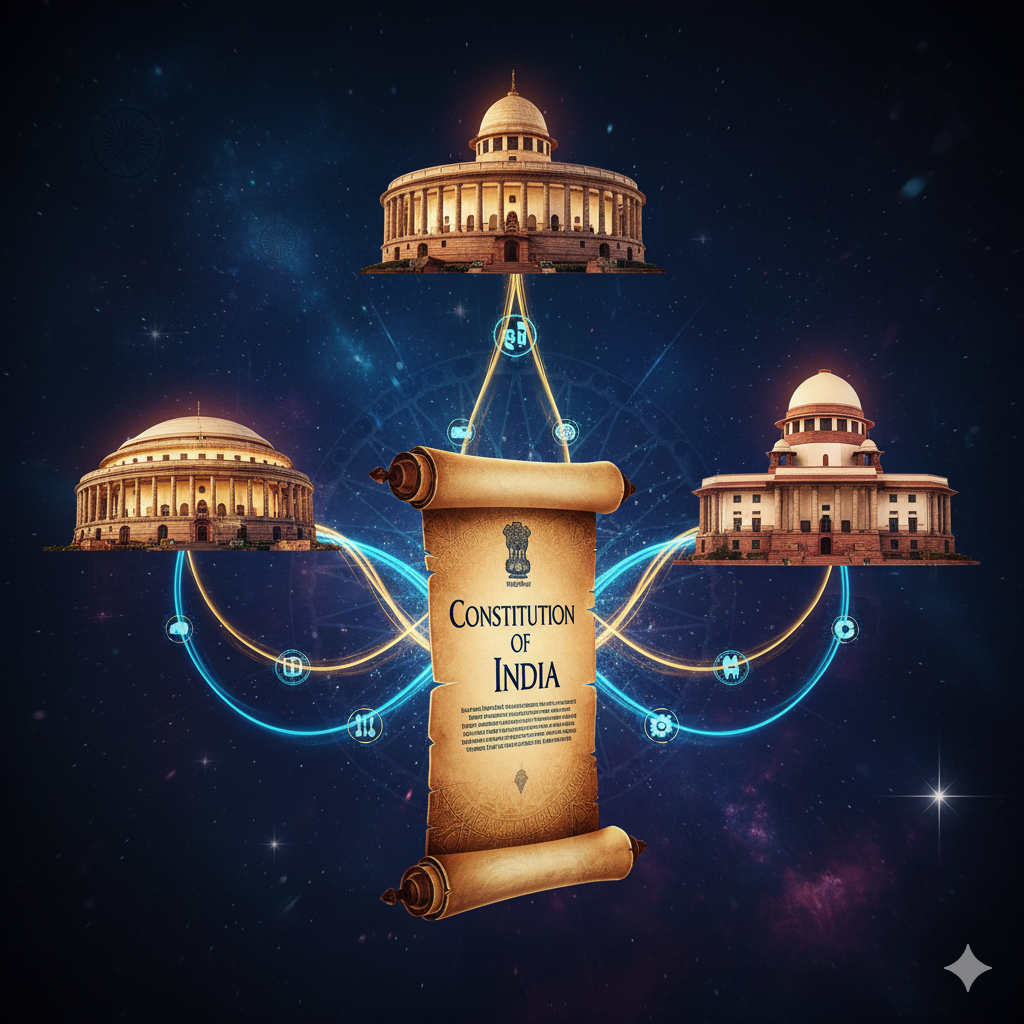
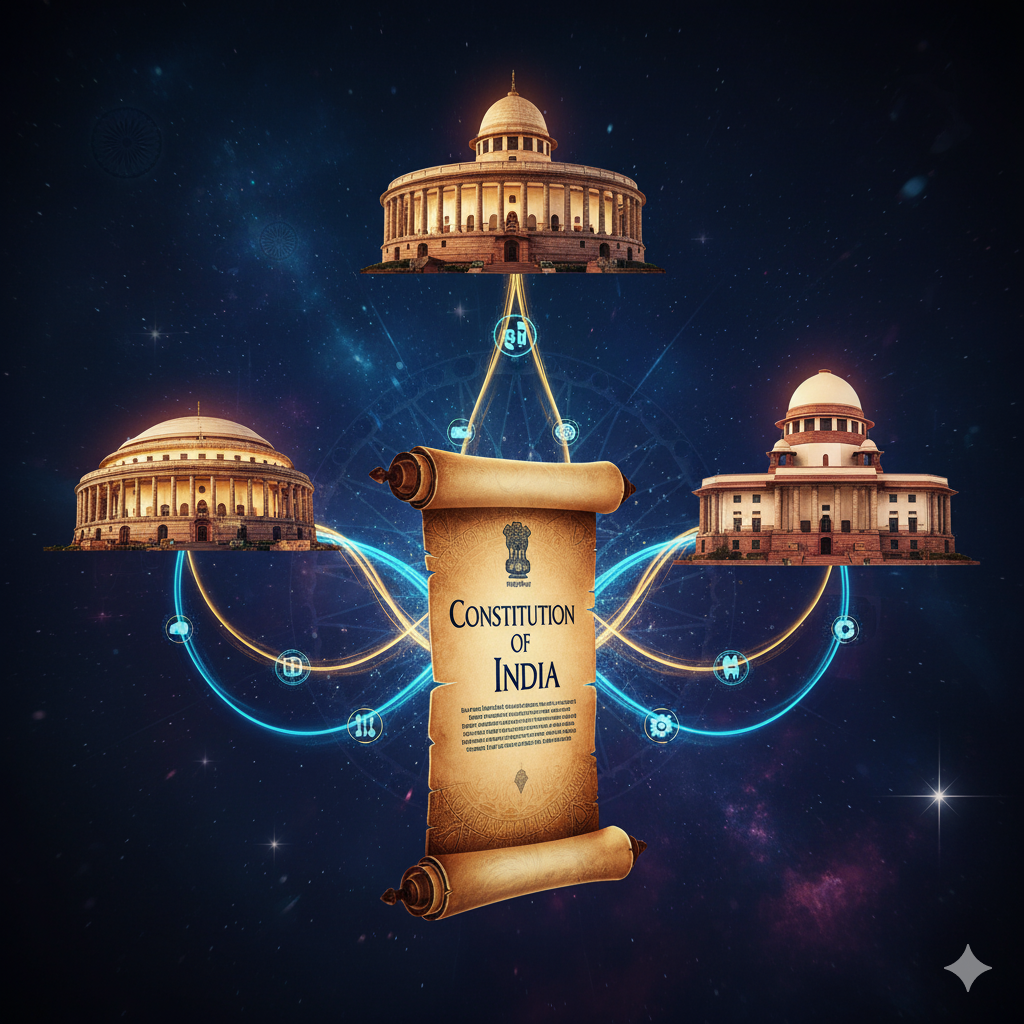
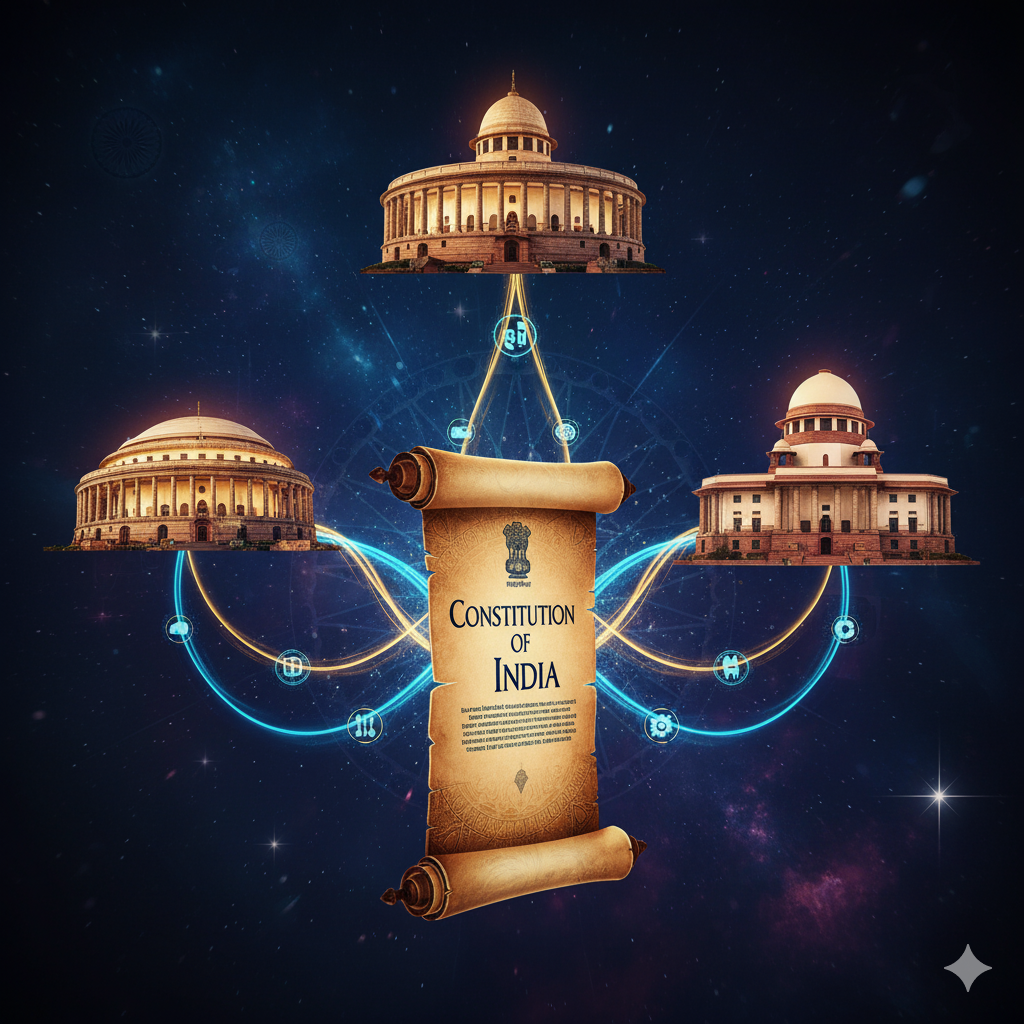
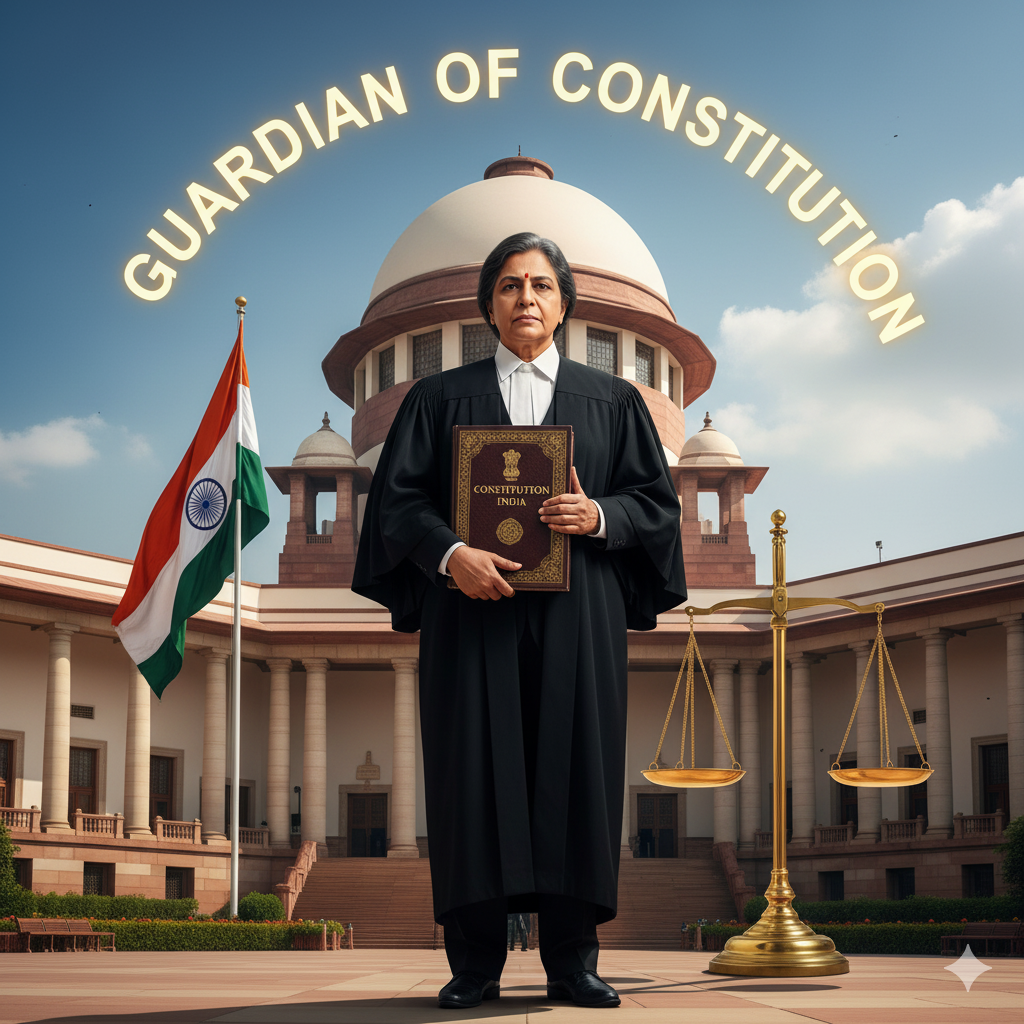
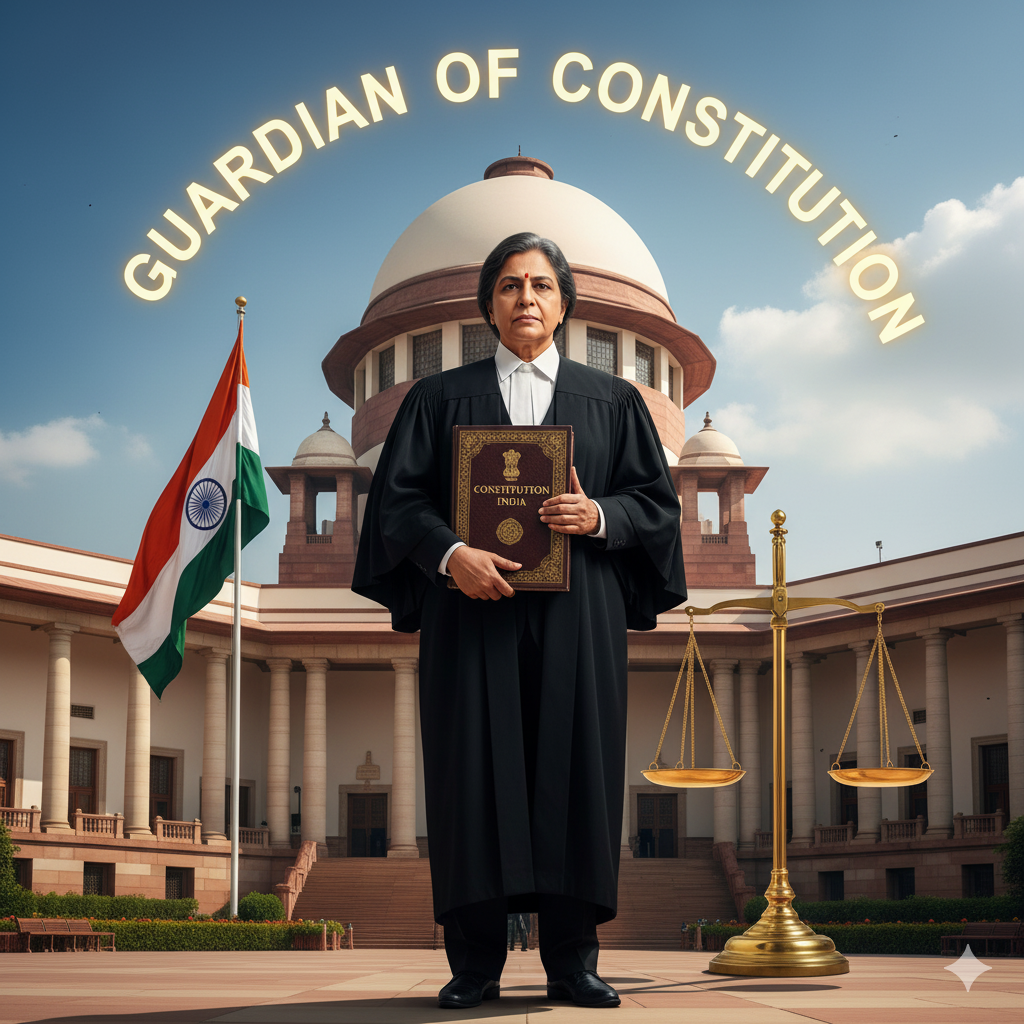
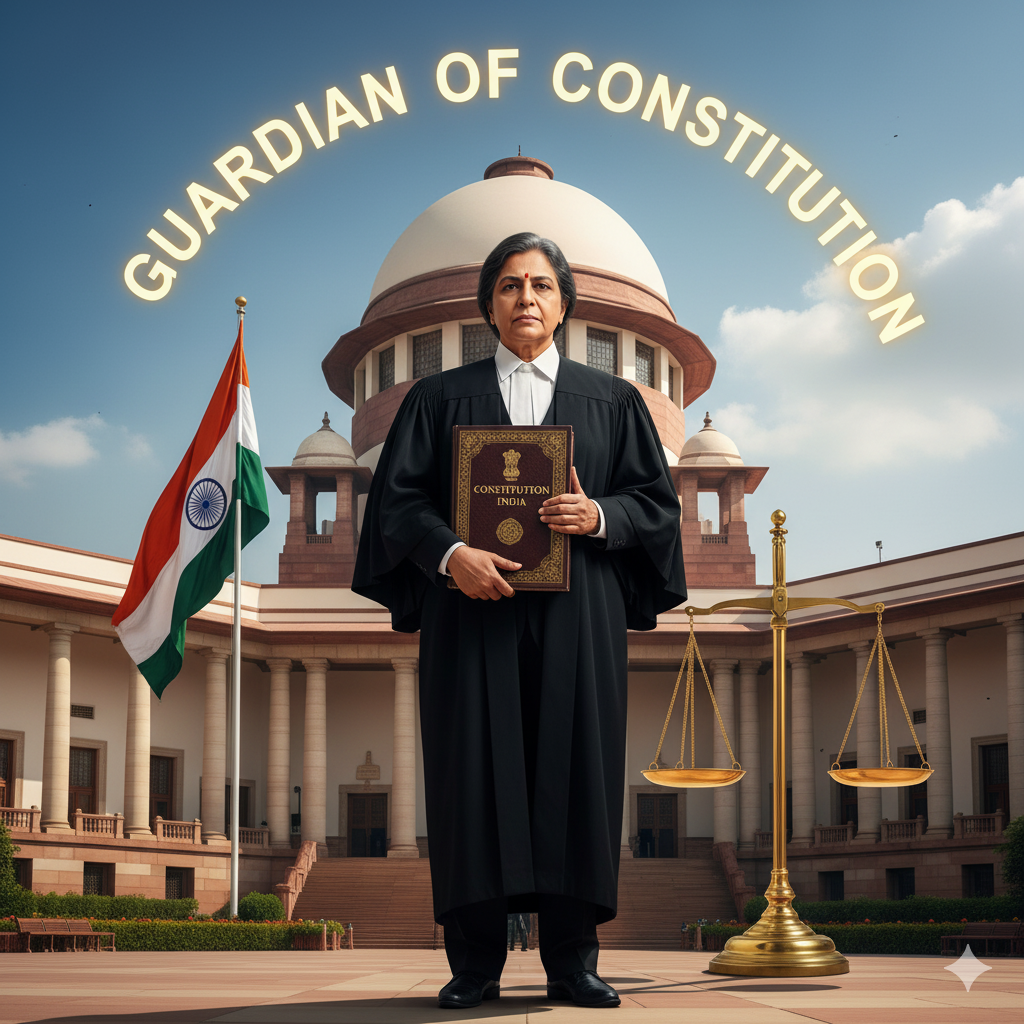
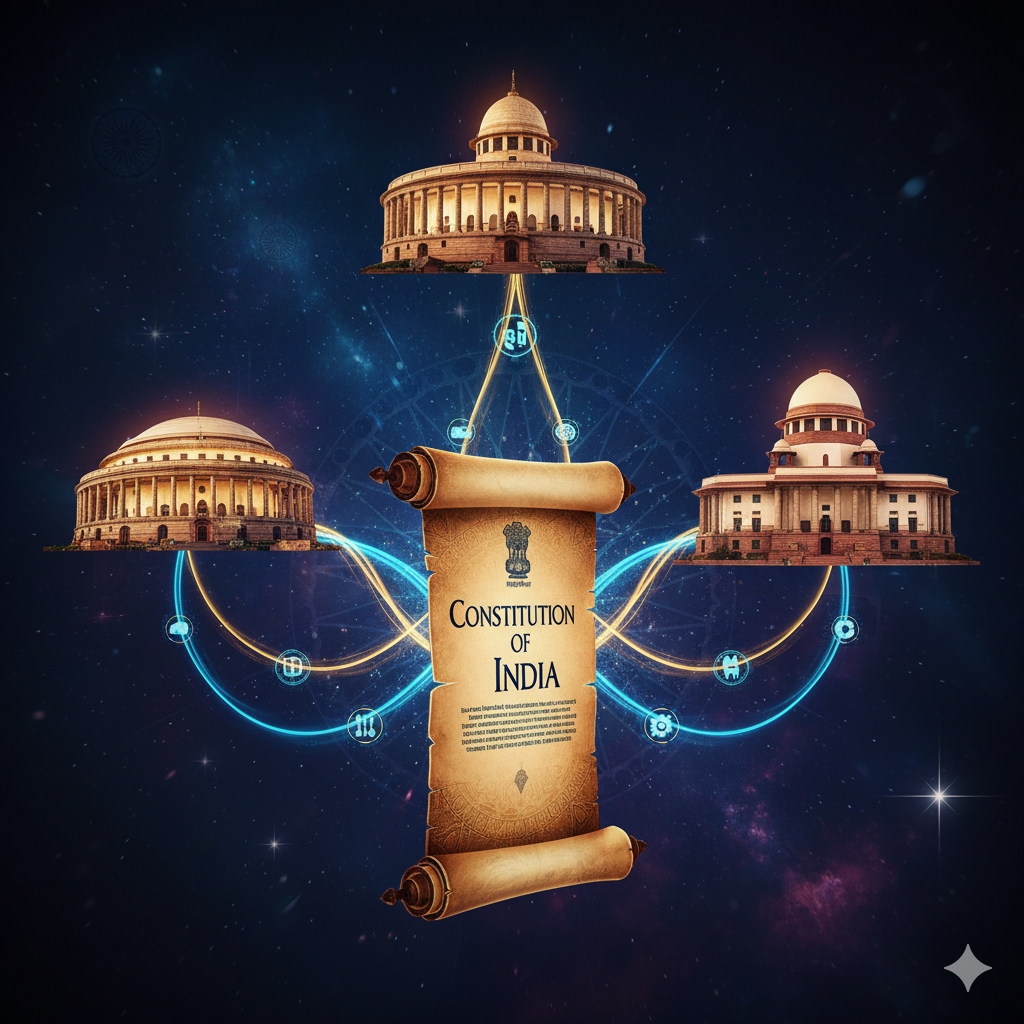
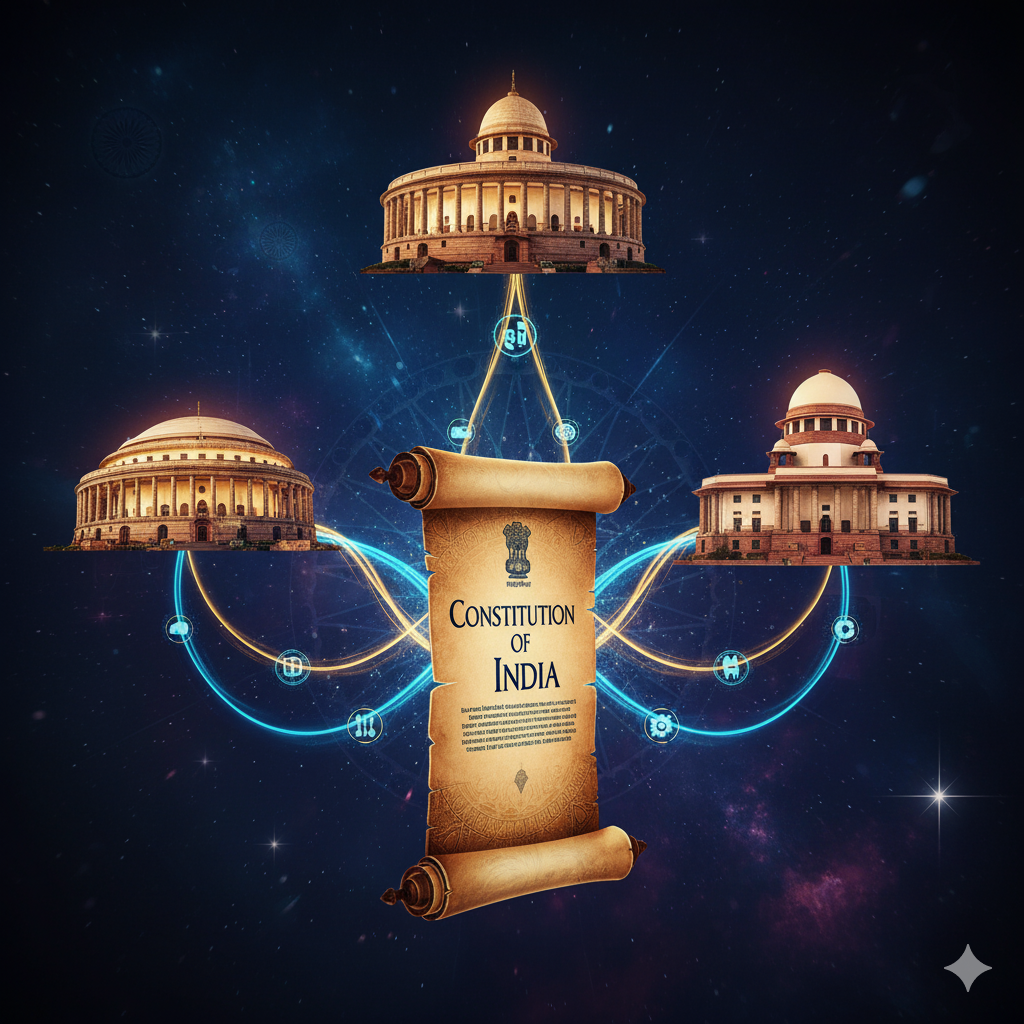
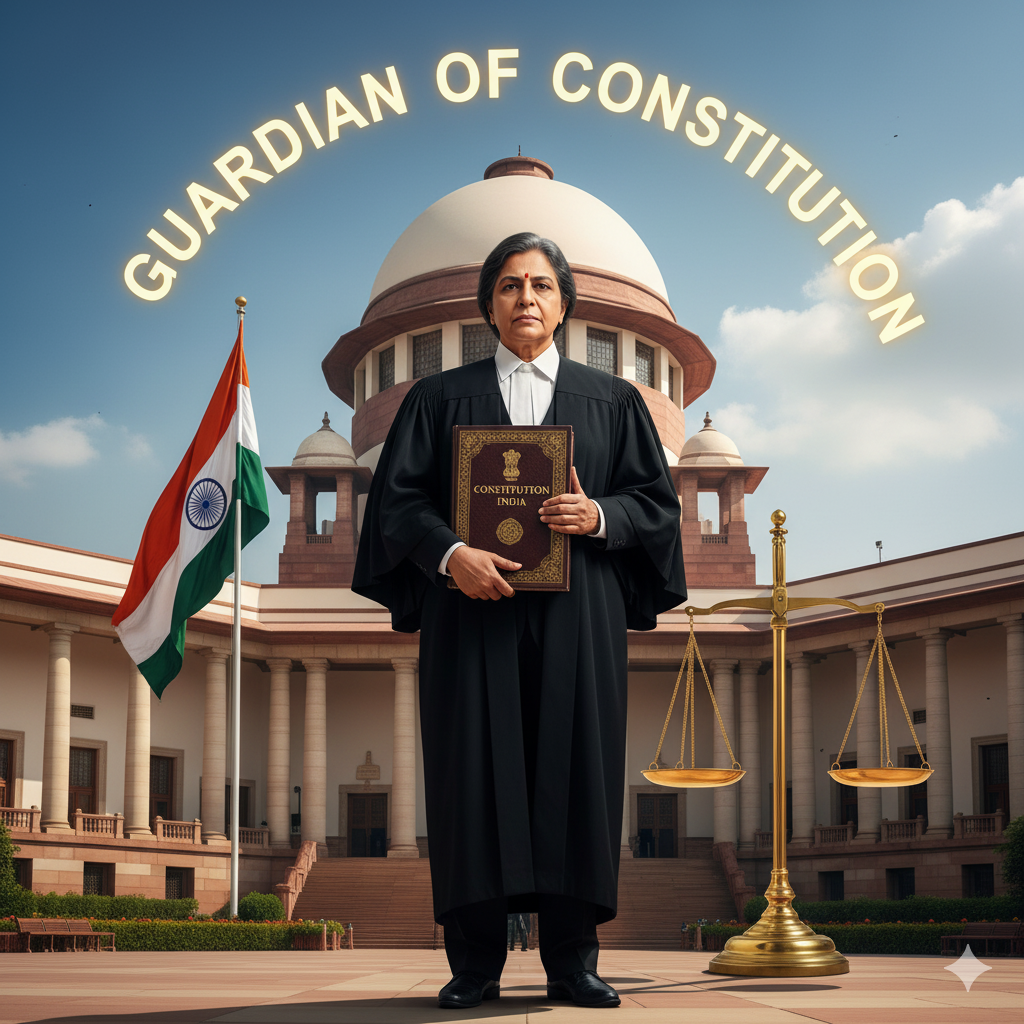
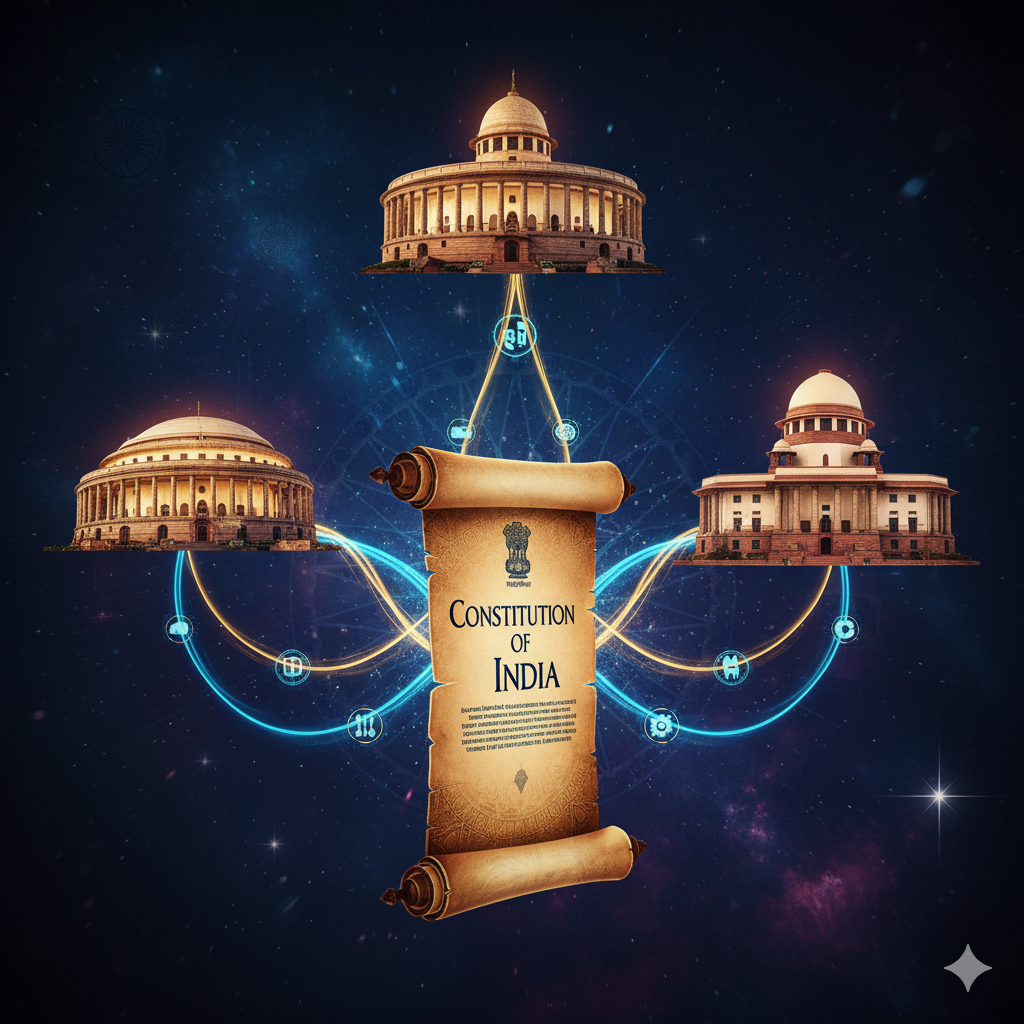
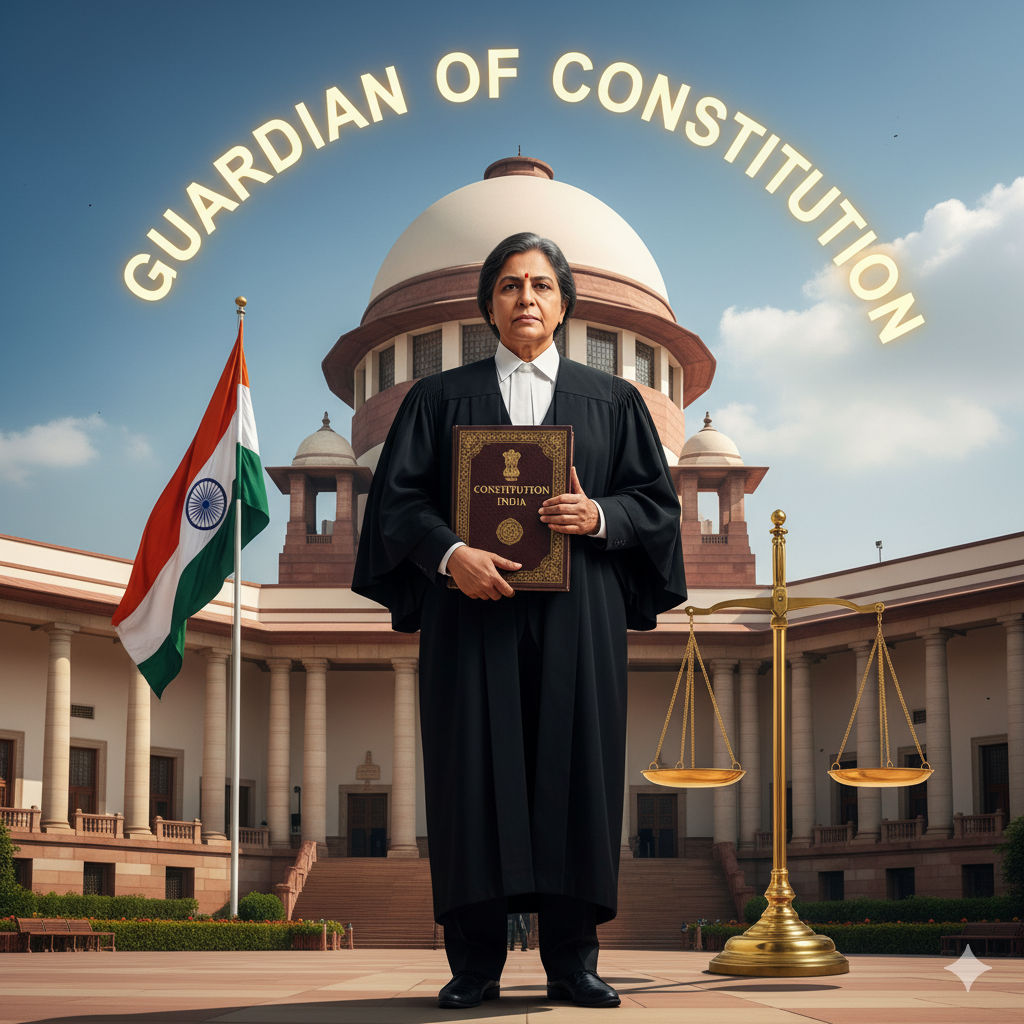
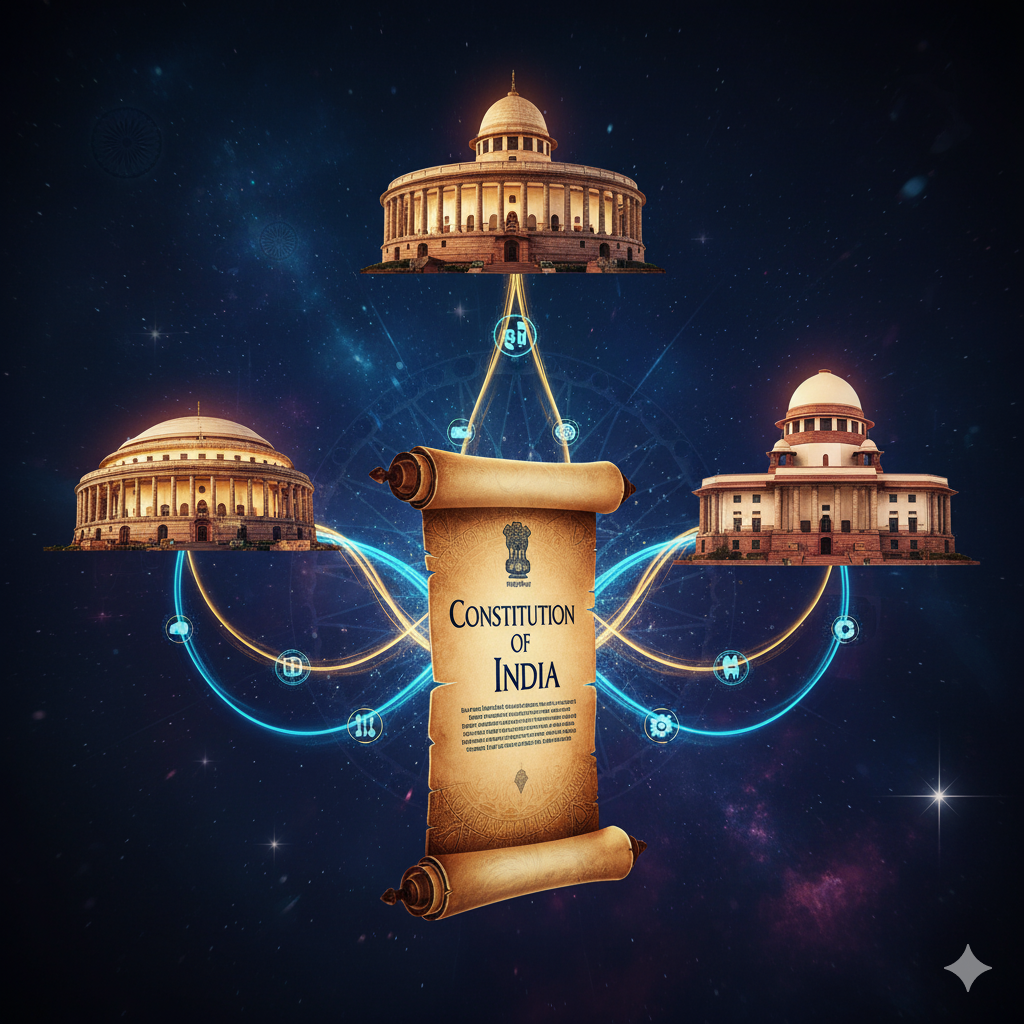
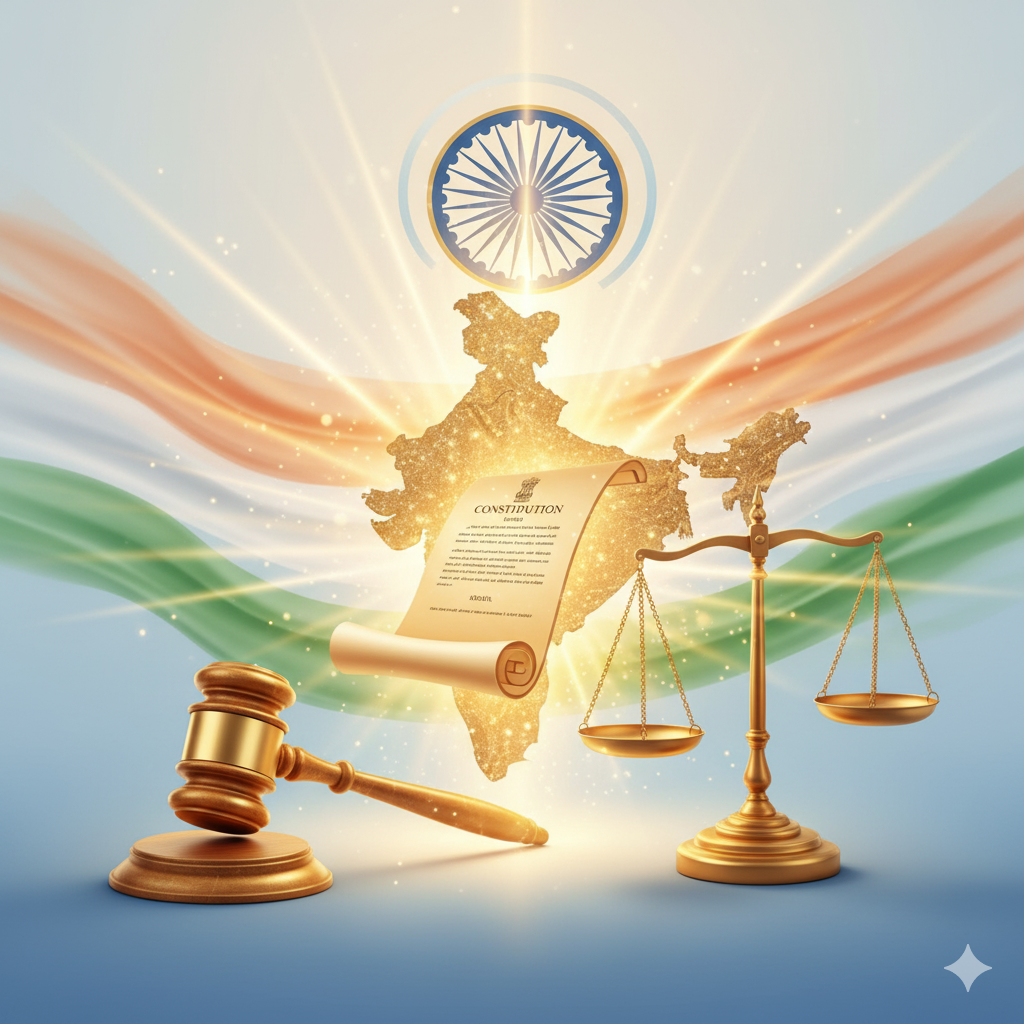
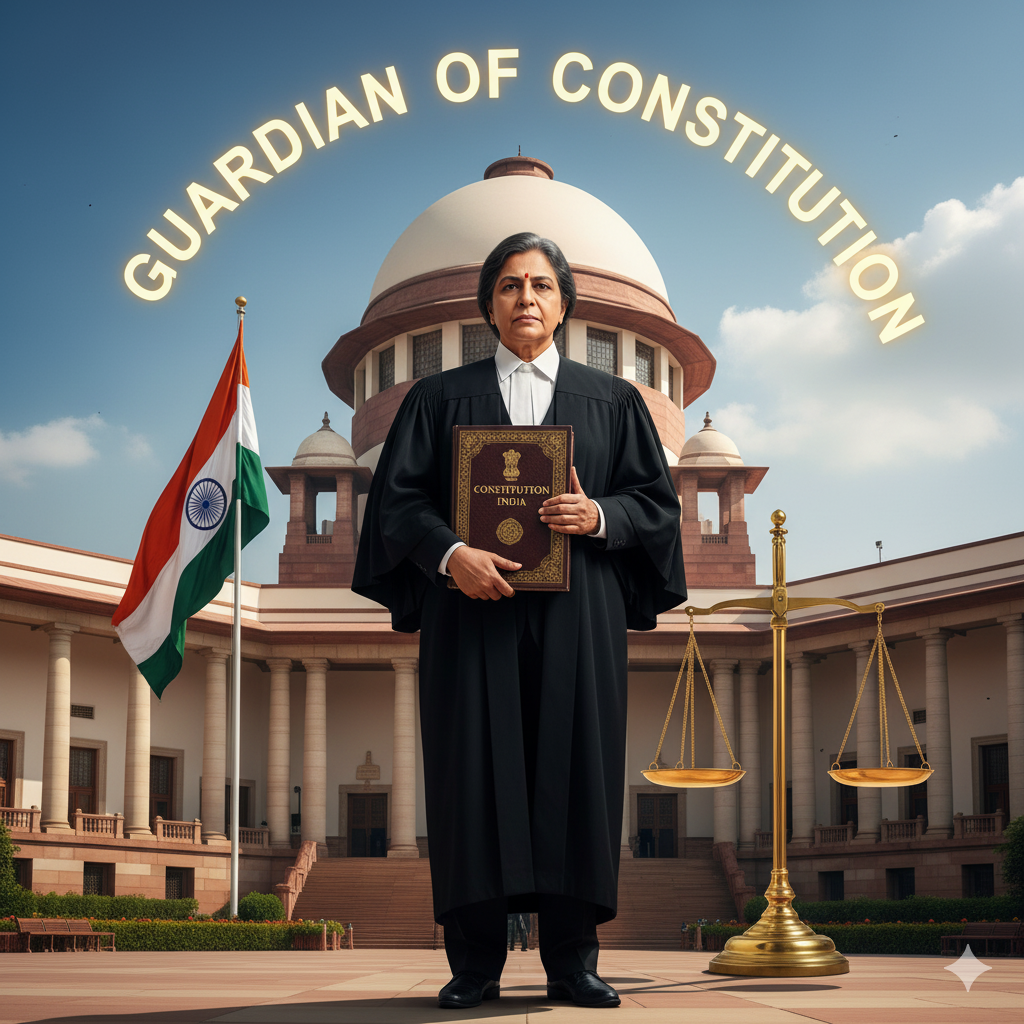
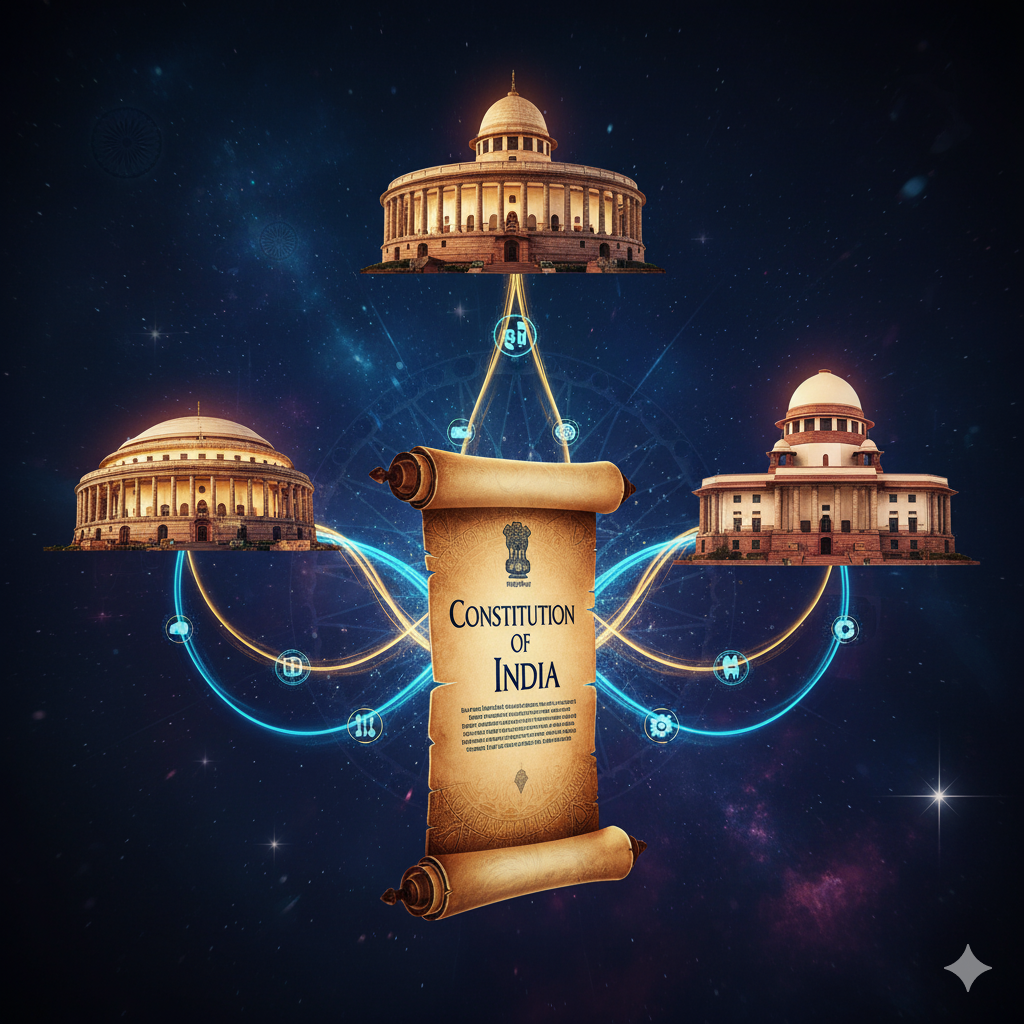
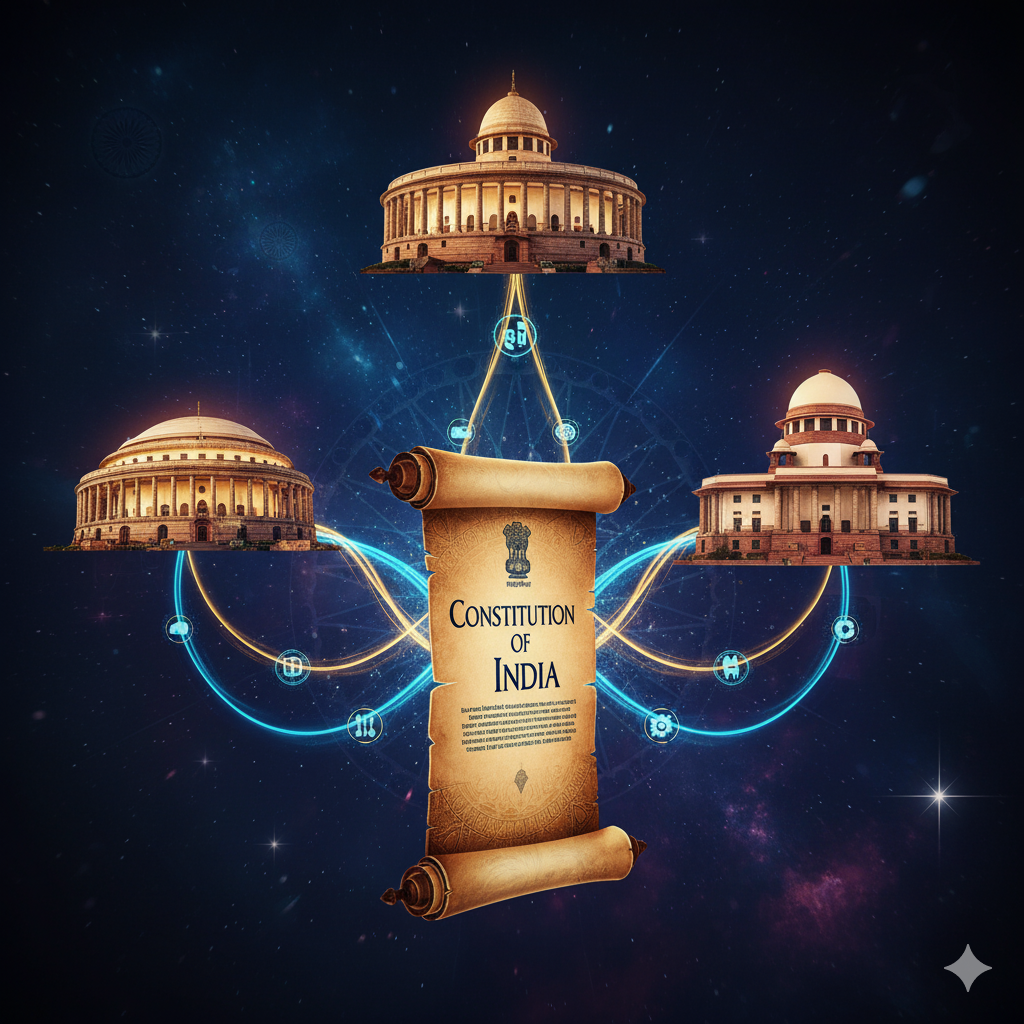
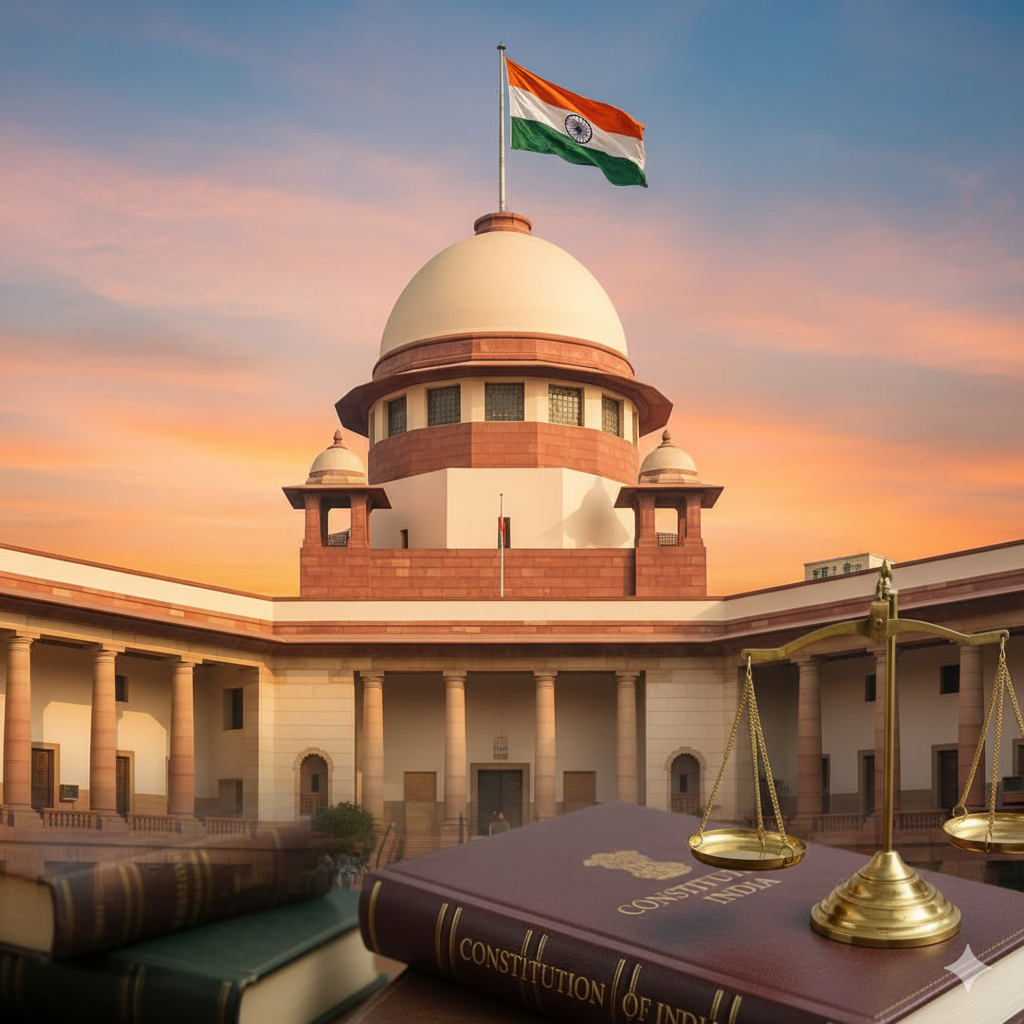
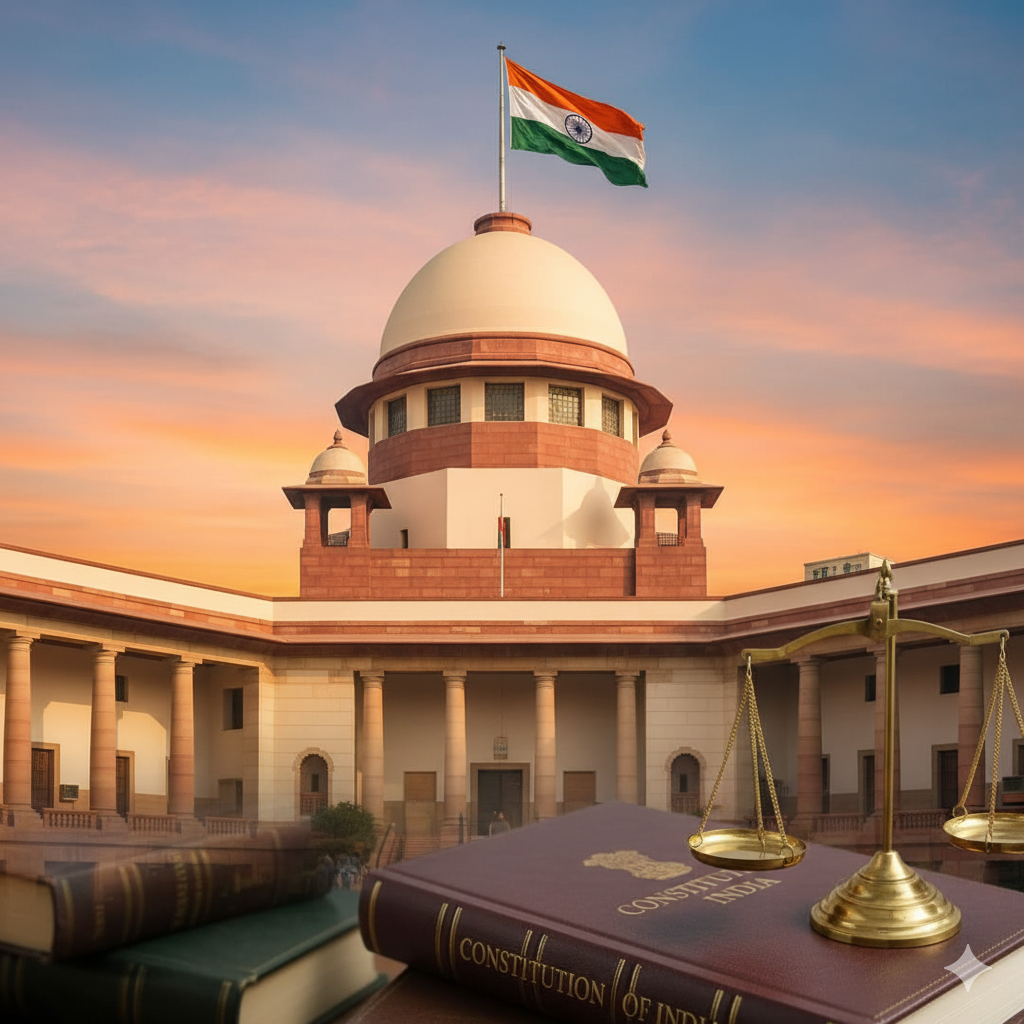
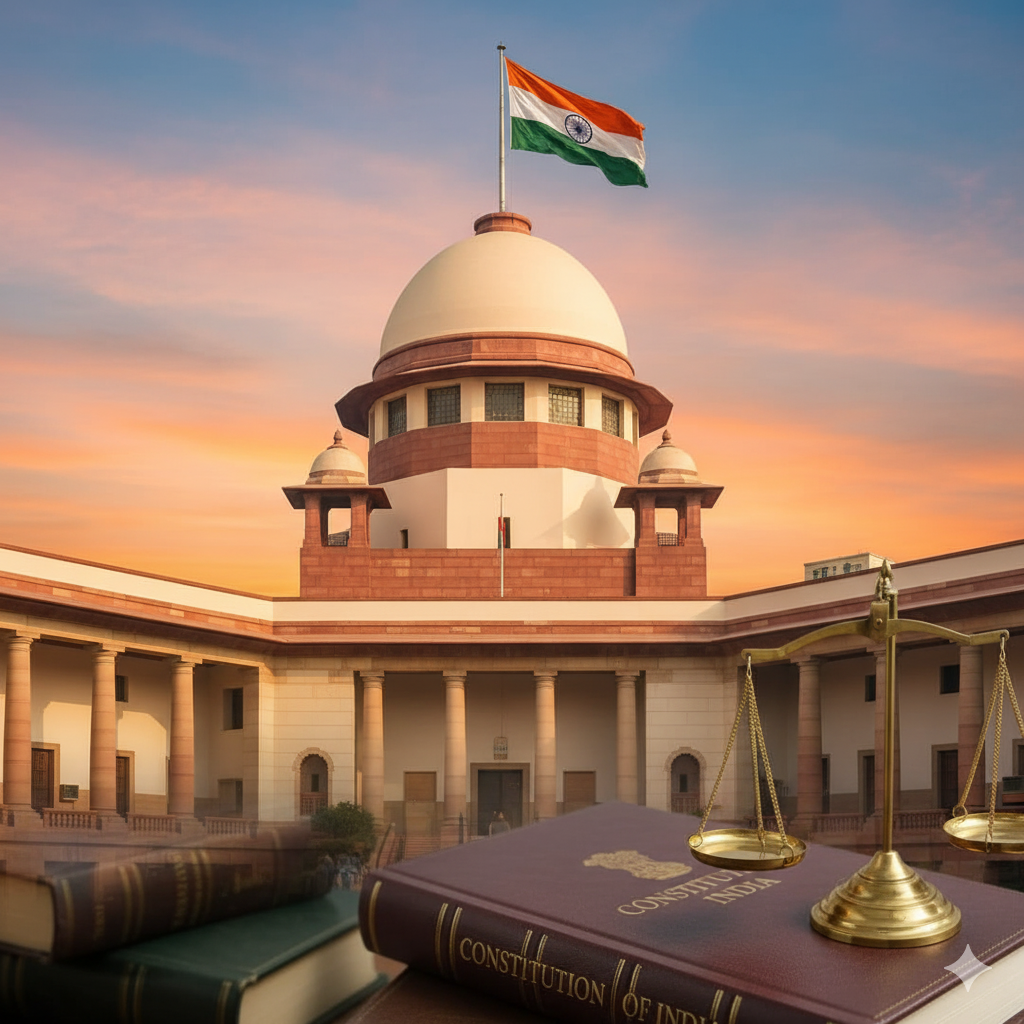
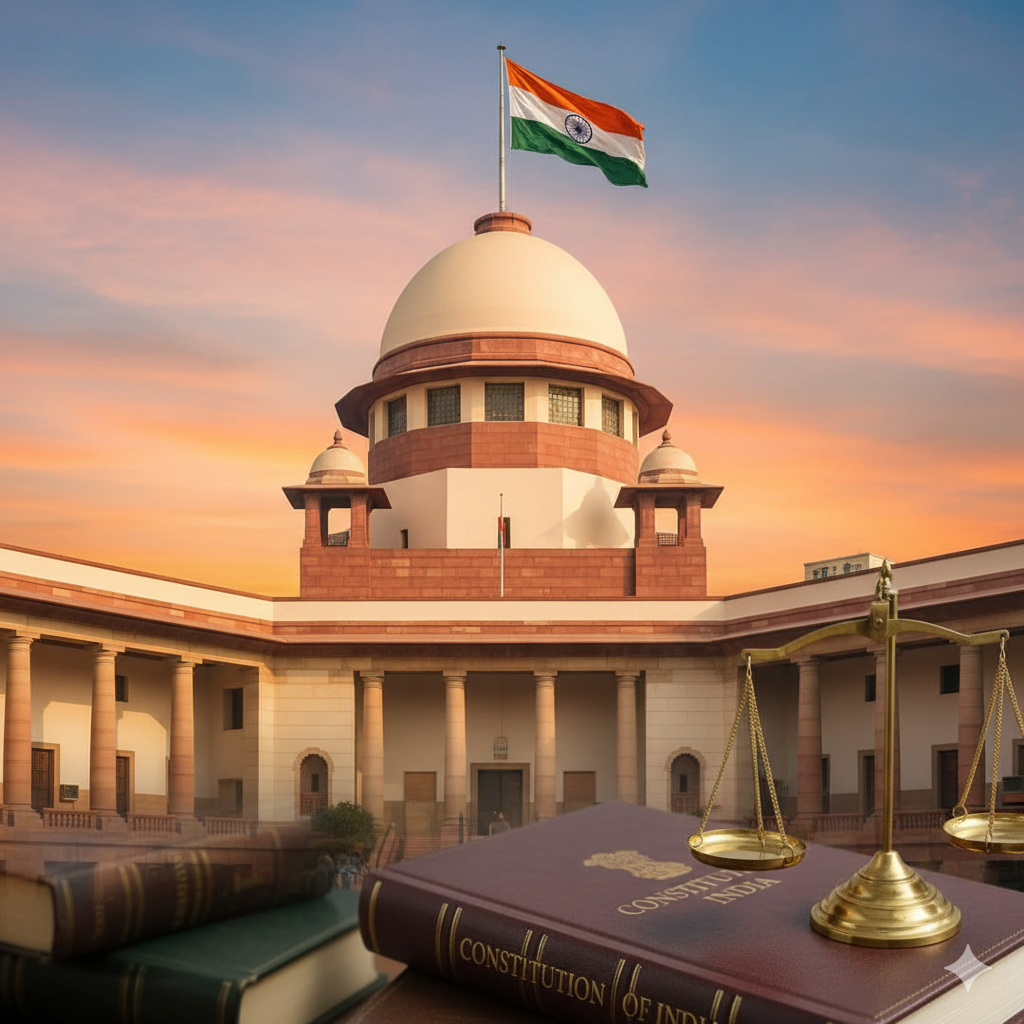
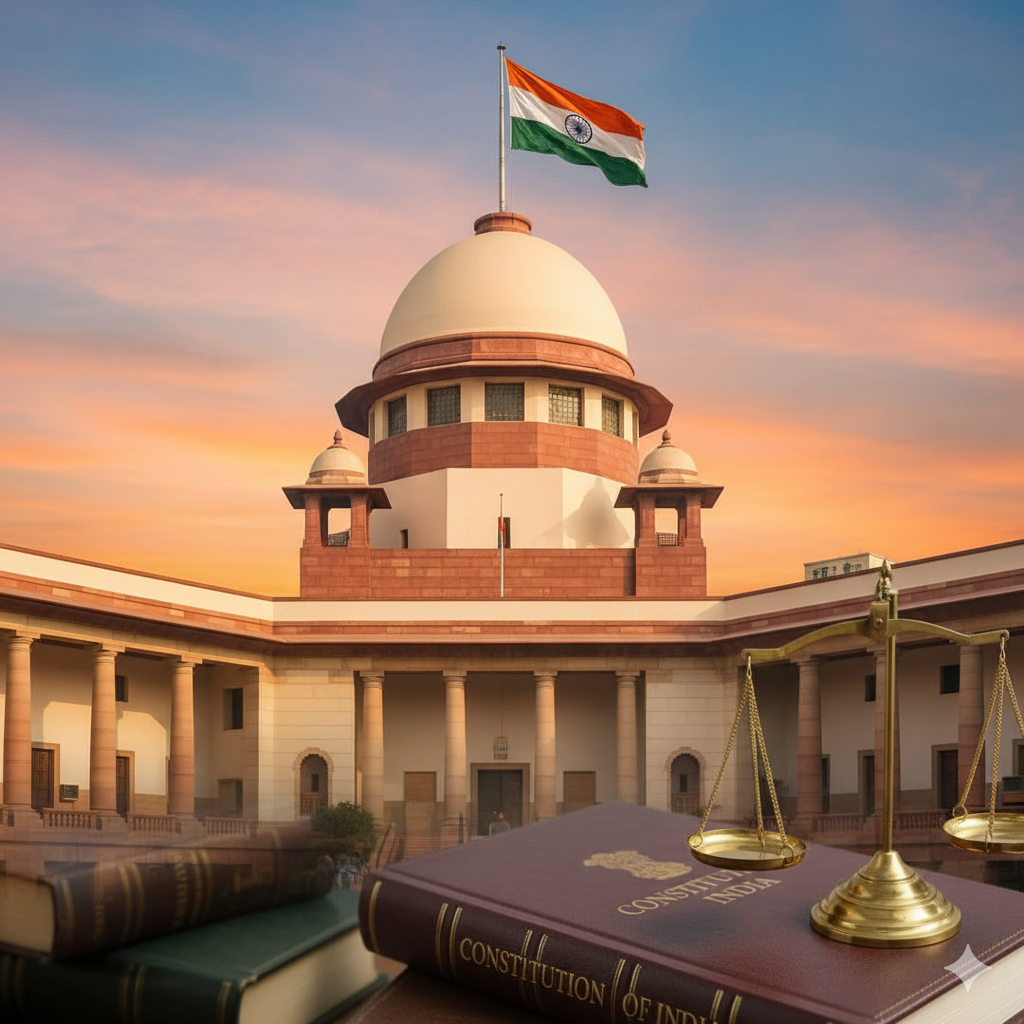
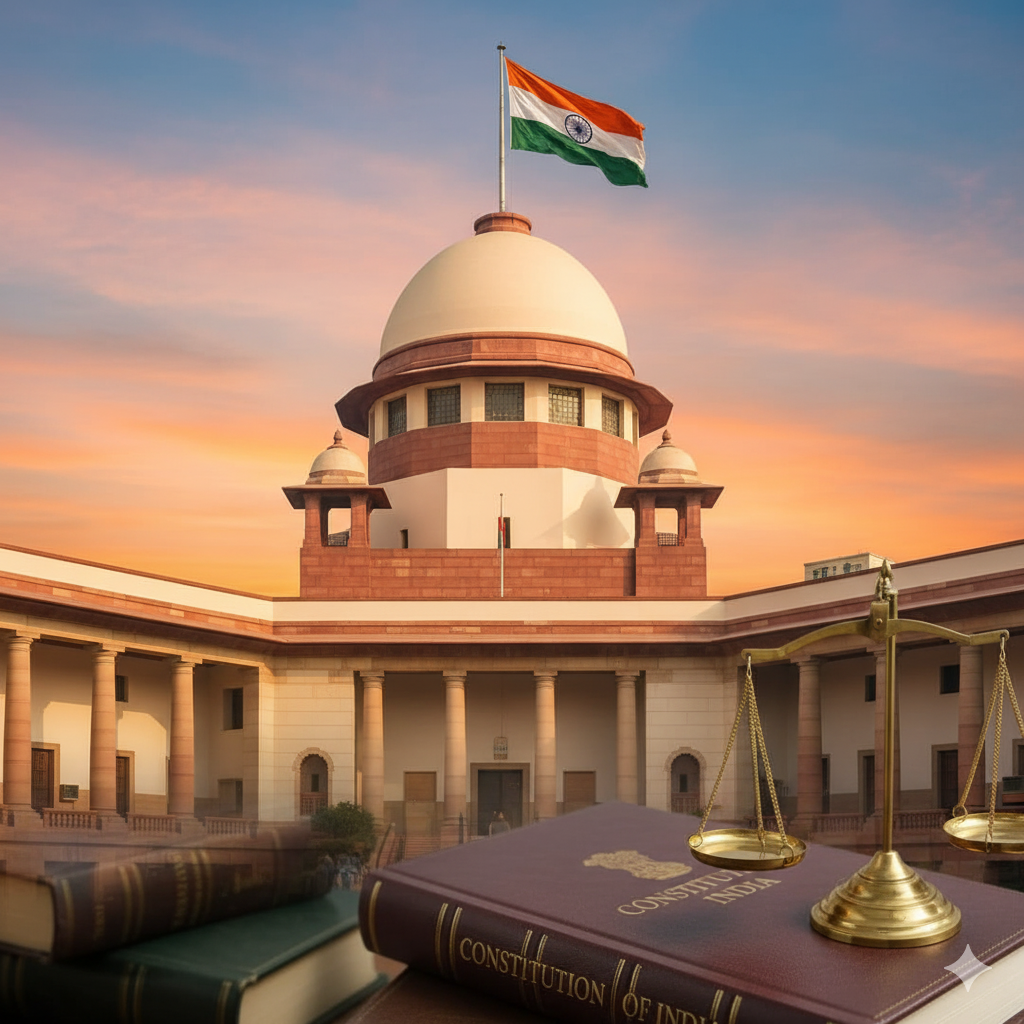
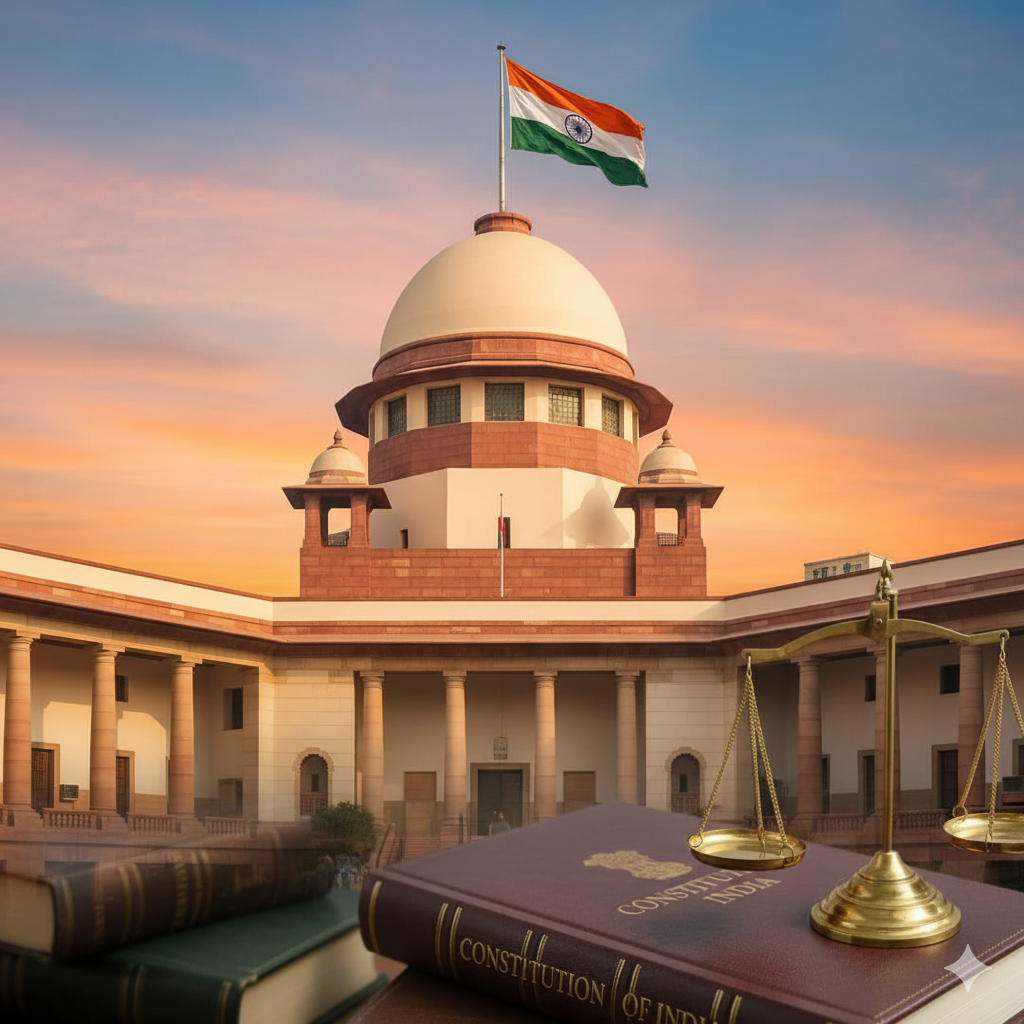
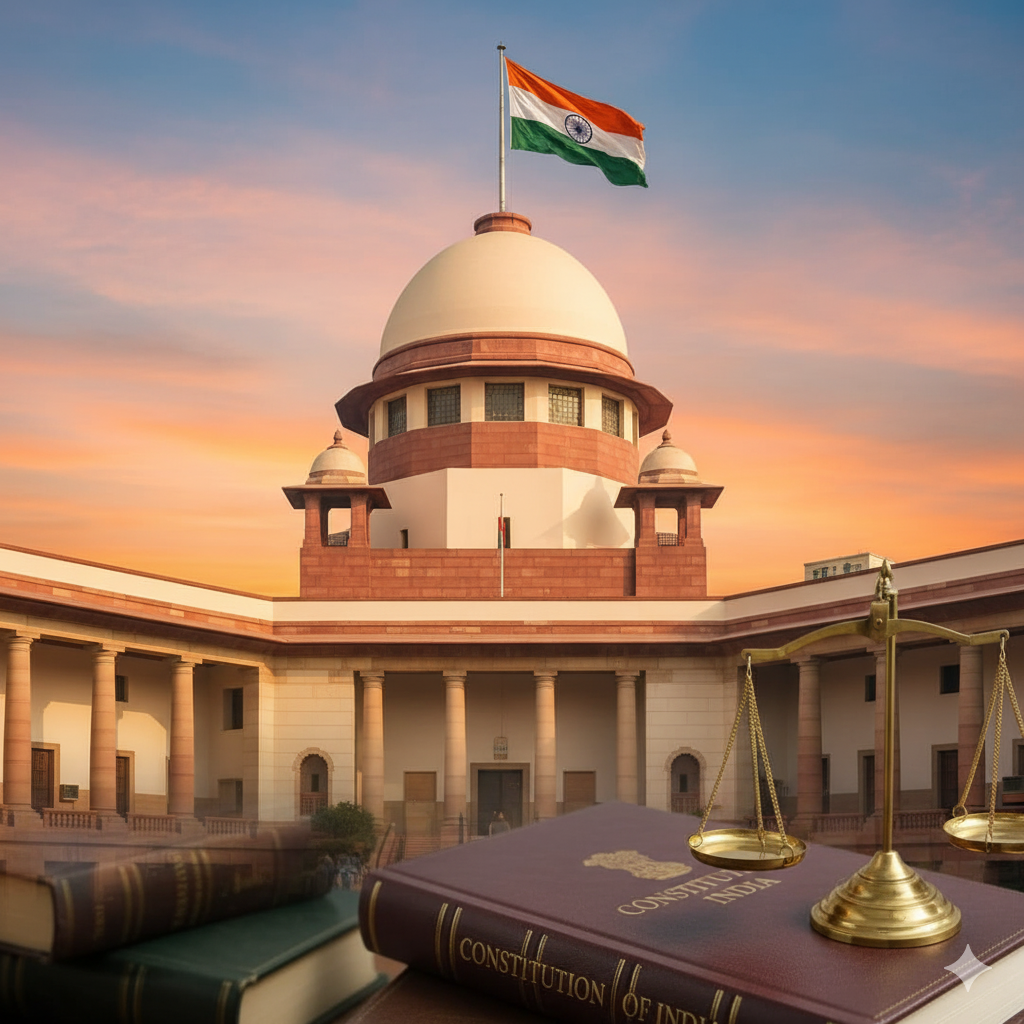
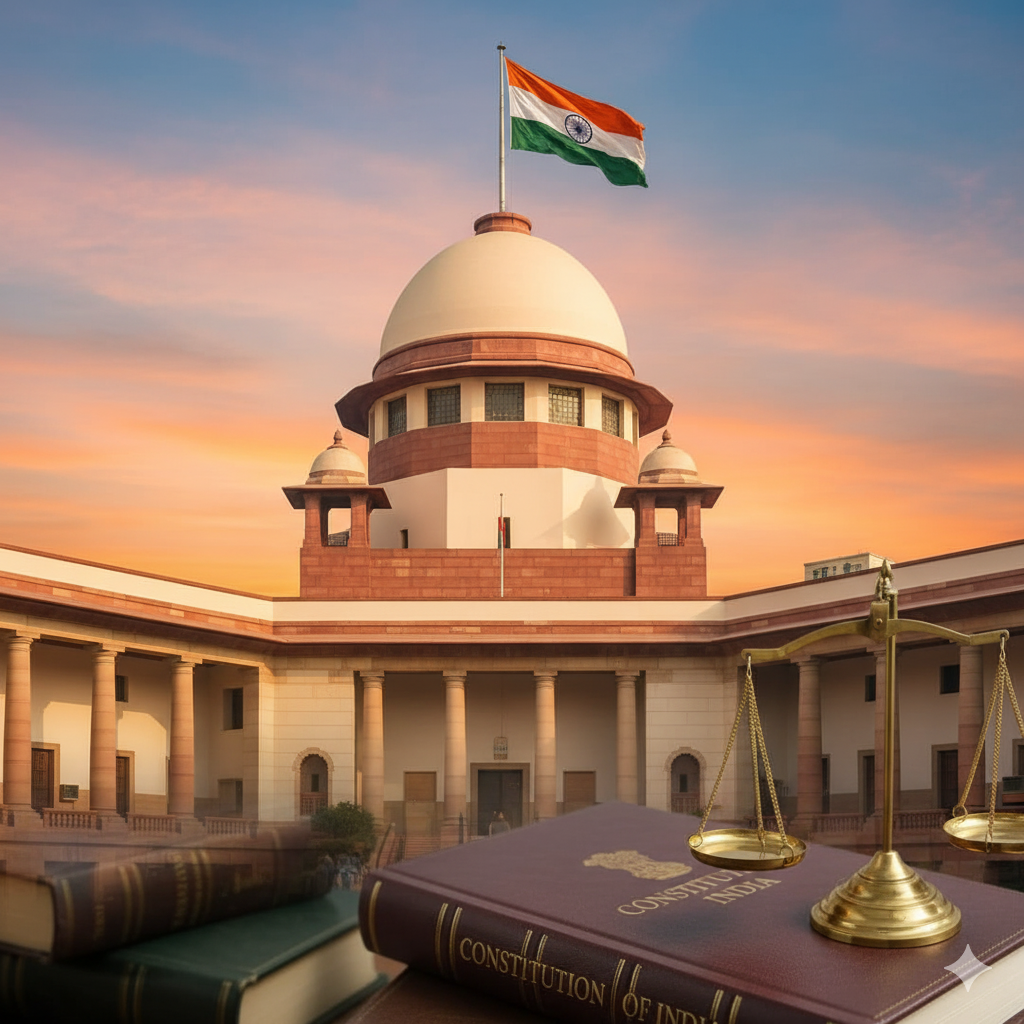
- Step 1 – Picture the PSUs: Visualise LIC, ONGC and IFC as three big pillars standing inside the Supreme Court.
- Step 2 – Wrap them in the Constitution: Imagine the Constitution draping these pillars, showing they are “State”.
- Step 3 – Hear the employee’s voice: Picture an employee saying, “You must follow your own law and hear me before you remove me.”
IRAC Outline – Sukhdev Singh v. Bhagatram
Issue
- Whether statutory corporations like LIC, ONGC and IFC are “State” under Article 12.
- Whether their service regulations have the force of law.
- Whether employees can claim fundamental rights and seek reinstatement when those regulations are violated.
Rule
- Article 12 – definition of State, including authorities under government control.
- Articles 14 and 16 – equality and fair opportunity in public employment.
- Principles of natural justice – fair hearing and impartial decision-maker.
- Regulations under statutes = delegated legislation with legal force.
Application
- LIC, ONGC and IFC are created by Acts of Parliament, funded by public money and perform public duties.
- They are under significant governmental control, so they qualify as “authorities”.
- The service regulations are framed under statutory powers and therefore operate as law.
- Terminations that ignore these regulations and natural justice are arbitrary and violate Articles 14 and 16.
Conclusion
- Statutory corporations like LIC, ONGC and IFC are “State” under Article 12.
- Their employees enjoy protection of fundamental rights in service matters.
- Wrongful terminations can be set aside and employees can be reinstated with back wages.
Glossary – Important Terms
Statutory Corporation
A body created by an Act of Parliament or State Legislature, having separate legal identity and performing public or commercial functions.
Article 12 – State
Defines what is included in the term “State” for Part III of the Constitution, such as Government and other authorities under its control.
Delegated Legislation
Rules, regulations or by-laws made by an authority under powers given by a statute. They carry legal force similar to the parent Act.
Natural Justice
Basic fairness in decision-making, including fair hearing and impartial authority, especially before taking away someone’s rights or job.
Back Wages
Salary and allowances that an employee would have earned during the period of wrongful removal, paid when they are reinstated.
Student-Friendly FAQs
Visual Aids (Optional)





















































Popular & Recent Post




























Comment
Nothing for now