

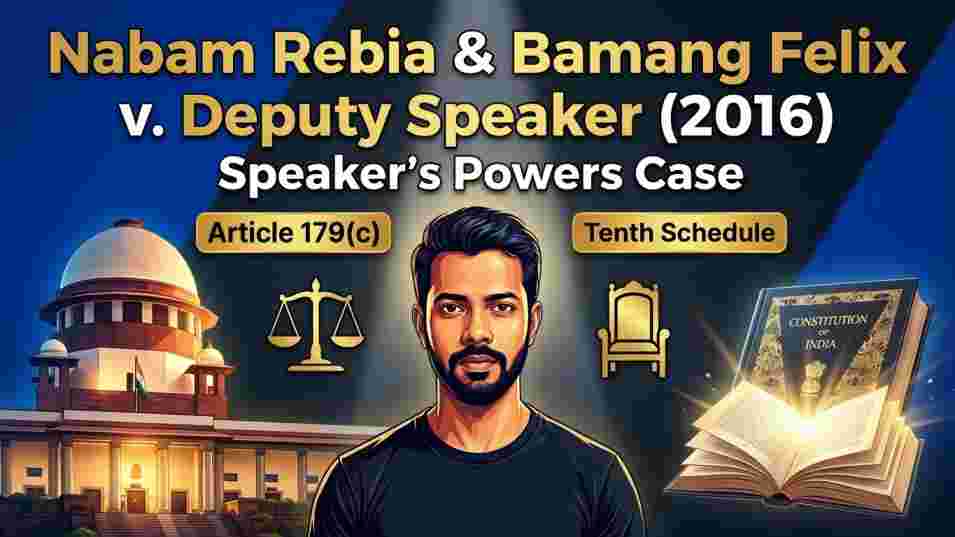
Nabam Rebia & Bamang Felix v. Deputy Speaker
Quick Summary
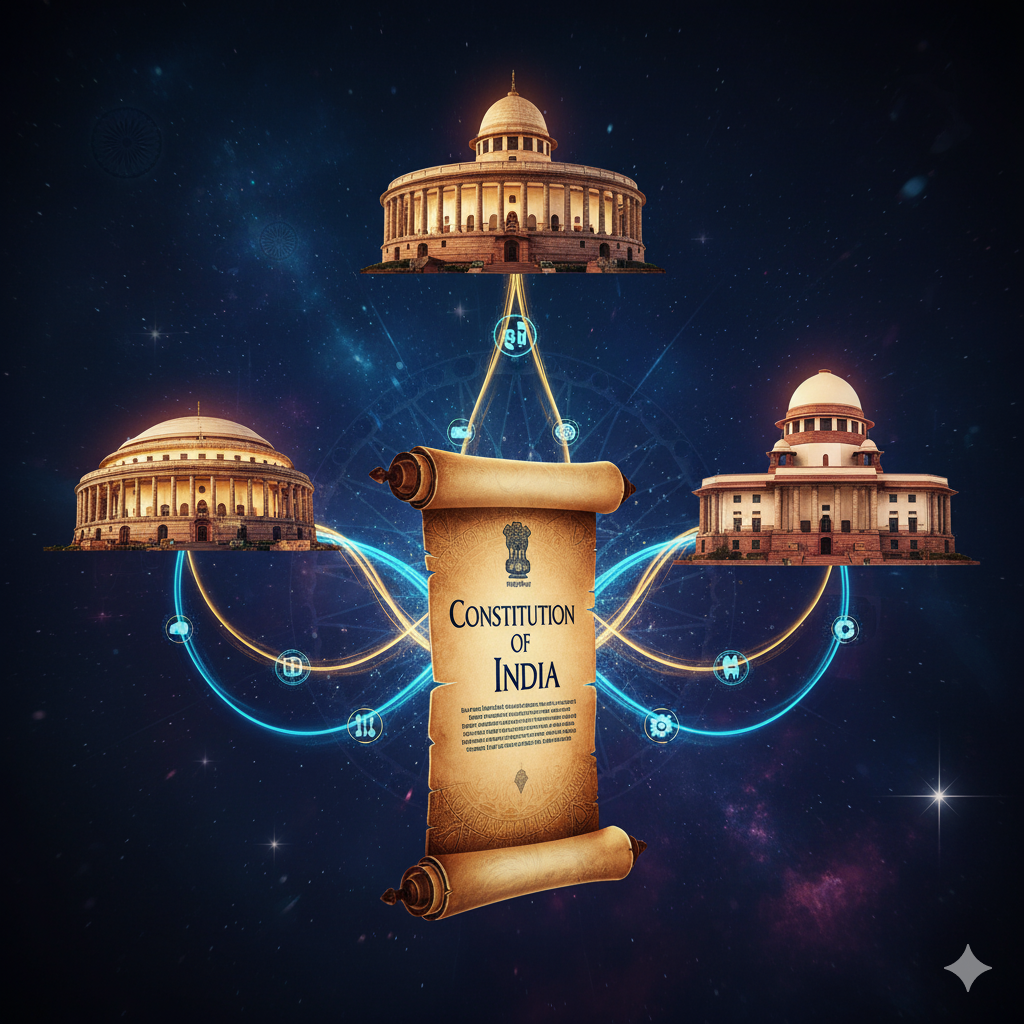
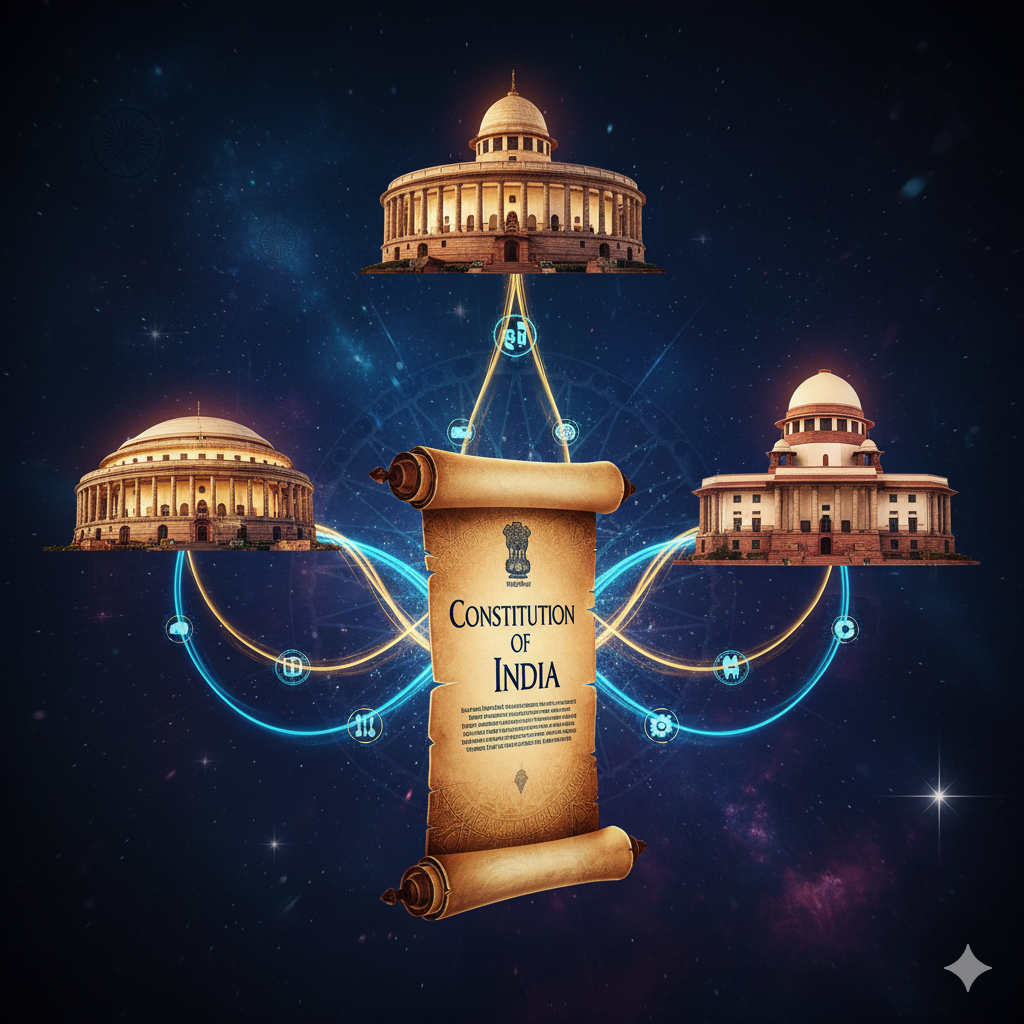
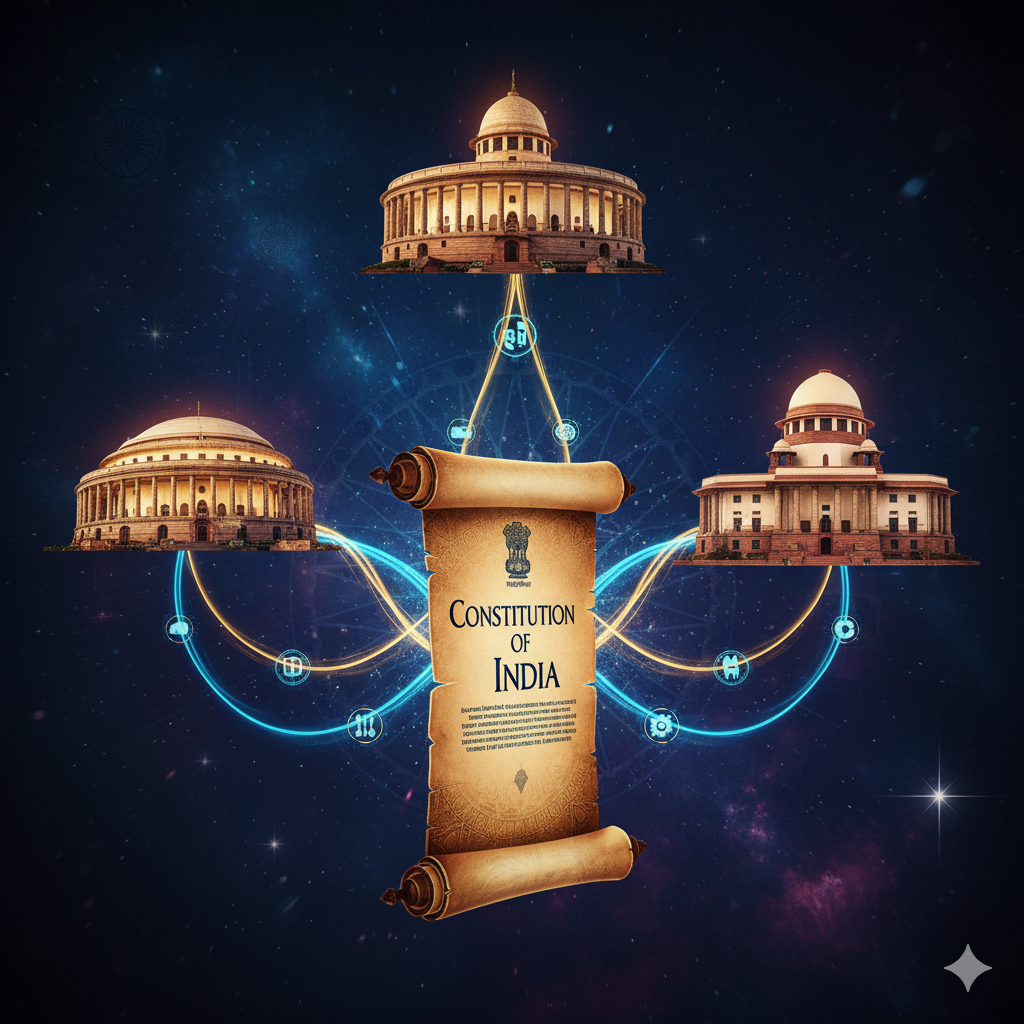
This Supreme Court judgment reviewed the Governor’s use of discretionary powers in summoning an assembly session and whether such actions are immune from judicial review. The Court held the Governor’s actions unconstitutional because they bypassed the Council of Ministers and violated Articles 163 and 174. The Court also held that a Speaker should not decide disqualification when an impeachment/no-confidence process is pending.
Video Explainer
Issues
- Was the Governor’s preponement of the Assembly session constitutional?
- Can the Speaker decide disqualification while an impeachment/no-confidence motion is pending?
- Are certain Governor actions immune from judicial review under Article 163(2)?
Rules & Articles
Key provisions: Article 163 (Governor’s aid and advice), Article 174 (summoning of the Assembly). Principle: Governor normally acts on aid and advice of Council of Ministers; discretionary powers are limited and subject to judicial review.
Facts (Timeline)

- 2011: Arunachal Pradesh election — Congress forms government.
- 2015 (till Nov): Political instability — many MLAs withdraw support.
- 19 Nov 2015: 13 MLAs write to Governor expressing dissatisfaction.
- Dec 2015: Governor advances Assembly session from Jan 14 to Dec 16 and removes Speaker; Deputy Speaker cancels disqualification of 14 MLAs.
- High Court: Gauhati High Court upheld Governor actions; matter went to Supreme Court.
- Supreme Court: Five-judge bench heard the appeal and quashed the Governor’s orders.
Arguments
Petitioners (Speaker/CM side)
- Governor exceeded statutory limits and acted without Council of Ministers’ advice.
- Article 163 cannot be stretched to provide unfettered discretion.
- Speaker cannot disqualify members when impeachment/no-confidence is pending.
Respondent (Governor side)
- Governor’s power to summon sessions under Article 174 includes limited discretion.
- Article 163(2) argued to protect some Governor decisions from review.
- Summoning and related actions were within constitutional boundaries per Respondent.
Judgment

The five-judge Constitutional bench quashed the Governor’s order dated 9 December 2015. The Court held that the Governor cannot summon or advance the Assembly session without consulting the Chief Minister and the Council of Ministers. The Court clarified that the Governor’s discretionary powers are limited and not immune from judicial review. It also held that a Speaker deciding disqualification while impeachment/no-confidence process is pending is constitutionally problematic.
Ratio
Governor’s acts that affect democratic processes must ordinarily be on aid and advice of the Council of Ministers; discretionary acts are narrow and reviewable. Speaker cannot use disqualification power to pre-empt an impeachment or no-confidence process.
Why It Matters
This case draws clear limits around the Governor’s role in state politics. It reinforces parliamentary principle that real executive power rests with elected ministers and strengthens judicial oversight against executive overreach.
Key Takeaways
- Governor’s discretion is limited and reviewable.
- Summoning an Assembly normally requires Cabinet advice.
- Speaker should avoid deciding disqualifications during impeachment/no-confidence motion.
Mnemonic + 3-Step Hook
Mnemonic: GOV-REVIEW-SPEAK — Governor limited, Reviewable, Speaker limited.
3-Step Hook for classroom: 1) Identify who acted (Governor). 2) Ask whether aid & advice was followed. 3) Test if judicial review applies. Easy, repeatable steps for students.
IRAC Outline
Issue: Was the Governor’s preponement valid and immune from review?
Rule: Articles 163 & 174; Governor acts on aid and advice; judicial review applies.
Application: Governor acted without Council of Ministers’ consultation; Speaker’s actions interfered with democratic process.
Conclusion: Governor’s actions quashed; Speaker’s approach constrained.
Glossary
- Aid and Advice
- Formal guidance provided by the Council of Ministers to the Governor.
- Discretionary Power
- Power that may be exercised without ministerial advice but is limited by law.
- Impeachment Motion
- Legislative procedure to remove Speaker from office.
FAQs































































Popular & Recent Post































Comment
Nothing for now