

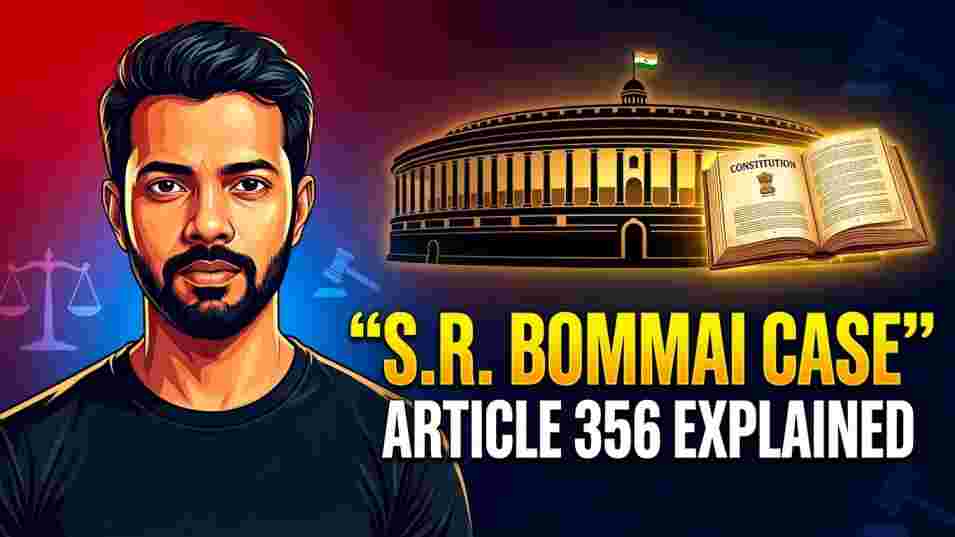
S.R. Bommai v. Union of India (1994)
A student-friendly, classroom-style explainer of the landmark Supreme Court judgment on Article 356, President’s Rule, federalism, judicial review and secularism. Perfect for quick revision and exam preparation.

PRIMARY_KEYWORDS: S.R. Bommai case, Article 356, President's Rule, judicial review
SECONDARY_KEYWORDS: federalism, secularism, Governor's powers, Supreme Court guidelines
SLUG: sr-bommai-v-union-of-india-1994
Video: Intro, Facts, Provisions & Issues
Quick Summary
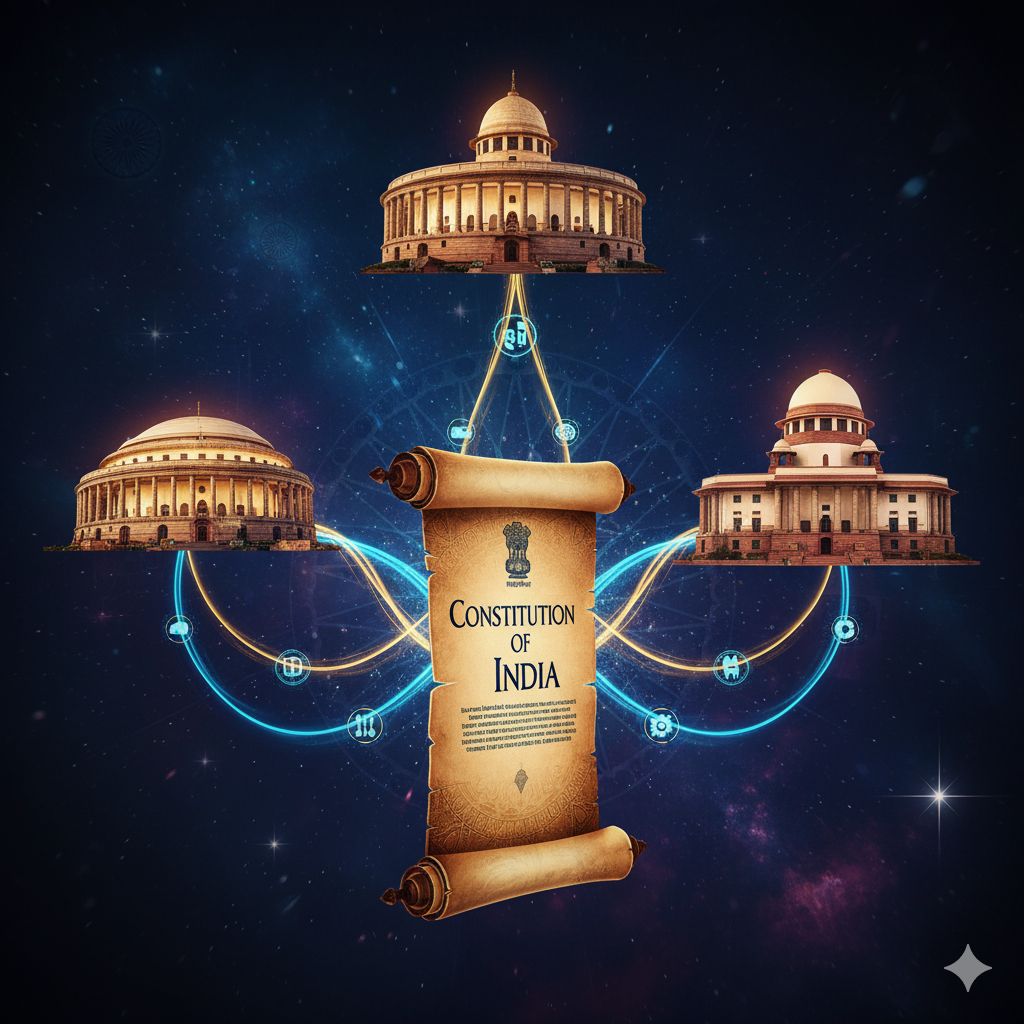
S.R. Bommai v. Union of India (1994) is a landmark decision of the Supreme Court of India on the misuse of Article 356 of the Constitution (President’s Rule in states). The Court said that:
- President’s Rule cannot be used as a political weapon to topple state governments.
- The Governor should normally order a floor test in the Assembly, not act only on letters or rumours.
- The President’s satisfaction under Article 356 is not absolute; it is open to judicial review.
- Secularism is a basic feature of the Constitution, and non-secular state actions can justify central intervention.
- If a proclamation is unconstitutional, courts can even restore the dismissed government and Assembly.
In short, this case placed strong brakes on the misuse of Article 356 and protected Indian federalism and democracy.
Issues Before the Court
The Supreme Court framed a few key questions in simple terms:
- Was there real, reliable material before the President to conclude that the Bommai government in Karnataka was not working according to the Constitution?
- Is the President’s satisfaction under Article 356 unlimited? Or can courts check whether it is based on proper reasons and facts?
- How far can courts go in judicial review? Can they just look at the process, or can they also look at the material and even restore the government?
- What is the role of secularism? Can non-secular actions of a state government be a valid ground to impose President’s Rule?
These issues were examined not only for Karnataka but also for Meghalaya, Nagaland, Madhya Pradesh, Rajasthan and Himachal Pradesh, where similar proclamations were under challenge.
Rules & Constitutional Provisions
The Court mainly interpreted the following provisions:
- Article 356 – Allows the President to impose President’s Rule if the government of a state cannot be carried on in accordance with the Constitution.
- Article 74(1) – The President acts on the aid and advice of the Council of Ministers.
- Article 74(2) – Courts cannot ask for the advice itself, but can look at the material on which that advice was based.
- Section 123, Indian Evidence Act – Gives privilege to unpublished official records, but the Court can decide whether such privilege is rightly claimed.
- Representation of the People Act (Secularism angle) – Use of religion for electoral gains is treated as a corrupt practice, supporting the idea that India is a secular state.
These rules helped the Court decide when Article 356 is valid, what material is needed, and how far judges can check the President’s decision.
Facts – Timeline Story
The story of the case starts in Karnataka but soon becomes a national constitutional drama.

What began as a dispute over numbers in one state finally led to a constitutional rule-book for the whole country on how Article 356 should be used.
Arguments – Appellants vs Respondents
Appellants (Bommai & others)
- The Governor acted in haste and did not allow a floor test, which is the proper way to check majority.
- The report was based on uncertain letters and political rumours, not on reliable material.
- Imposing President’s Rule in this way violates federalism and the people’s mandate in Karnataka.
- The President’s decision under Article 356 must be open to judicial review; otherwise the Centre can dismiss any state government at will.
- Courts should have the power to restore the dismissed government if the proclamation is unconstitutional.
Respondents (Union of India)
- Article 356 gives the President a wide, political discretion; courts should not sit in appeal over this satisfaction.
- The Governor’s report showed that the government had lost majority, so immediate action was necessary.
- Judicial review, if any, should be very limited, only to check extreme mala fides, not to re-evaluate political material.
- Once the Assembly is dissolved and fresh elections are held, the matter becomes academic and the court should not interfere.
- In states where secularism was openly violated, President’s Rule was justified to protect the basic structure.
Judgment – What Did the Supreme Court Decide?
The nine-judge Bench delivered a historic judgment that shaped how Article 356 can be used. The key findings were:
- The President’s satisfaction under Article 356 is not beyond judicial review.
- Courts can examine whether there was relevant and sufficient material to justify the proclamation.
- In Karnataka, Meghalaya and Nagaland, the Court found the use of Article 356 to be invalid because there was no proper floor test and the Governors acted in undue haste.
- In Madhya Pradesh, Rajasthan and Himachal Pradesh, the Court upheld President’s Rule, mainly because the governments were seen as acting against secular values after the Babri Masjid demolition.
- If a proclamation is struck down, the Court can revive the dismissed government and Assembly.

The judgment turned Article 356 from a political weapon into a constitutional emergency power with strict checks.
Ratio – Core Legal Principles
-
Judicial Review of Article 356:
The President’s satisfaction is not absolute. Courts can review:
- Whether there is objective material to support the proclamation.
- Whether the material is relevant and not mala fide.
- Floor Test as the Rule: The proper place to test majority is the floor of the Assembly, not the Governor’s office. Letters and rumours cannot replace a floor test.
- Secularism as Basic Feature: Secularism is part of the basic structure of the Constitution. If a state openly acts against secularism, Article 356 may be validly used.
- Restoration of Government: If the court finds the proclamation unconstitutional, it can restore the dismissed ministry and Assembly.
- Limited but Real Review: Courts will not judge political wisdom but will ensure that constitutional boundaries are not crossed.
These principles together form the ratio decidendi of the Bommai case and guide all future use of Article 356.
Why This Case Matters
The S.R. Bommai judgment is often called the “Constitutional Shield against misuse of President’s Rule”. It matters because:
- It protects federalism by stopping the Centre from dismissing state governments for purely political reasons.
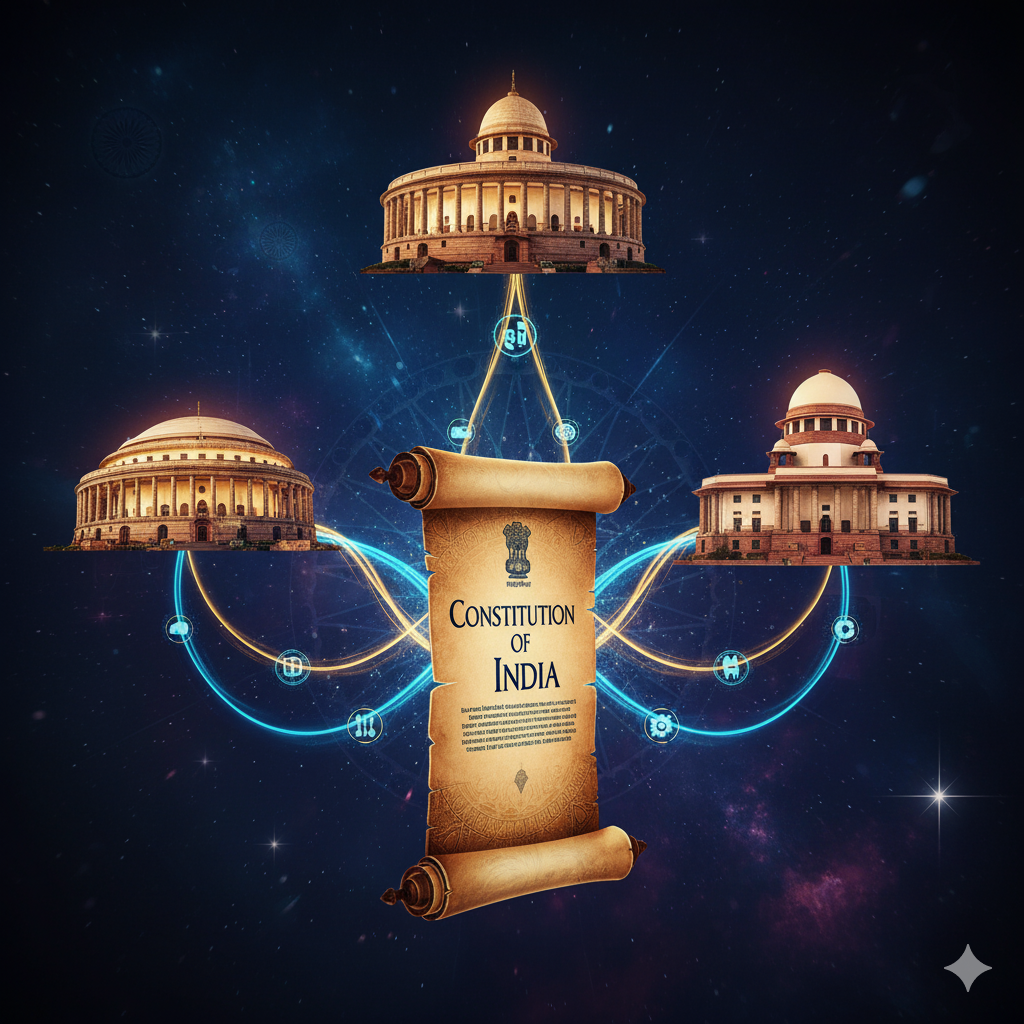
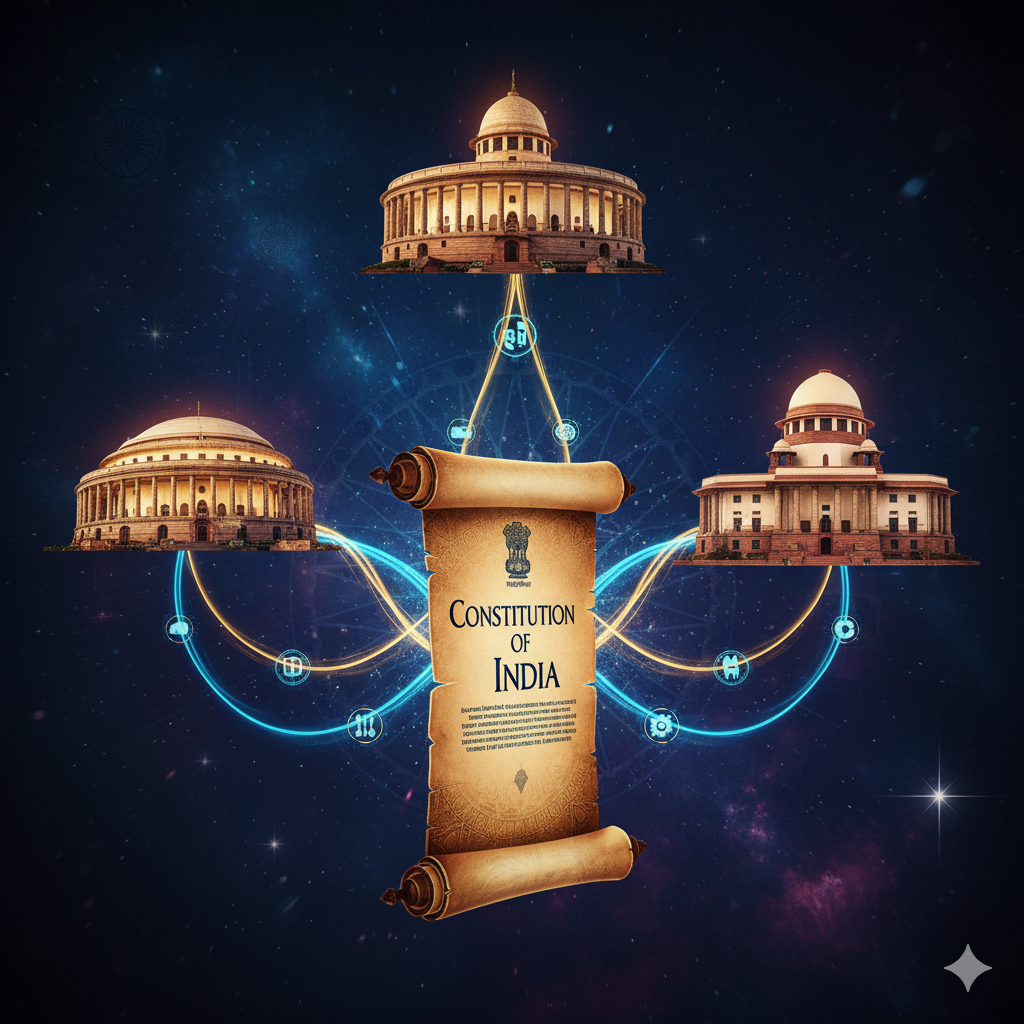
- It strengthens judicial review, showing that even emergency powers are under the Constitution, not above it.
- It gives respect to democratic processes like floor tests, instead of backroom calculations and Governor’s doubts.
- It firmly declares secularism as a non-negotiable basic feature of the Indian Constitution.
- It reassures citizens that elected governments cannot be removed casually.
For students and lawyers, Bommai is a must-know case for Article 356, federalism, secularism and basic structure questions.
Key Takeaways for Exams
- Article 356 power is conditional and reviewable, not absolute.
- Floor test is the golden rule to decide majority in the Assembly.
- Governor should not bypass the House based only on letters or shifting political claims.
- Courts can examine material behind the President’s satisfaction (but not the advice itself).
- Secularism is a basic feature; non-secular state actions can justify Article 356.
- Courts can restore the dismissed government and Assembly if the proclamation is invalid.
- Bommai is a leading case for federalism, basic structure and emergency powers.
Mnemonic & 3-Step Memory Hook
Mnemonic: BOMMAI = Break On Misuse, Make Assembly Important
- Break On Misuse – Court breaks misuse of Article 356.
- Make Assembly Important – Floor test in Assembly is the rule.
- India’s Integrity – Federalism and secularism are protected.
3-Step Hook: “Governor, Ground, Guardian”
- Governor – Cannot act only on letters; must act fairly and recommend floor test first.
- Ground – President’s Rule needs solid ground: relevant, objective material that can be reviewed by courts.
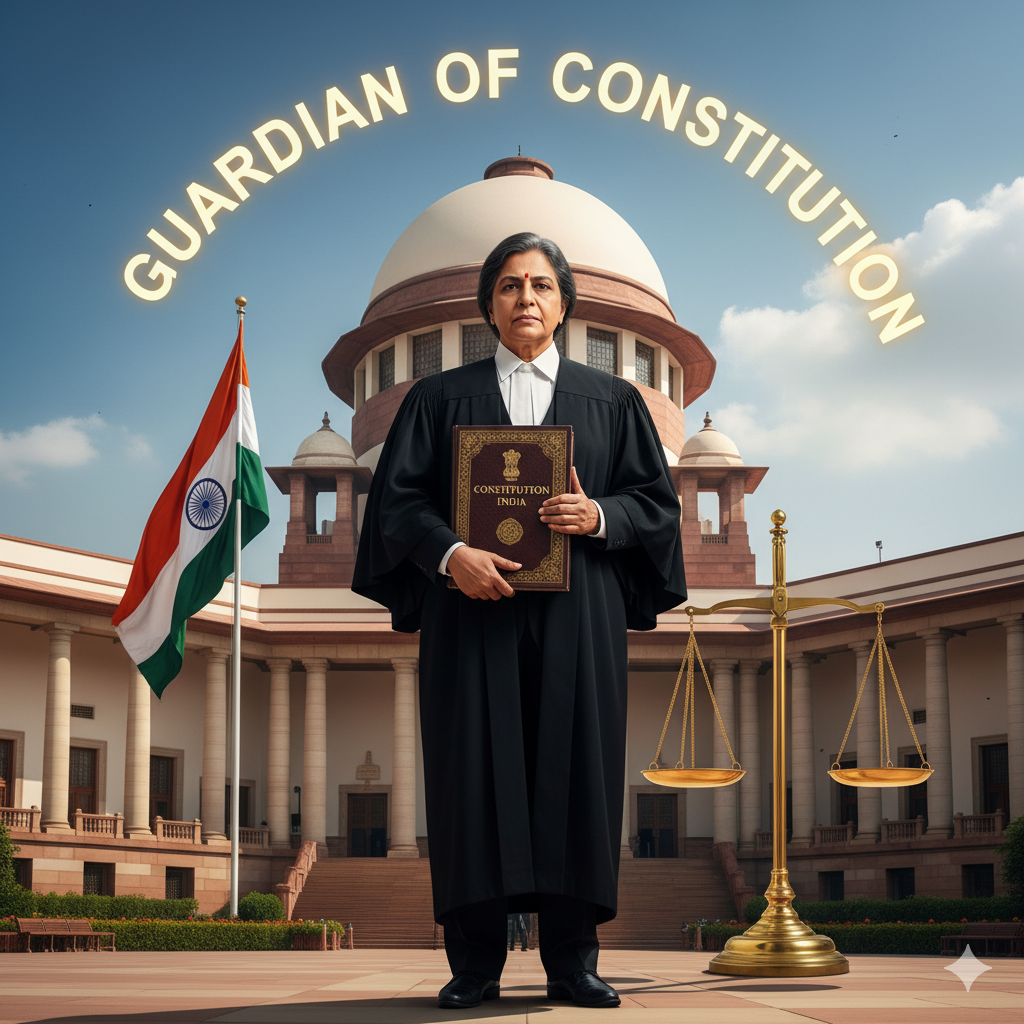
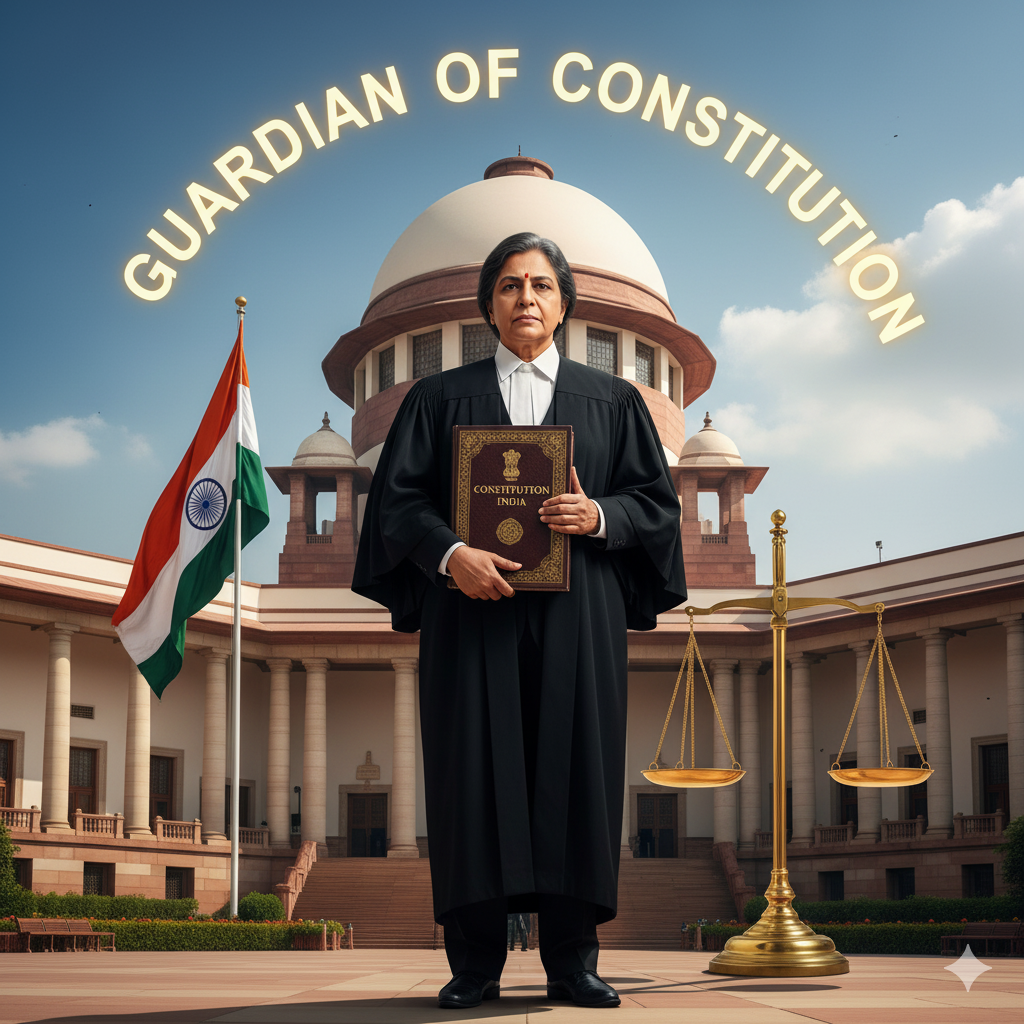
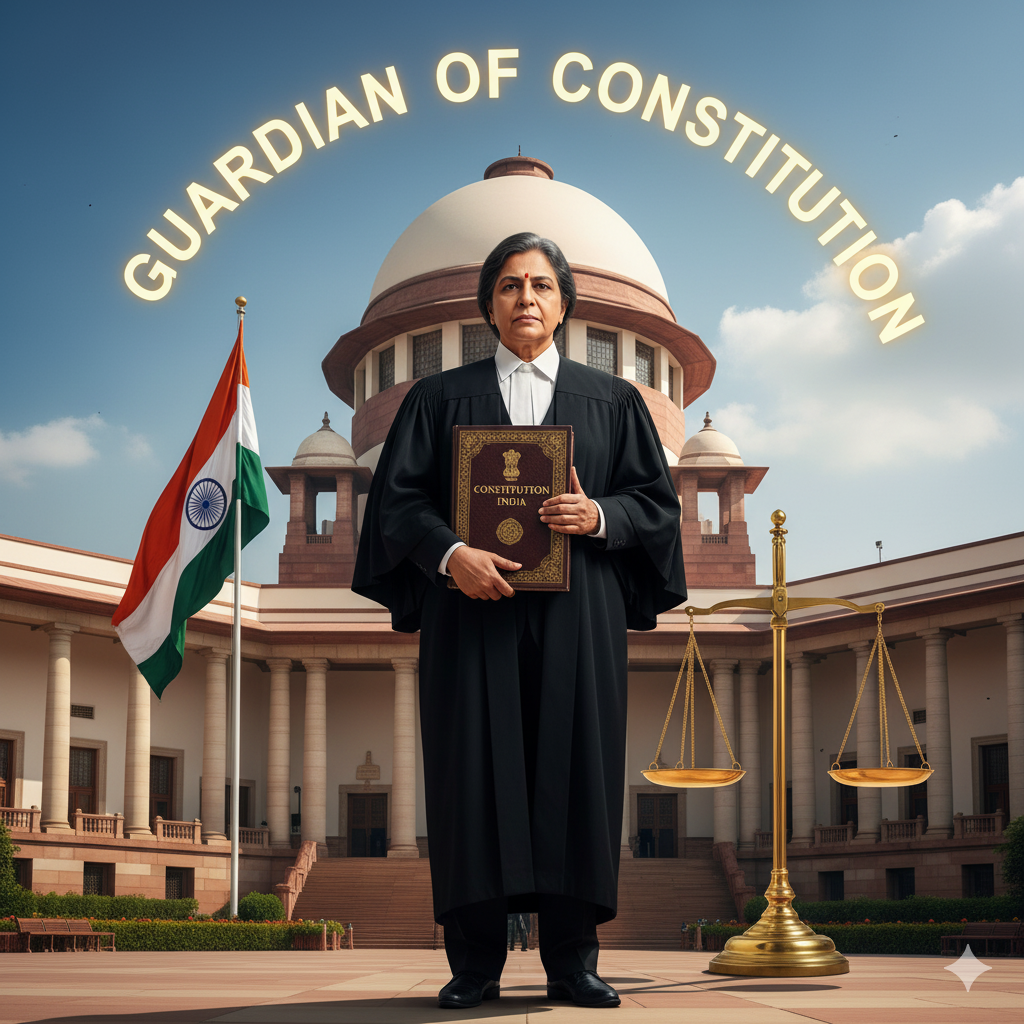
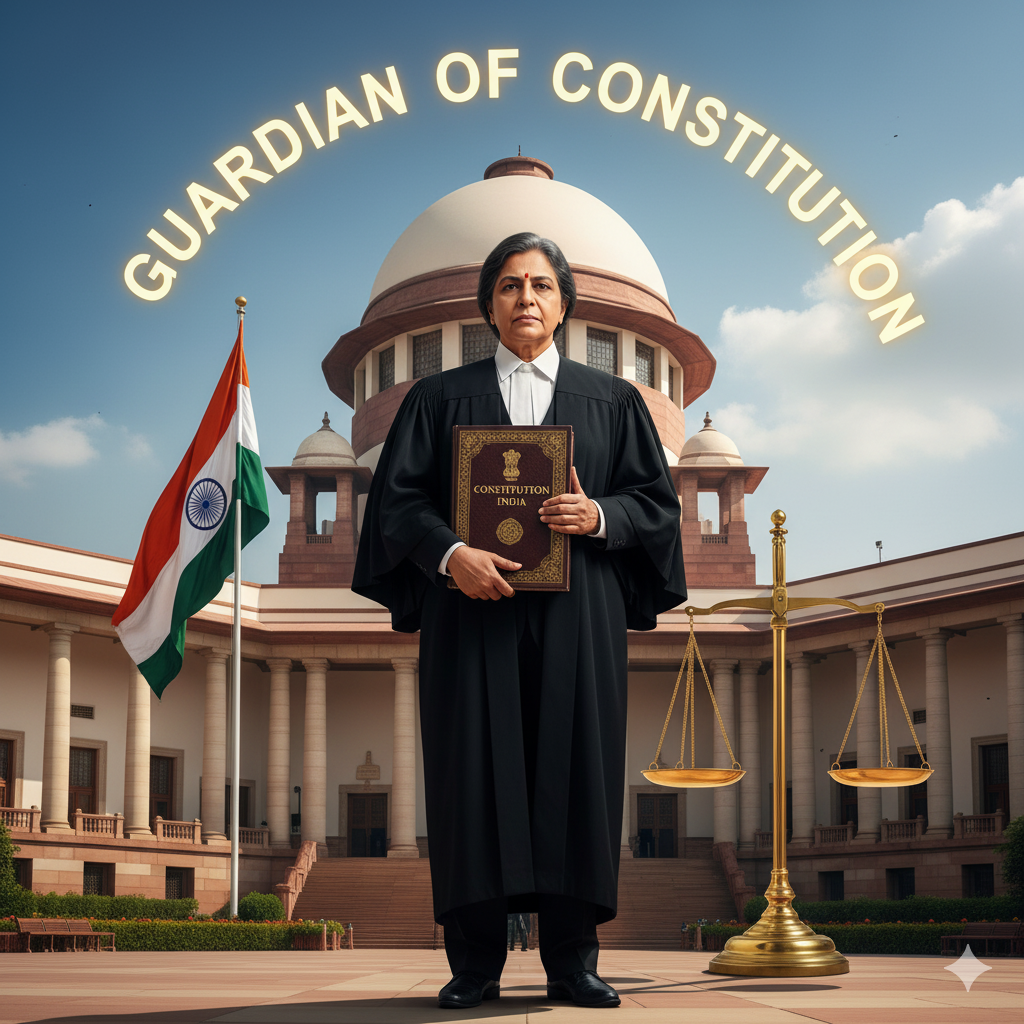
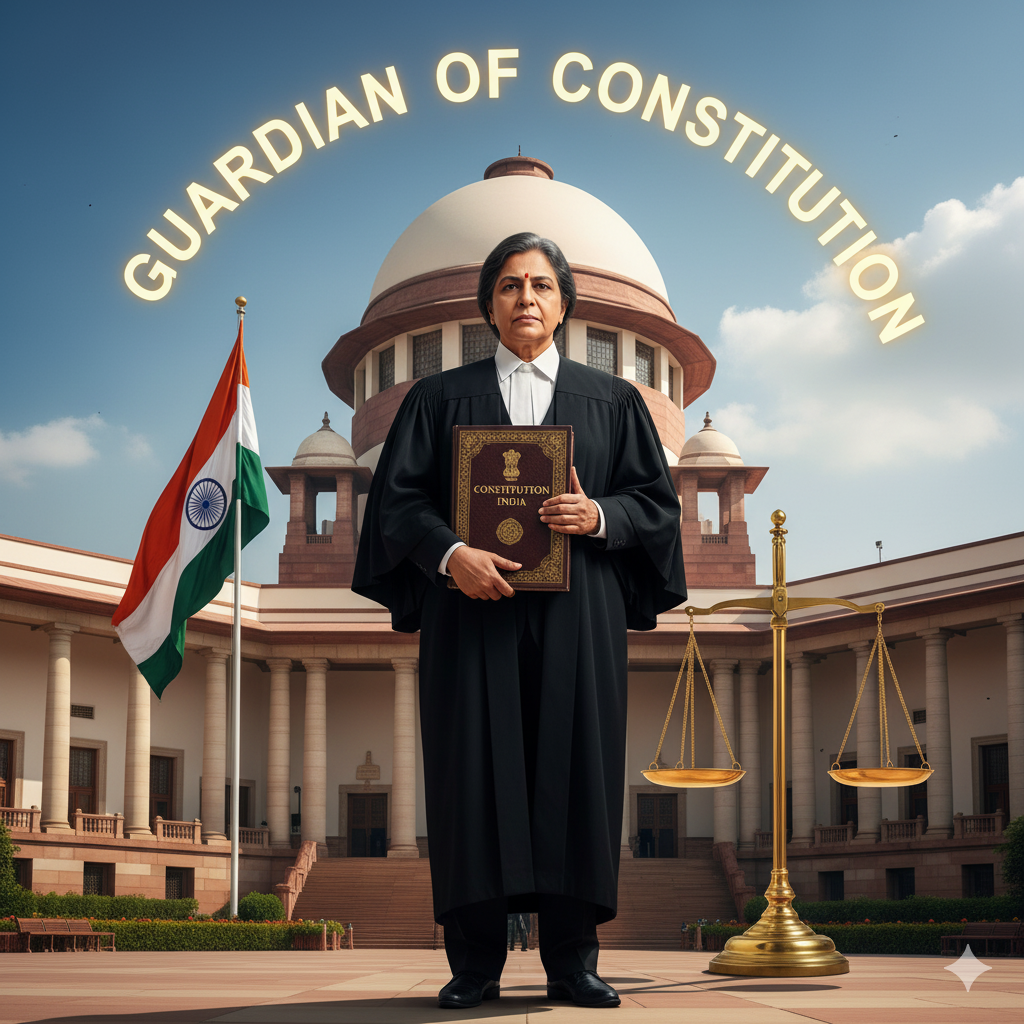
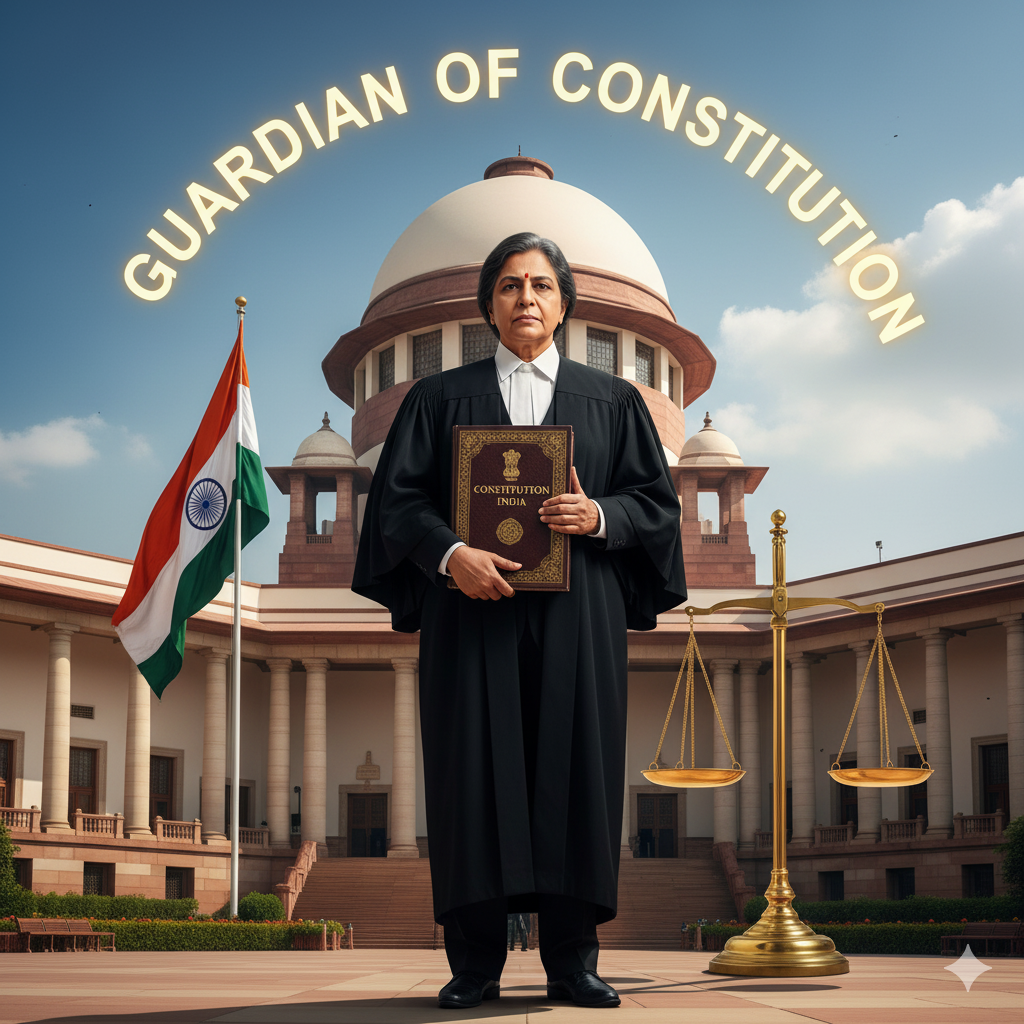
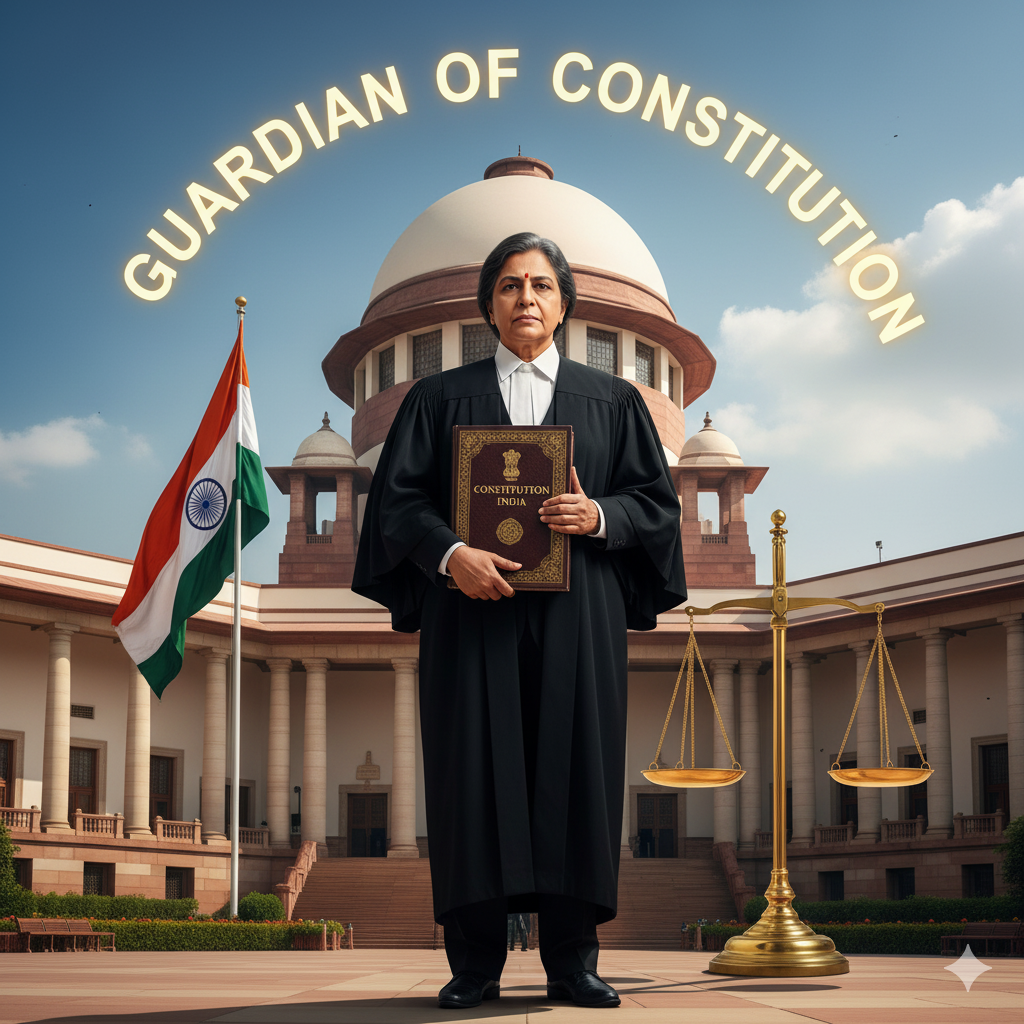
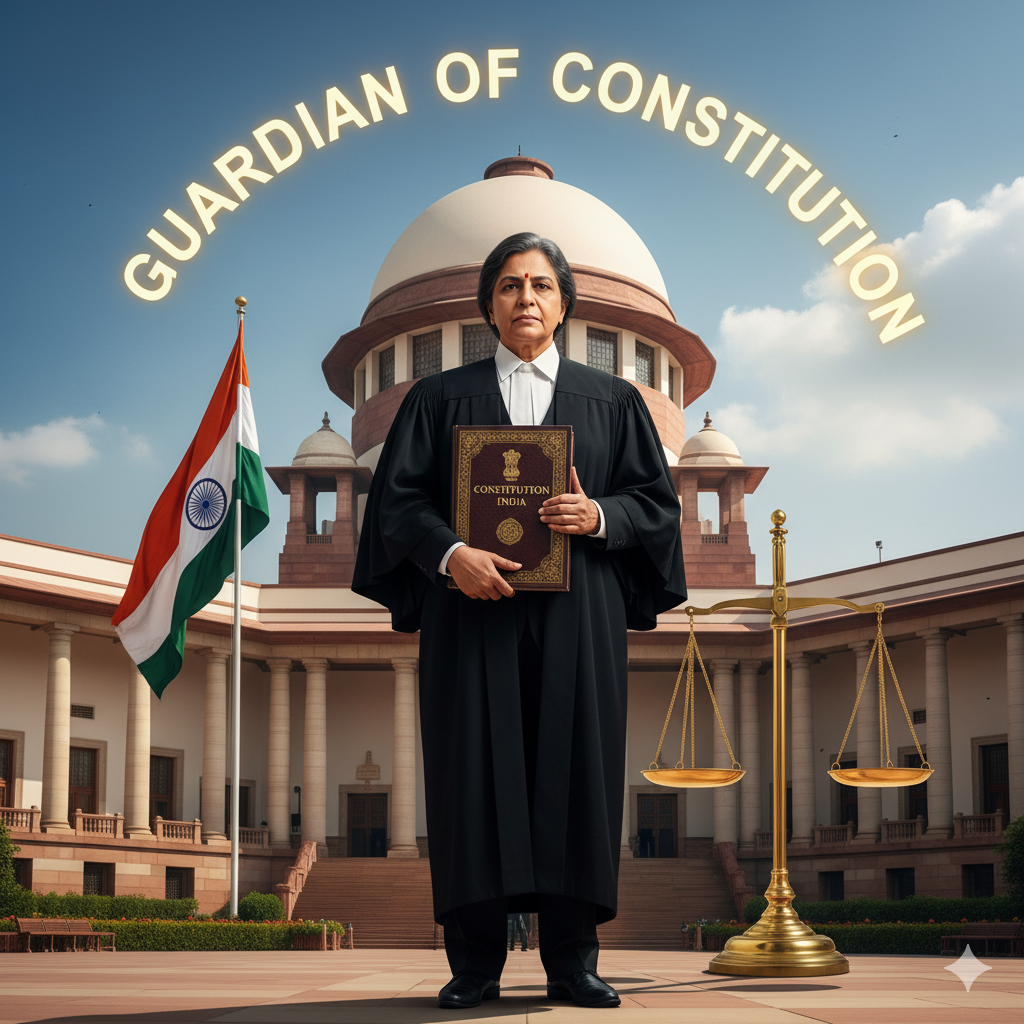
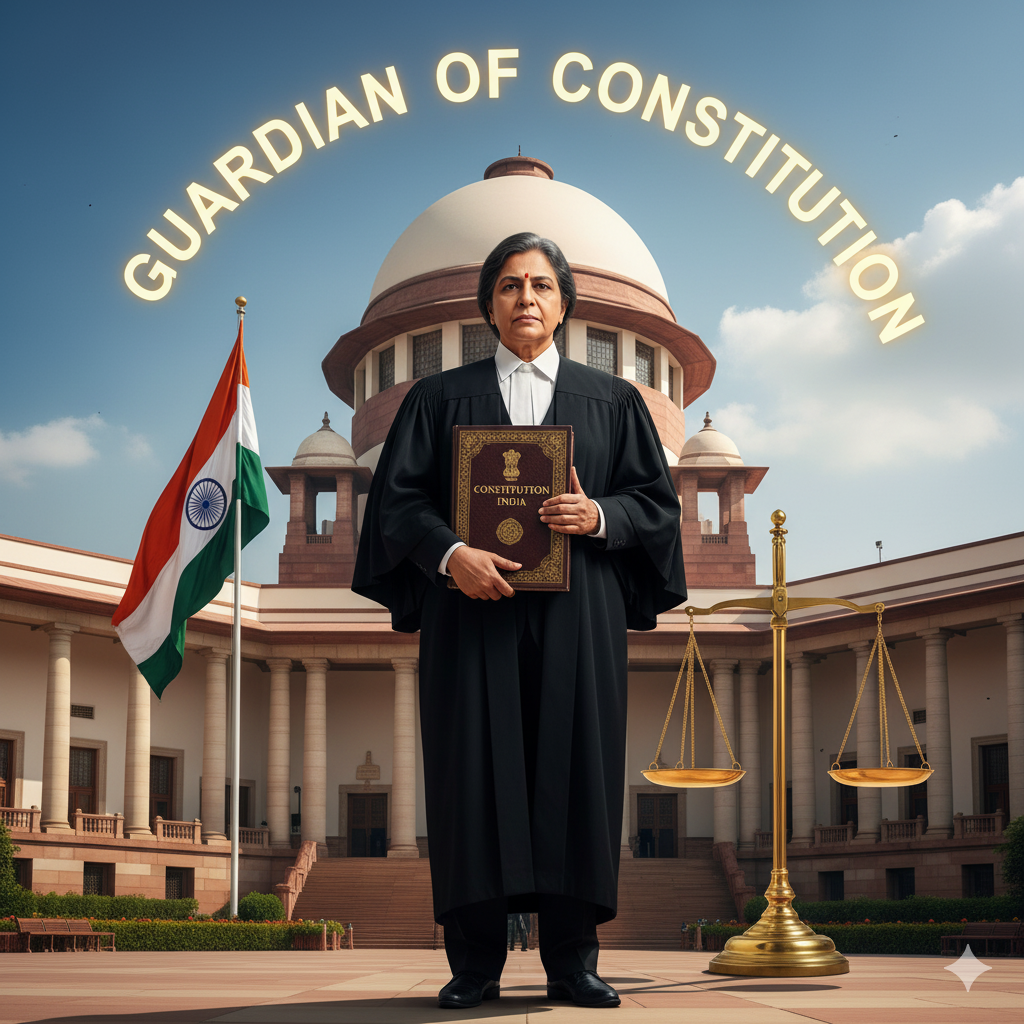
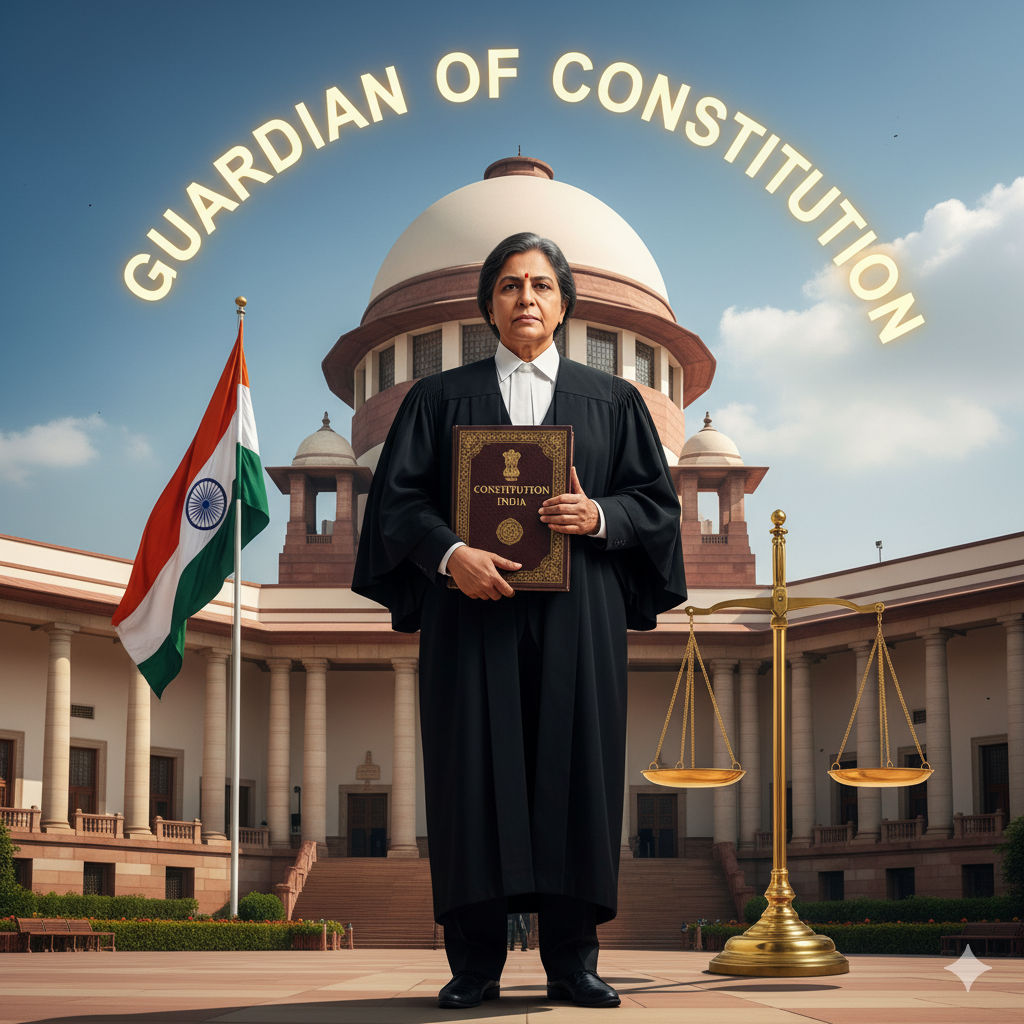
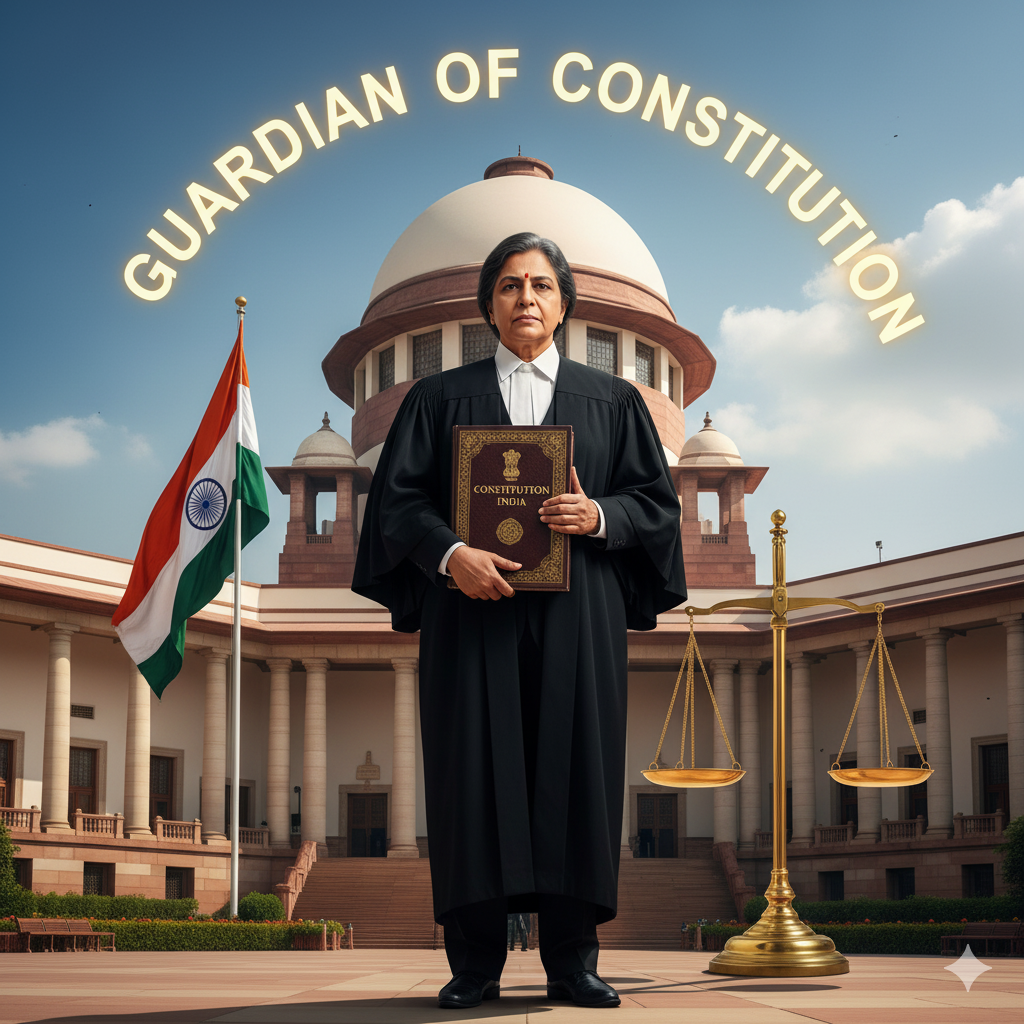
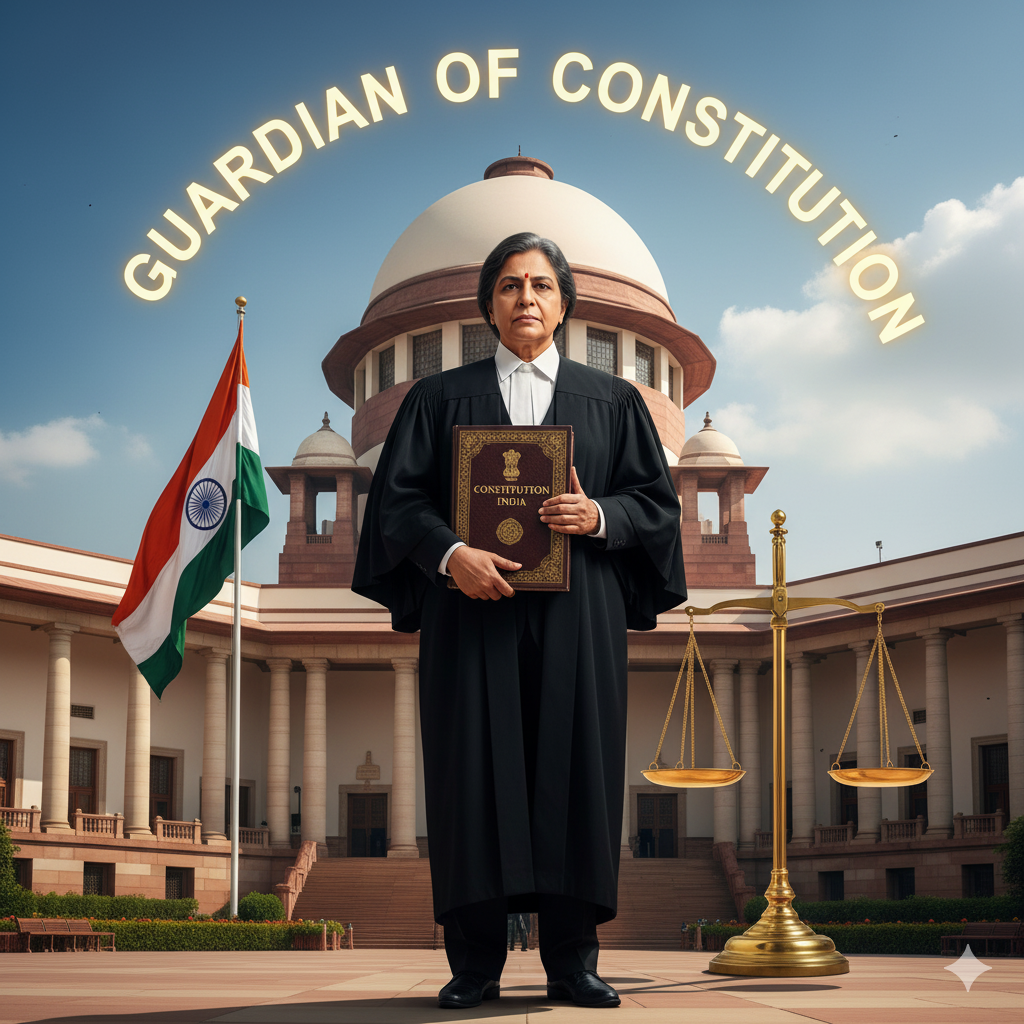
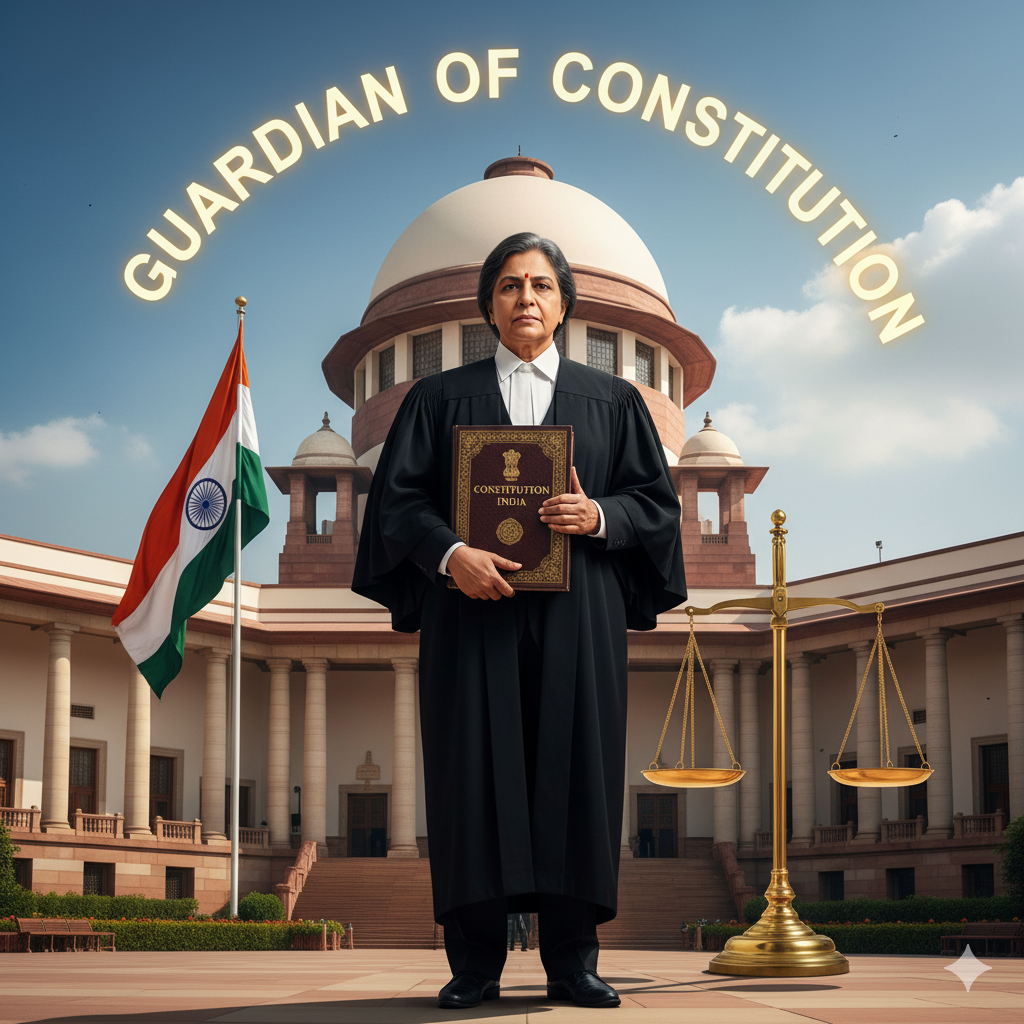
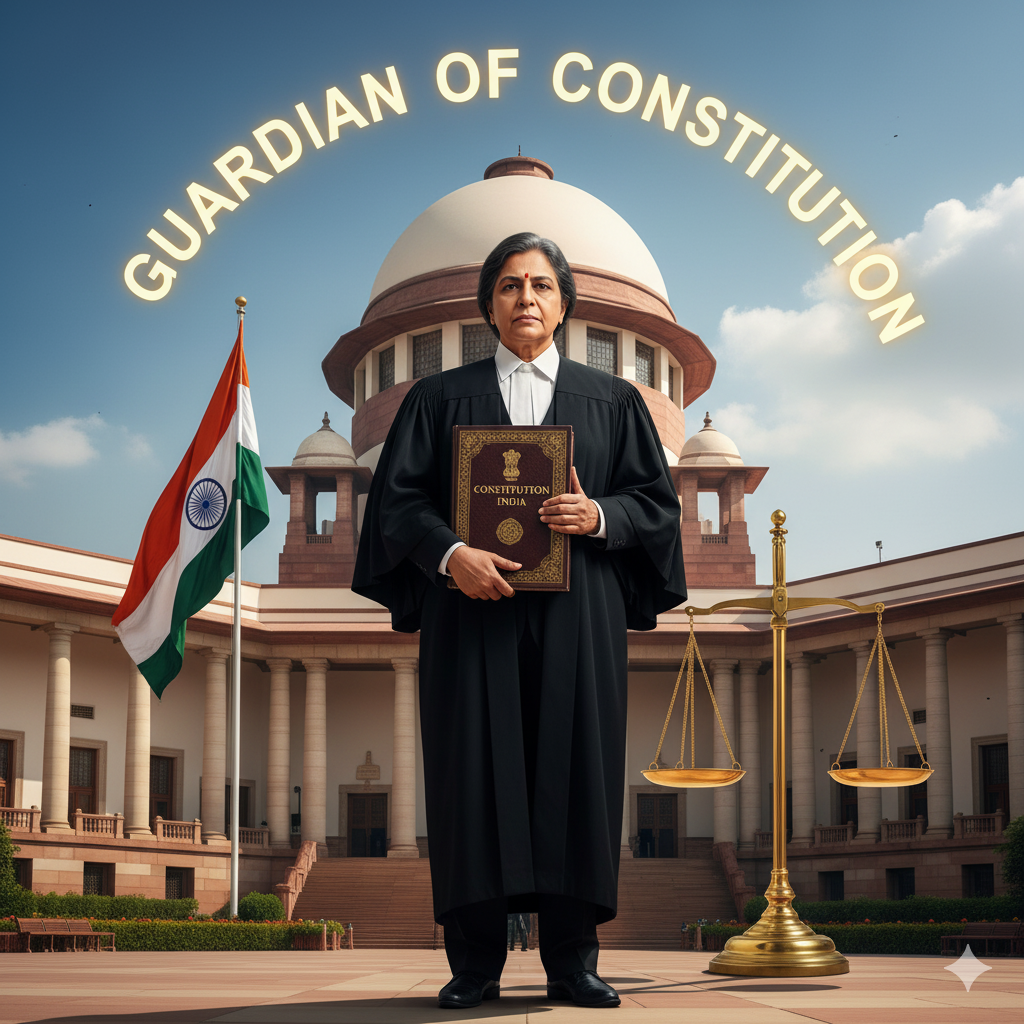
- Guardian – Supreme Court acts as guardian of the Constitution, checking misuse and restoring governments when needed.
IRAC Outline – S.R. Bommai Case
Whether the President’s proclamation under Article 356, based mainly on the Governor’s report, is subject to judicial review, and whether the dissolutions of state governments in Karnataka and other states were constitutional.
Article 356 can be used only when the government of a state cannot be carried on according to the Constitution. The President acts on the Council of Ministers’ advice (Art. 74), but courts can examine the material behind the satisfaction. Secularism is a basic feature.
In Karnataka, Meghalaya and Nagaland, the Governor’s reports were found weak, hasty and not properly tested through a floor test. Therefore, President’s Rule there was invalid. In Madhya Pradesh, Rajasthan and Himachal Pradesh, the Court felt that the non-secular conduct of the governments justified action.
The Court held that Article 356 is justiciable; misuse can be checked by courts; floor tests are the normal rule for testing majority; and unconstitutional proclamations can be struck down, with restoration of the government and Assembly.
Glossary – Student-Friendly Terms
- Article 356
- Provision that allows the President to impose President’s Rule in a state when the state government cannot be carried on in accordance with the Constitution.
- President’s Rule
- Situation in which the President takes over the functions of the state government and the state is run by the Centre, usually through the Governor.
- Floor Test
- A vote held on the floor of the Legislative Assembly to clearly show whether the Chief Minister still has the support of the majority of MLAs.
- Judicial Review
- Power of courts to examine whether actions of the government are within the limits of the Constitution and the law.
- Basic Structure
- Core features of the Constitution that cannot be destroyed even by constitutional amendments, such as democracy, federalism and secularism.
- Secularism
- Principle that the state does not favour or promote any particular religion and treats all religions with equal respect.
FAQs – Quick Student Doubts
Is the Governor’s report final in matters of Article 356?
No. The S.R. Bommai case makes it clear that the Governor’s report is not sacred or final. Courts can examine whether the report is based on proper facts and whether a floor test was unfairly denied.
Does the Bommai judgment completely stop the use of Article 356?
It does not completely stop the use of Article 356, but it disciplines it. The Centre can still act in genuine constitutional breakdown situations, but cannot use Article 356 as a tool for party politics.
How should I remember Bommai for exam answers?
Remember the 3 key words: “Floor Test – Judicial Review – Secularism”. If you mention these with short explanations, your Bommai-based answer will look strong and structured.
Can Bommai be used in questions on basic structure doctrine?
Yes. The judgment clearly treats secularism as a basic feature. So it is useful not only for Article 356 but also for answers on basic structure, secularism and federalism.




























































Popular & Recent Post



























Comment
Nothing for now