

Neemabai v. Gyanbai & Others (1993)

Quick Summary
Neemabai v. Gyanbai & Others (1993) says a court cannot pass an ex-parte decree without reasons. Even if the other side stays absent, the plaintiff must prove the case by legal evidence. Under Order 20 Rule 5 CPC, the court should record findings on the issues, with reasons. Here, the trial court skipped reasoned findings, so remand was proper.
Issues
- Was the remand correct because the ex-parte judgment lacked reasoned findings on framed issues?
Rules
- Order 20 Rule 5 CPC: the court should state its decision on each issue with reasons, especially in appealable cases.
- Ex-parte setting: absence of the defendant does not reduce the plaintiff’s burden to prove title, possession, and relief by legal evidence.
Facts (Timeline)

Arguments
Appellant (Plaintiff)
- Decree should stand; evidence was recorded; impleadment was rightly rejected.
- Remand delays justice in a long-running land dispute.
Respondent / Purchaser
- Trial court failed to give reasoned findings issue-wise as CPC requires.
- Without reasons, appellate scrutiny is impossible; remand is necessary.
Judgment
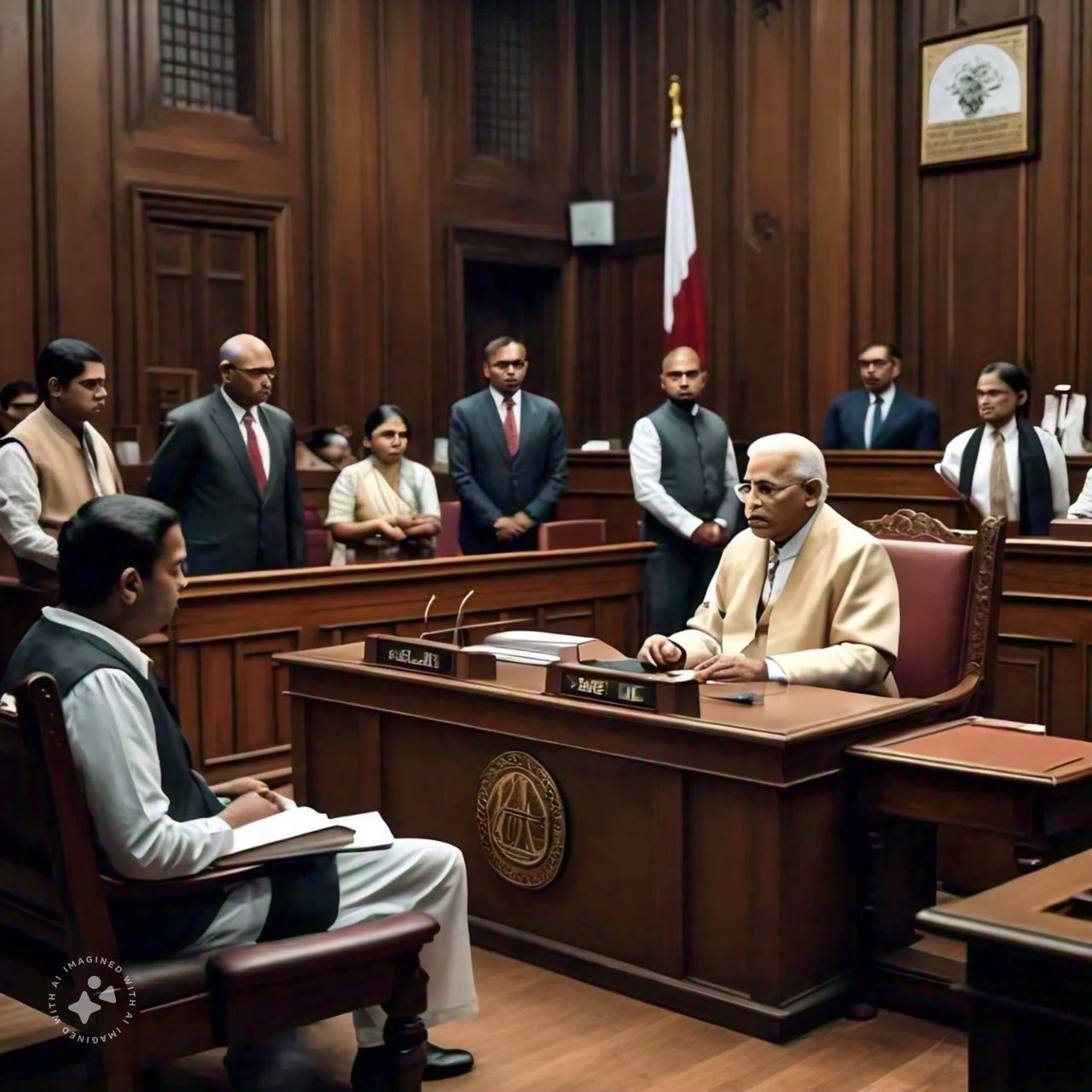
The High Court upheld the remand. It stressed that reasons are essential even in an ex-parte decree. The trial court should have recorded clear findings on title, possession, and other issues framed. Since the judgment violated Order 20 Rule 5 CPC, no interference was warranted.

Ratio
- Even ex-parte, the plaintiff must prove the case by legal evidence.
- Courts must give reasoned findings on the issues framed (O.20 R.5 CPC).
- Reason-writing ensures legality, appeals, and prevents arbitrary outcomes.
Why It Matters
For exams and practice, remember: absence is not admission. Courts still test the plaintiff’s story and must write reasons. This case is a go-to citation for reasoned judgments and proper issue-wise findings.
Key Takeaways
- O.20 R.5 CPC: decide each issue with reasons.
- Ex-parte ≠ automatic win: proof is still needed.
- Appeal readiness: reasons enable proper review.
- Remand is proper when reasons are missing.
Mnemonic + 3-Step Hook
Mnemonic: “EX-PARTE still EXPLAINS” — EX-parte, still EXplain issues and reasons.
- Frame & prove: Frame issues, demand legal proof.
- Write reasons: Record findings issue-wise.
- Enable appeal: Make appellate review possible.
IRAC Outline
Issue: Can an ex-parte decree stand without reasoned findings on framed issues?
Rule: Order 20 Rule 5 CPC requires decisions on issues with reasons; plaintiff must prove the case even ex-parte.
Application: Trial court decreed without separate findings; this blocked proper appellate review.
Conclusion: Remand is justified to secure a reasoned, issue-wise judgment.
Glossary
- Ex-parte Decree
- A decree passed when the defendant does not appear.
- Order 20 Rule 5
- CPC rule asking courts to state decisions on issues with reasons.
- Remand
- Sending a case back to a lower court for fresh decision per law.
- Specific Performance
- A decree directing a party to perform a contract.
FAQs
What did the Court say about ex-parte decrees?
They must still carry reasoned, issue-wise findings based on legal evidence.
Which CPC rule applies?
Order 20 Rule 5 CPC.
Why was remand proper?
The trial court skipped reasons, making appellate review impossible.
Who decided the case?
Justice S. K. Dubey, MP High Court.
What should students remember?
Reasons are mandatory; ex-parte is not automatic victory.

































































Popular & Recent Post
























































































Comment
Nothing for now