

Ajudhia Prasad v. Chandan Lal (AIR 1937 All 610)
Contract with minor • Section 11 ICA • Void ab initio — classroom-style explainer in easy English.

Quick Summary
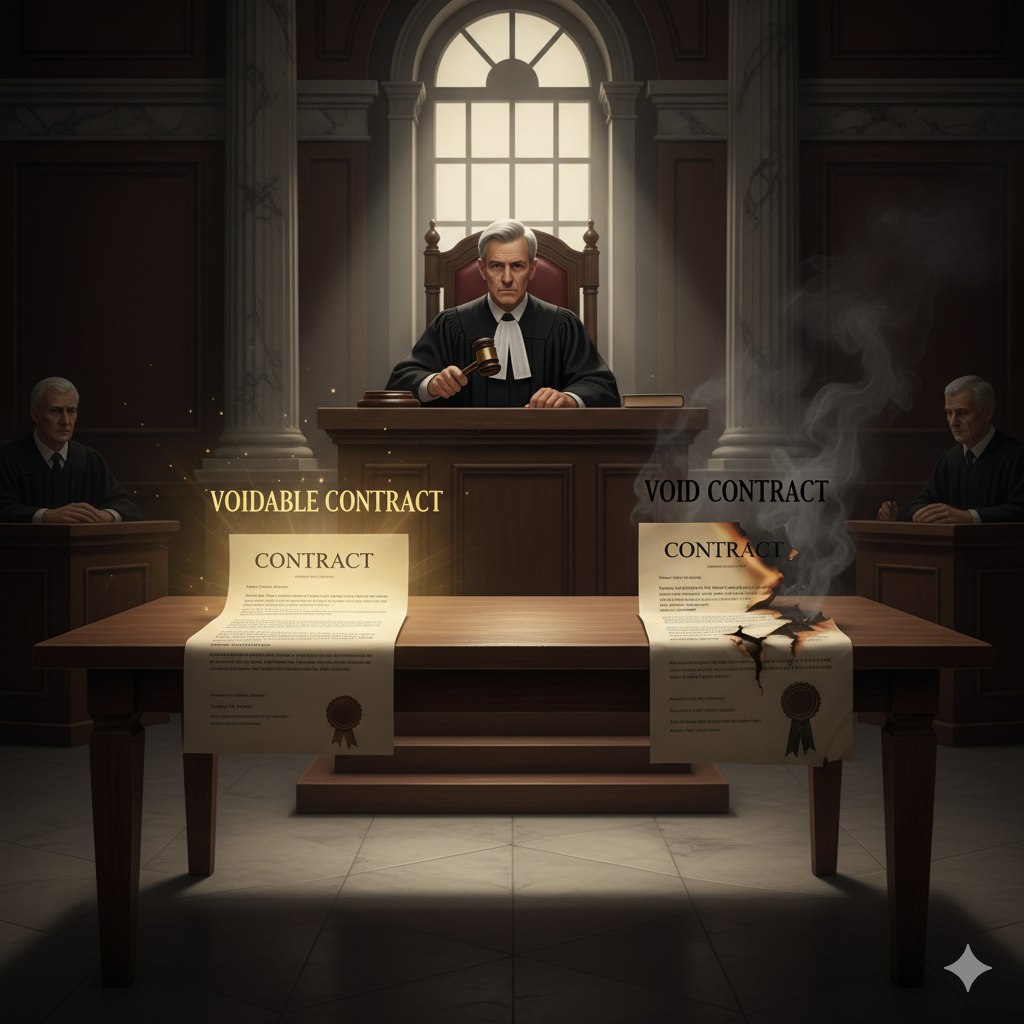
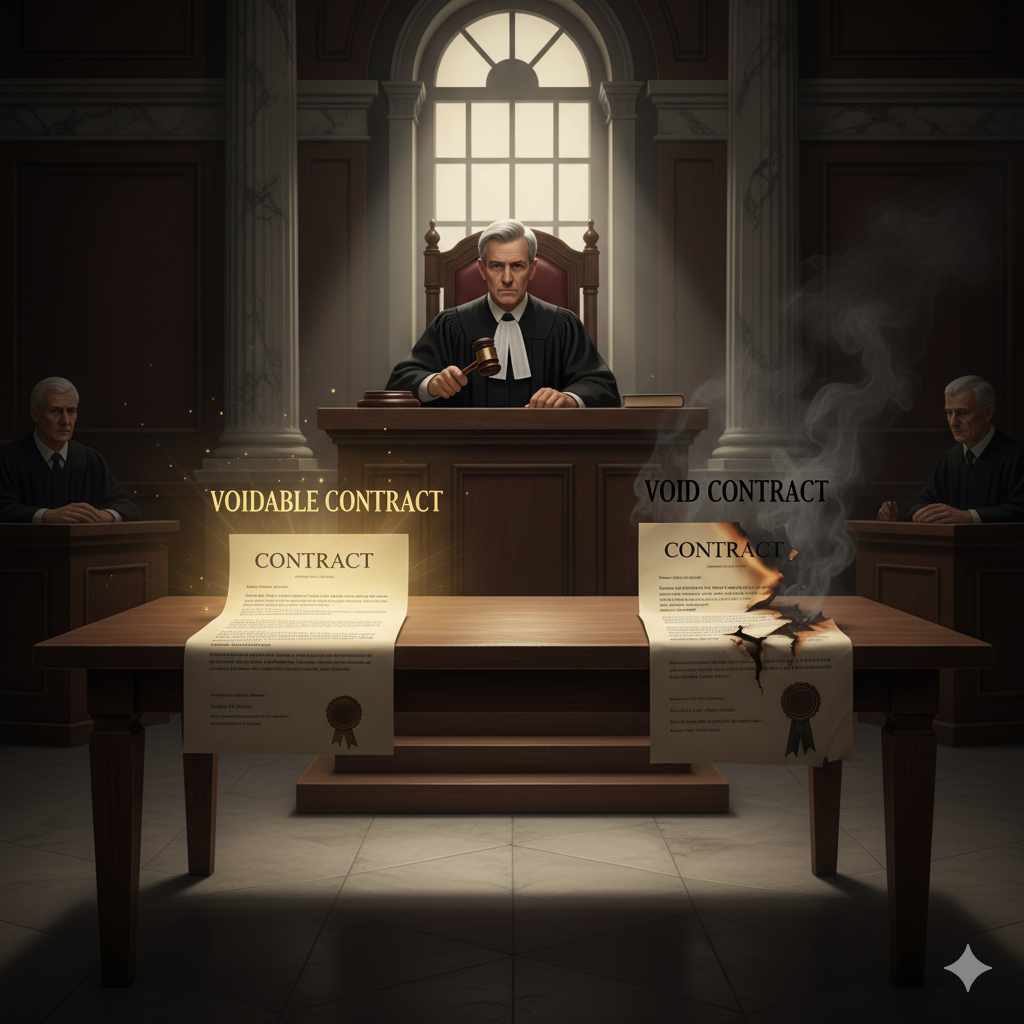
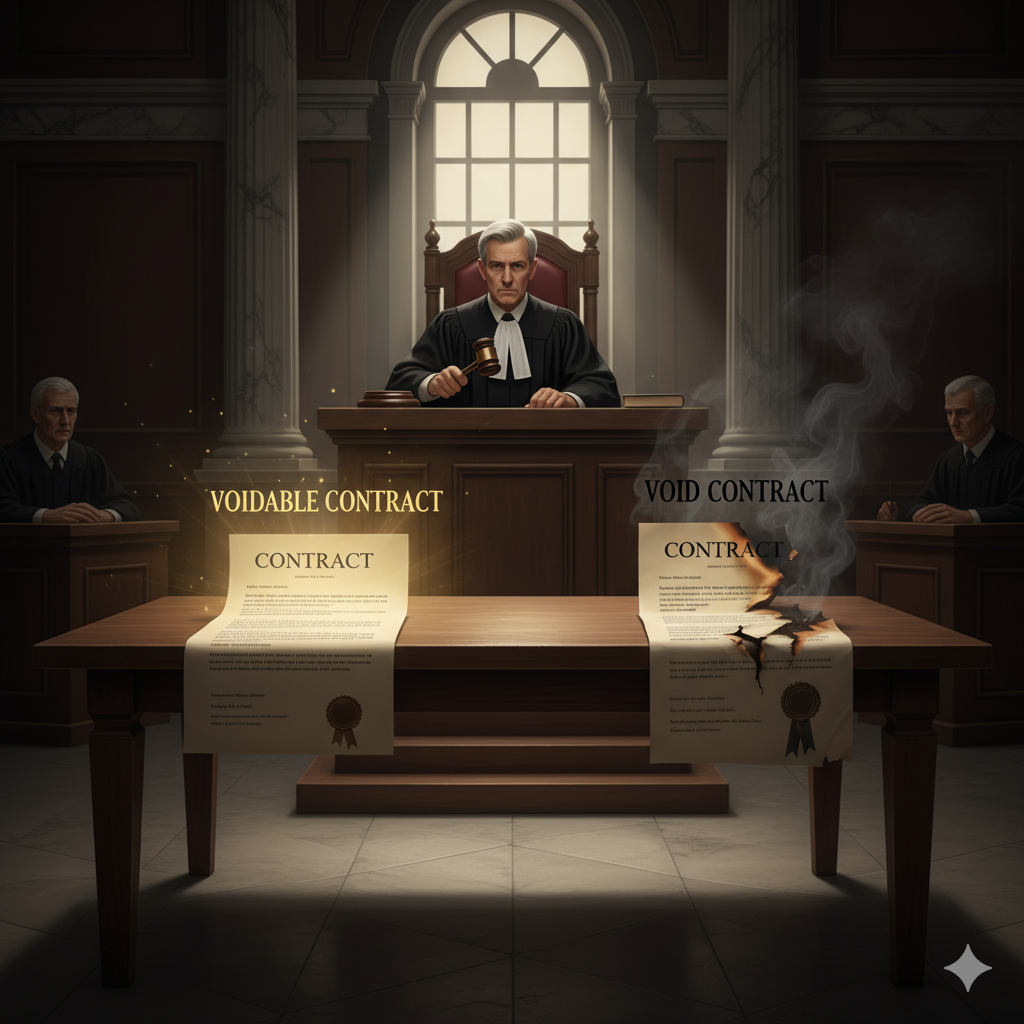
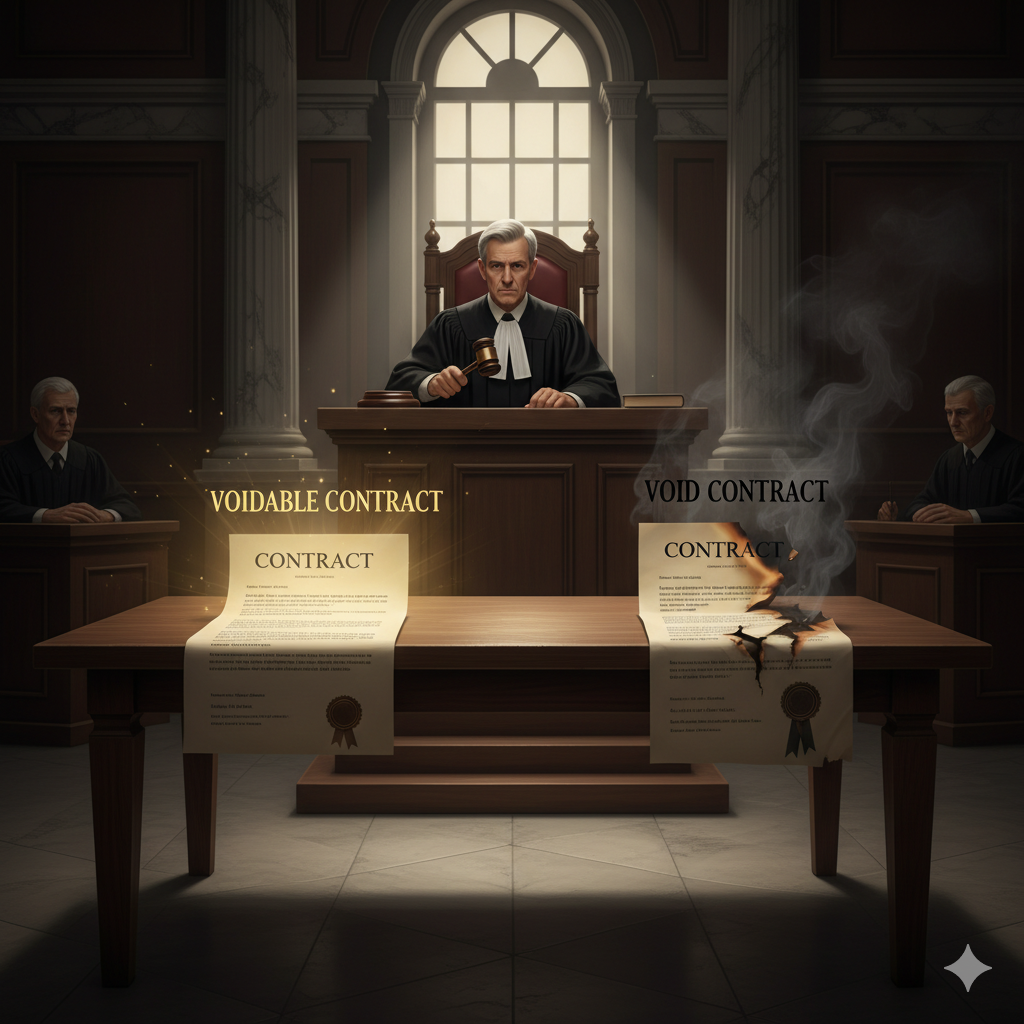
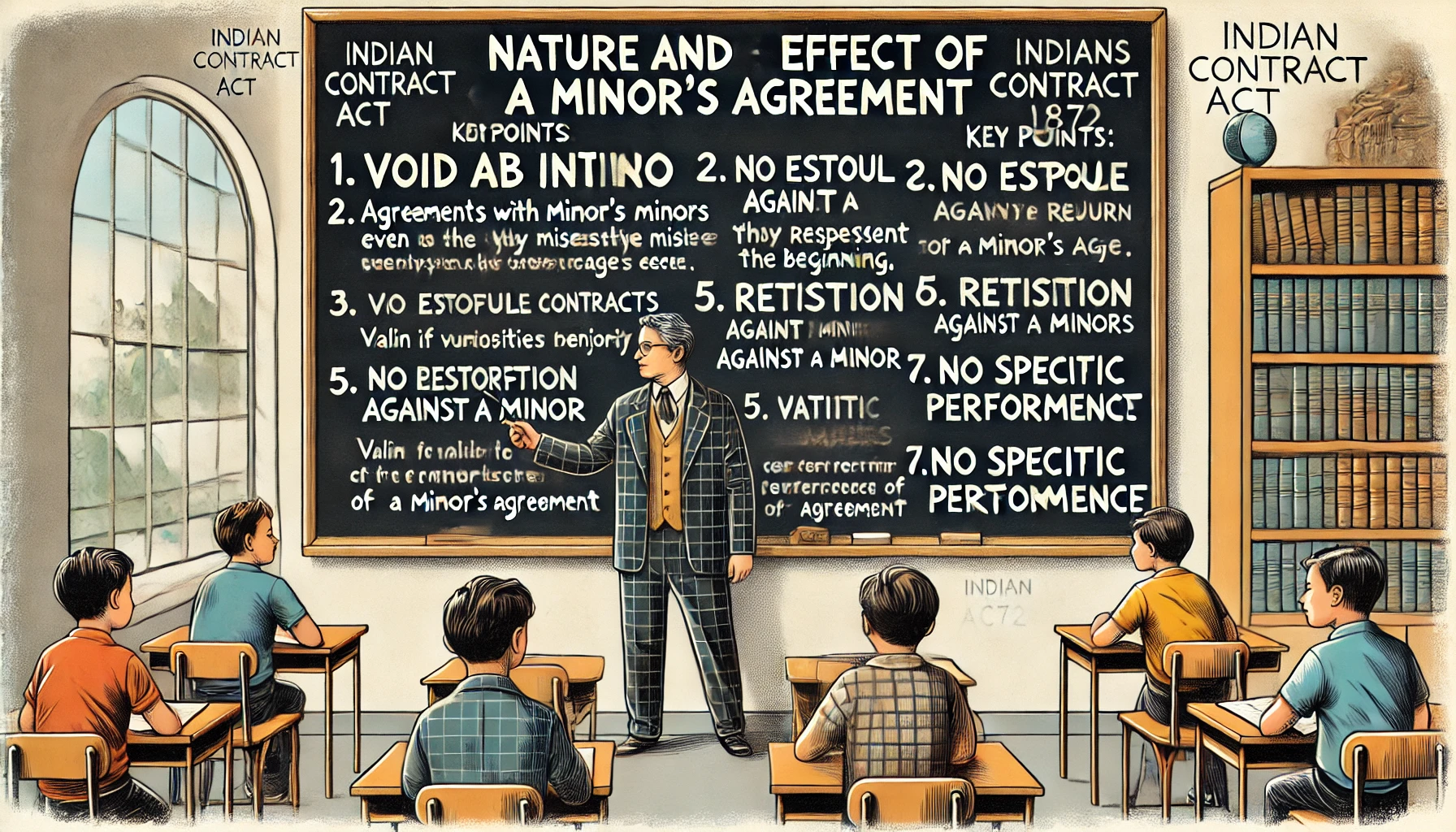
This case explains the rule that a contract with a minor is void ab initio. Courts will not enforce it. Sections 64 and 65 do not create personal liability for a minor. Section 68 helps only for true “necessaries.” Estoppel cannot defeat this protection.
Issues
- Can the mortgage executed during minority be enforced against the defendants?
- Does Section 68 (necessaries) allow recovery on the facts?
- Do Sections 64–65 or estoppel create any repayment duty for a minor who misrepresented age?
Rules
- Section 11, ICA: A minor is not competent to contract; such agreements are void.
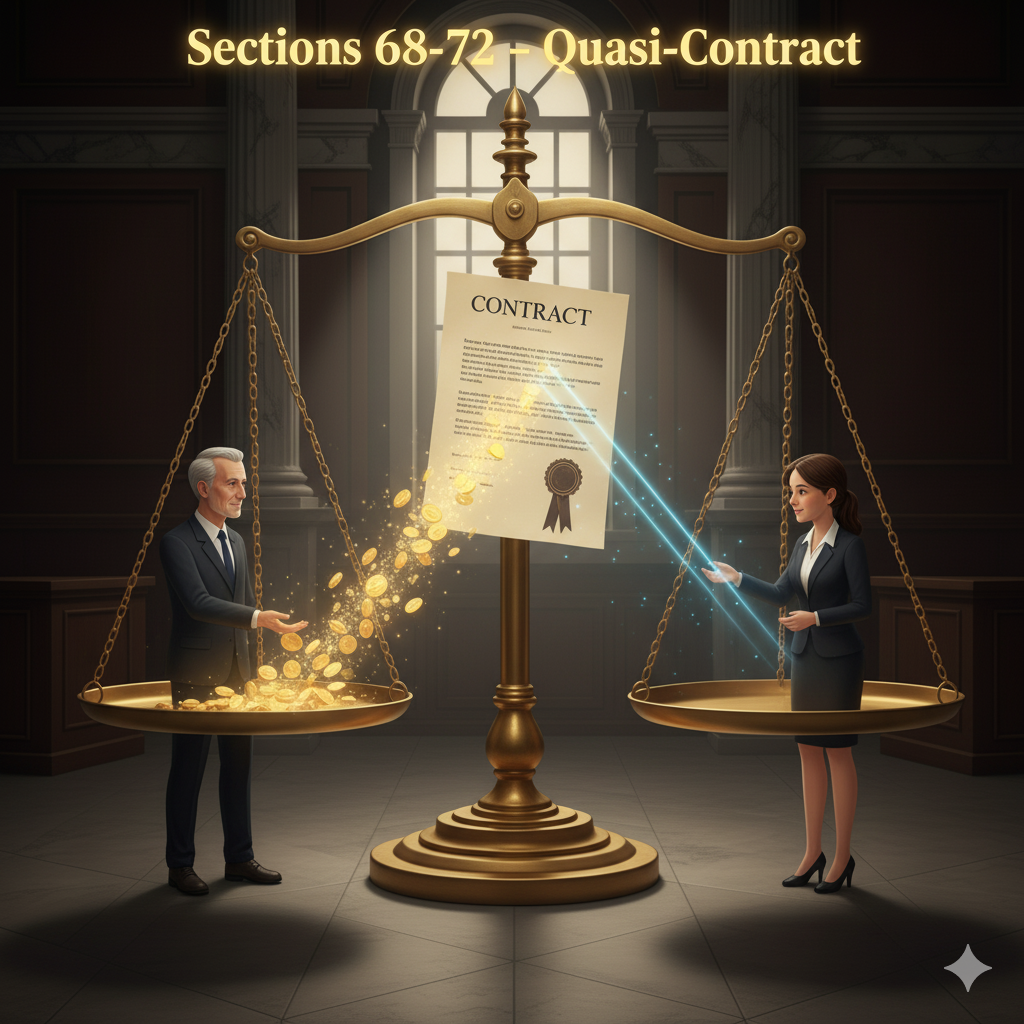
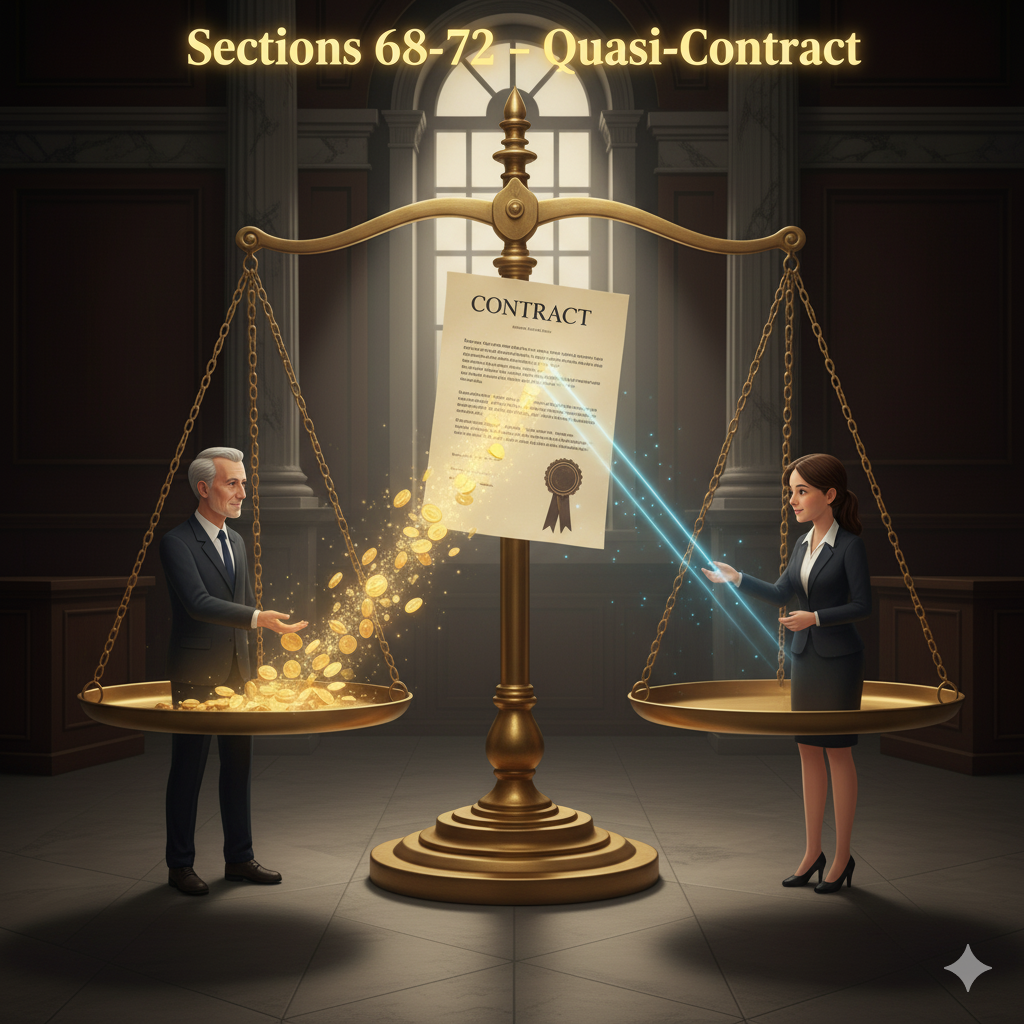
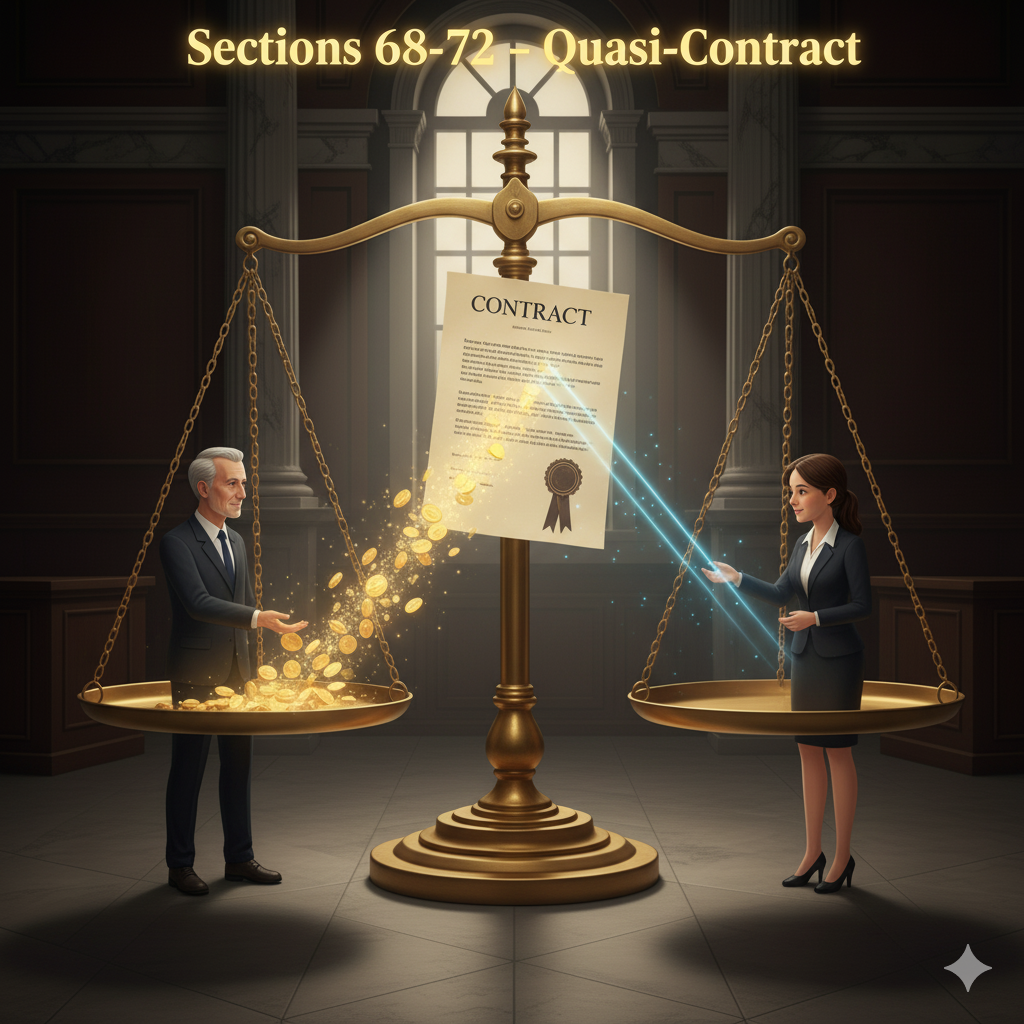
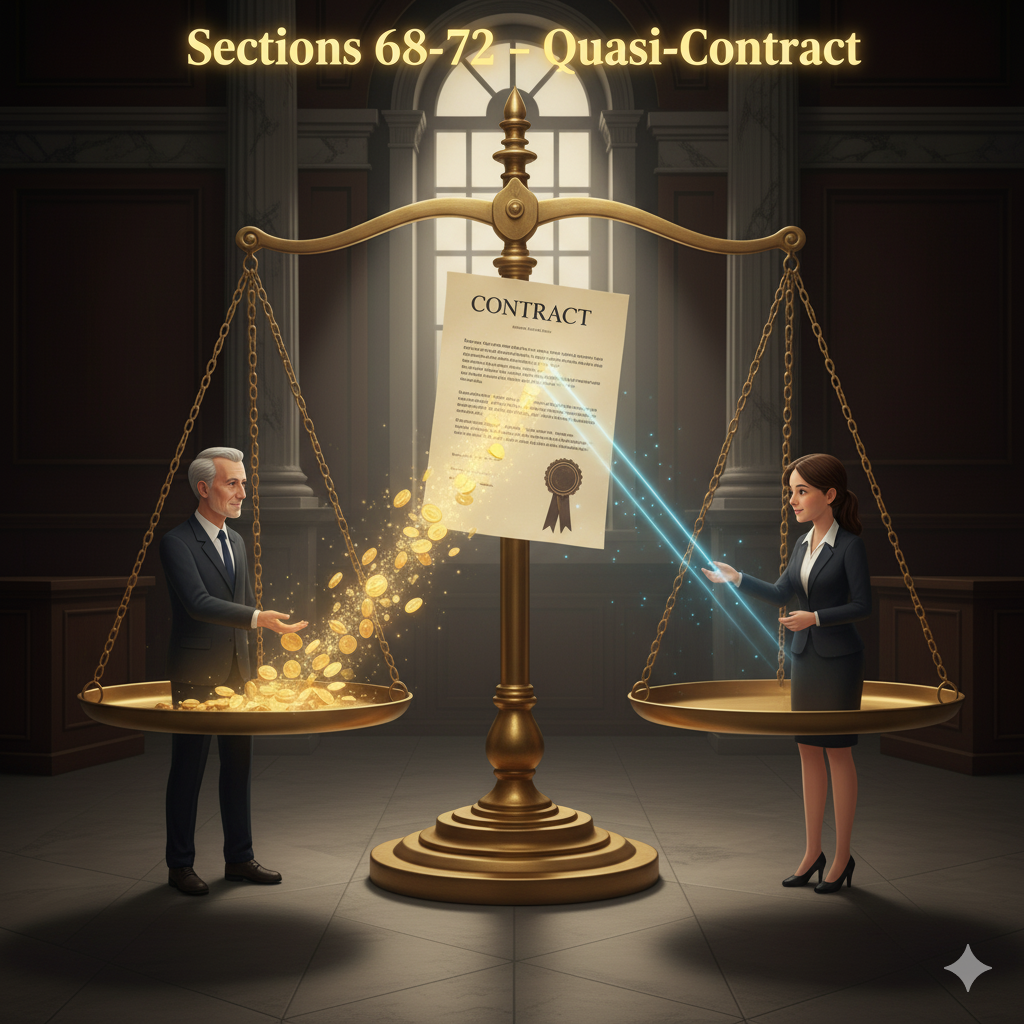
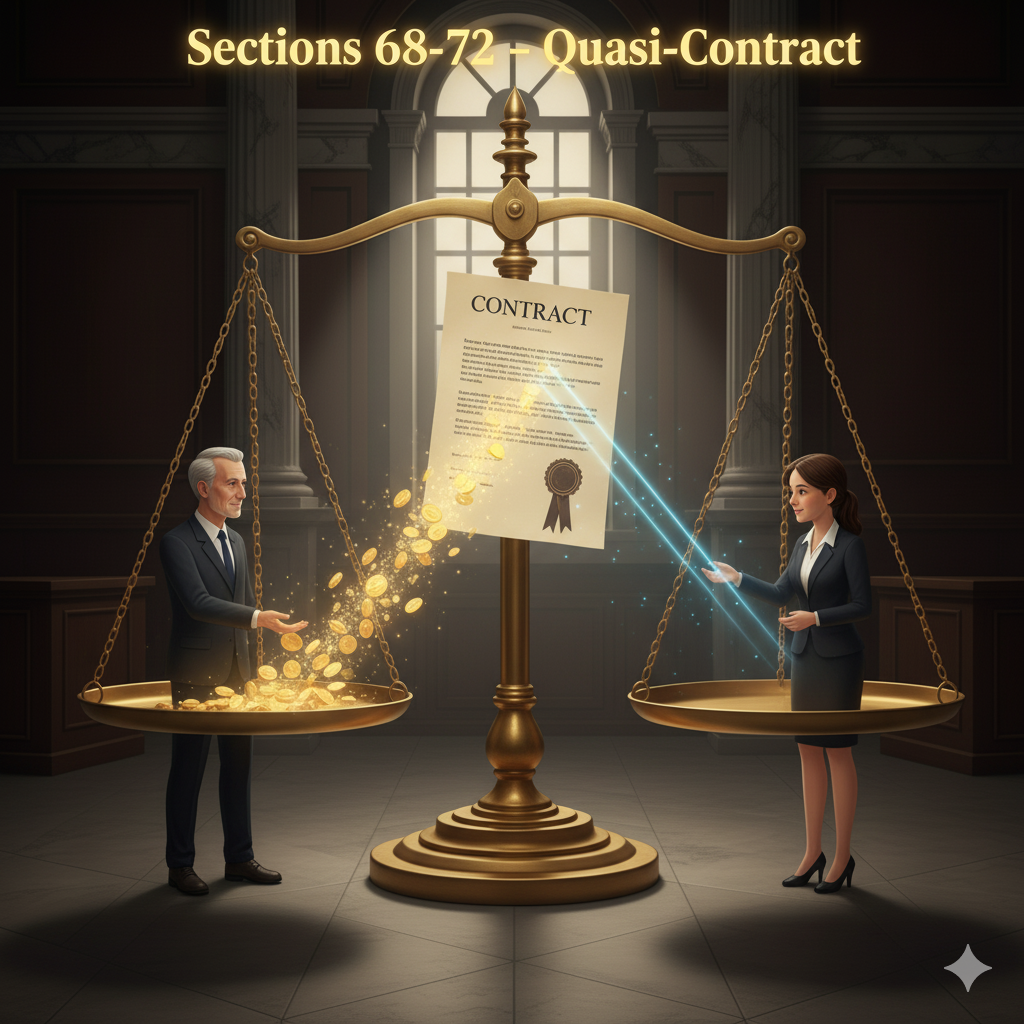
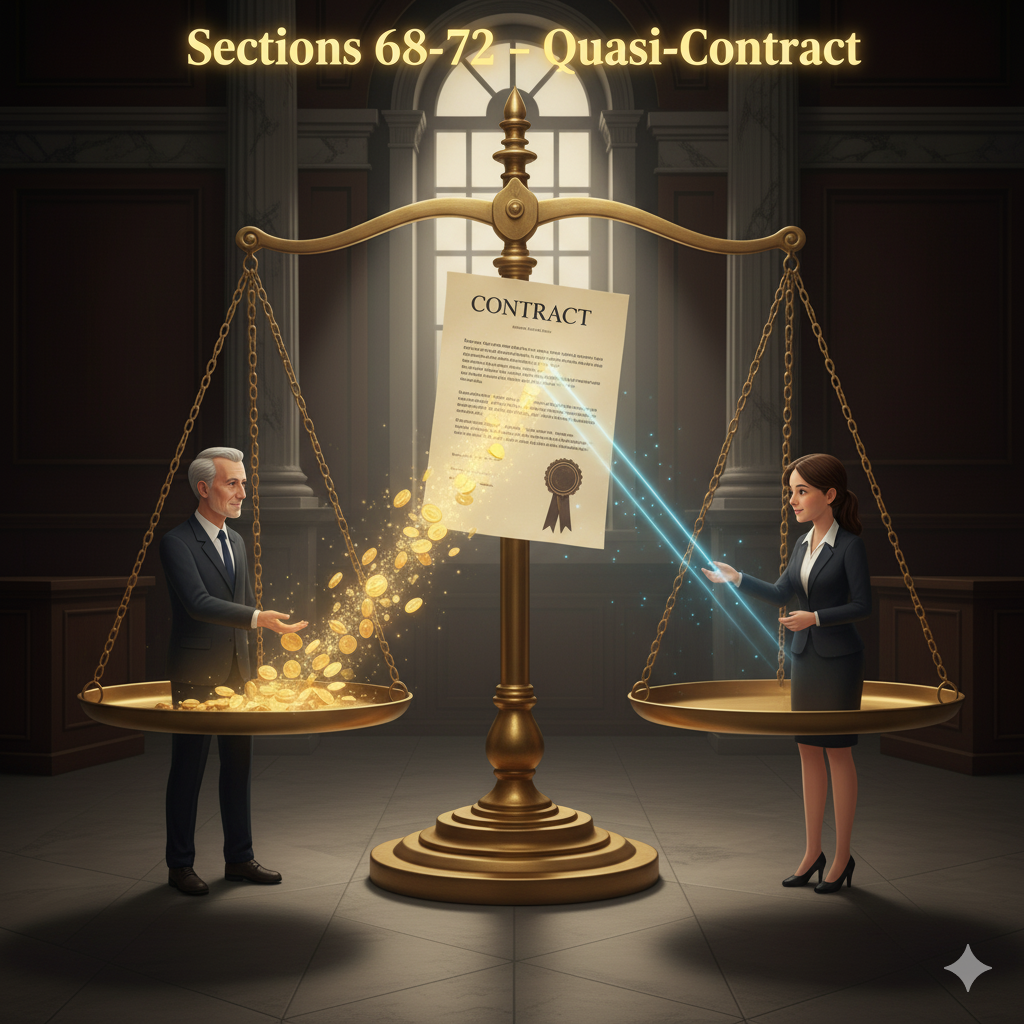
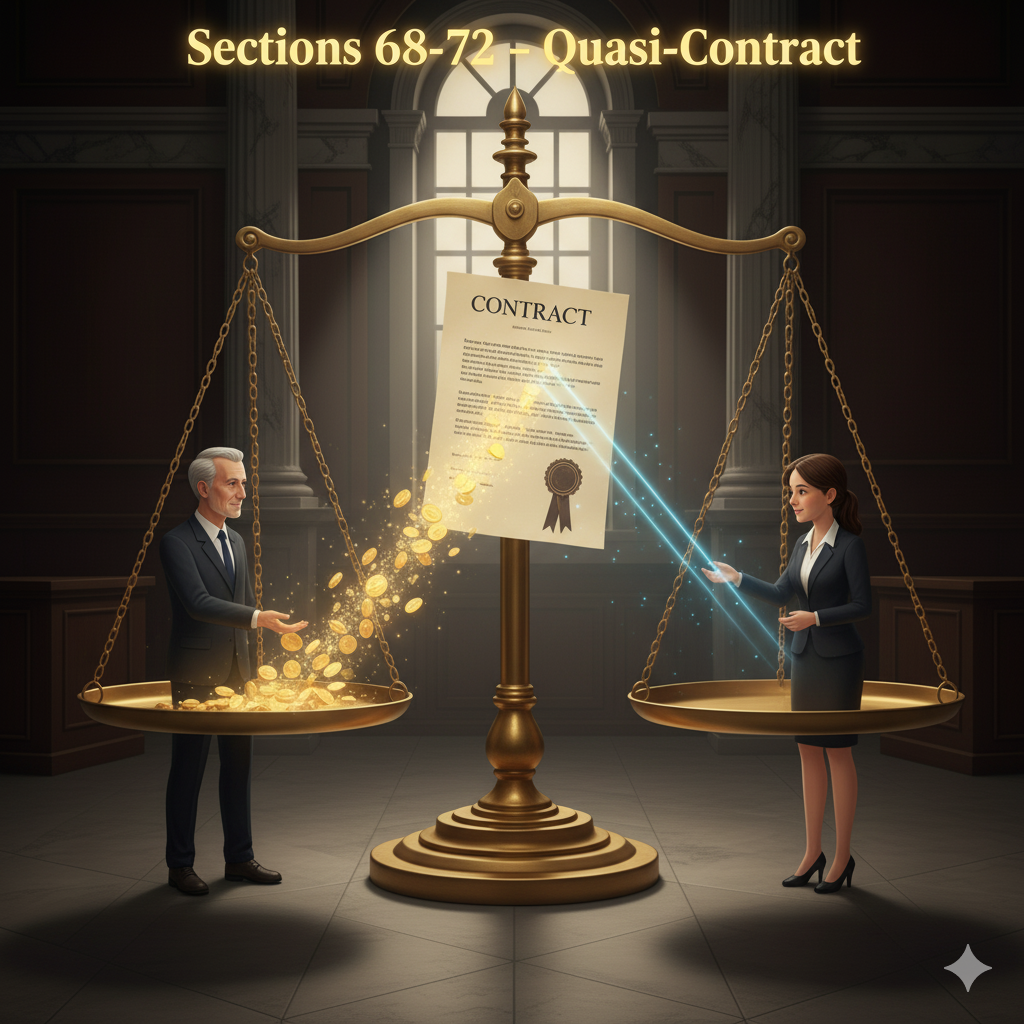
- Section 68, ICA (Necessaries): Supplier may be reimbursed from the minor’s property for real necessaries only.
- Sections 64–65, ICA: No personal restitution decree against a minor for a void agreement.
- Estoppel: Cannot override a statute that protects minors.
- TPA Section 43: Not attracted to transfers by a minor during minority.
- Mohori Bibee v. Dharmodas Ghose: Minor’s agreement is void; guiding precedent.
Facts (Timeline)

Arguments
Appellant (Plaintiffs)
- Minor misrepresented age; equity should order repayment.
- Marriage costs were “necessaries”; Section 68 applies.
- Alternatively, invoke Sections 64–65 for restitution.
Respondent (Defendants)
- Contract void ab initio; no personal liability.
- Marriage expenses are not “necessaries.”
- No estoppel against the statute; TPA s.43 inapplicable.
Judgment
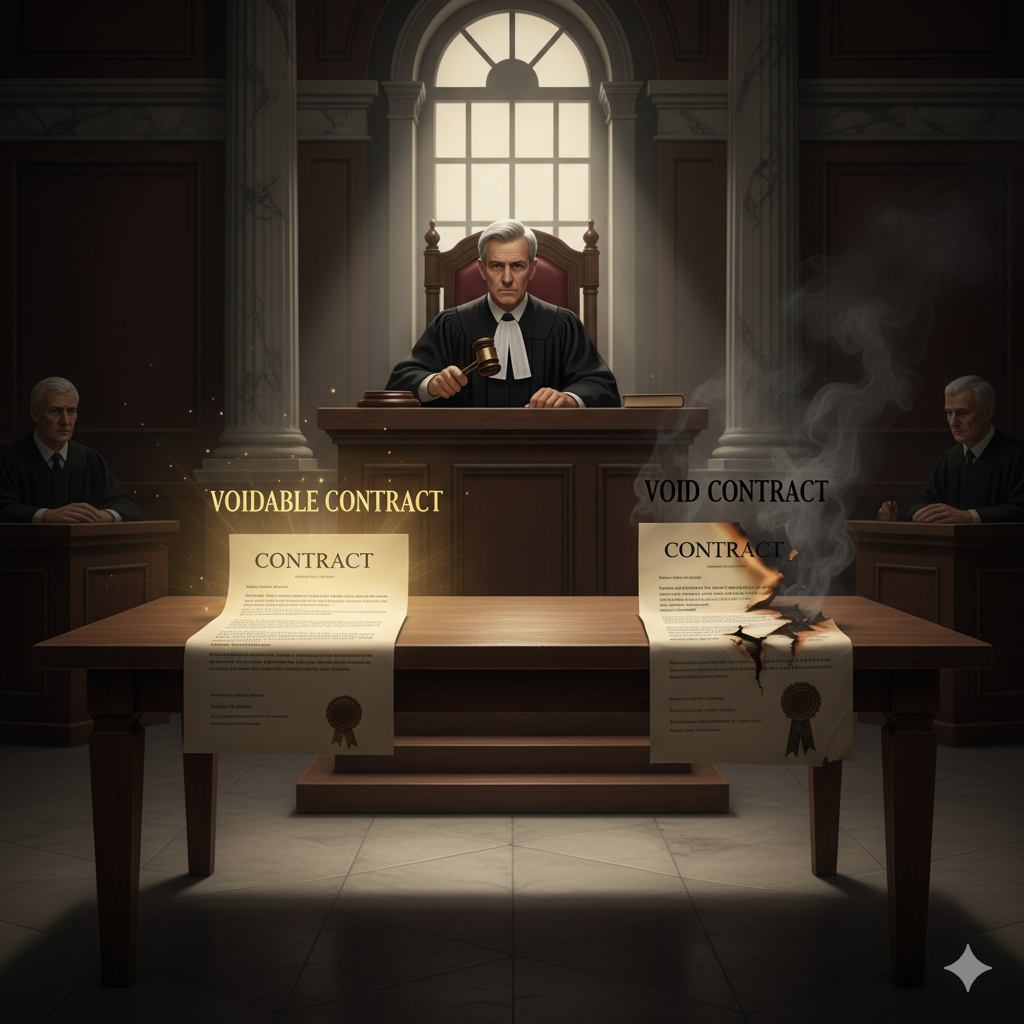
The court treated the mortgage as unenforceable because the executants were minors. It reaffirmed the rule from Mohori Bibee: a minor’s agreement is void, not merely voidable. Sections 64 and 65 do not operate to impose a money decree on a minor defendant. Section 68 did not assist the plaintiffs as the money was not for “necessaries.” Estoppel could not be used to defeat the minor’s protection. Finally, TPA Section 43 was held inapplicable where the transferor was a minor.

Ratio
- Minor’s contracts are void ab initio; courts will not enforce repayment.
- Sections 64–65 cannot be used against a minor defendant to create liability.
- Section 68 allows reimbursement only for true necessaries.
- No estoppel against a protective statute; TPA s.43 does not cure minority transfers.
Why It Matters
This case is a clean exam guide on minors’ contracts. It shows the limits of equity and estoppel, and it draws a clear line between “necessaries” and ordinary expenses.
Key Takeaways
- Contract with minor = void from the start.
- Restitution sections do not bind a minor defendant.
- Section 68 works only for real necessaries.
- Estoppel cannot undo statutory protection.
Mnemonic + 3-Step Hook
Mnemonic: “Void, not Repay; Necessaries only; no Estoppel” → V-R-N-E.
- Void: Ask if the maker was a minor.
- Repay? Check Sections 64–65 → no personal decree.
- Necessaries: If yes under s.68, only then from property; otherwise no.
IRAC Outline
Issue: Can a mortgage executed by minors be enforced; do restitutive or equitable routes apply?
Rule: Section 11 → minor not competent; Mohori Bibee governs; Sections 64–65 not applicable against minor; Section 68 applies only for necessaries; no estoppel; TPA s.43 not applicable.
Application: Defendants were minors; marriage expenses are not necessaries; equity cannot override statute; no route to enforce repayment.
Conclusion: Mortgage unenforceable; no personal liability; protection of minors stands.
Glossary
- Void ab initio
- Invalid from the very beginning.
- Necessaries
- Goods/services essential for life and status; not luxuries.
- Estoppel
- Rule stopping someone from denying earlier conduct; not used to hurt minors’ rights.
FAQs





























































































Popular & Recent Post




















































Comment
Nothing for now