

Loop Telecom and Trading Limited v. Union of India (2022)

Quick Summary
The Supreme Court refused to refund the non-refundable Entry Fee paid for 2G licenses. It denied Section 65 restitution because the company and the State stood in pari delicto (both at fault in the tainted policy).
- Entry Fee was contractually non-refundable.
- Section 65 did not help since the claimant was not innocent.
- TDSAT had no power to grant refund in this setting.
Issues
- Should the Entry Fee be refunded to Loop Telecom on these facts?
Rules
- Contract terms govern: a non-refundable fee stays non-refundable.
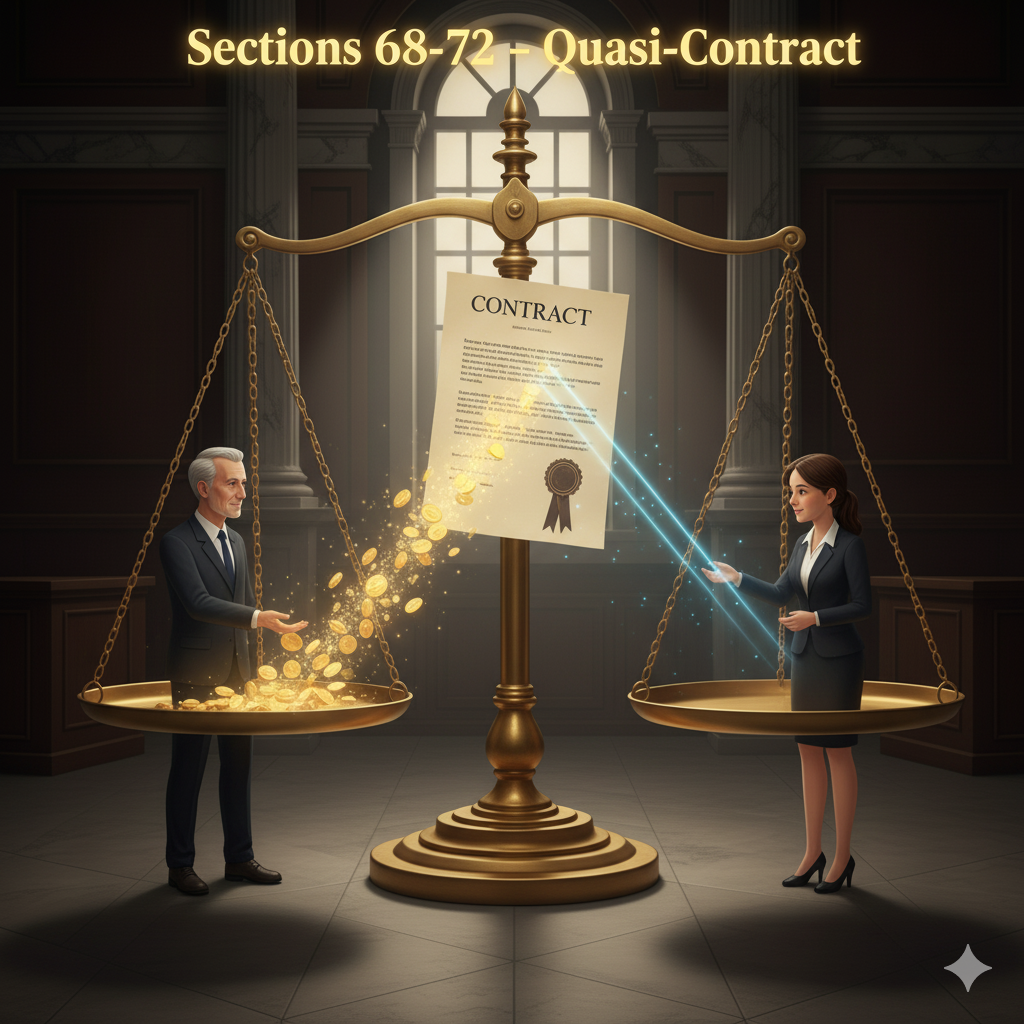
- Section 65 ICA (restitution) applies only when the agreement becomes void and the party seeking relief is not at fault.
- In pari delicto: courts do not grant equitable relief to a party who shares the blame.
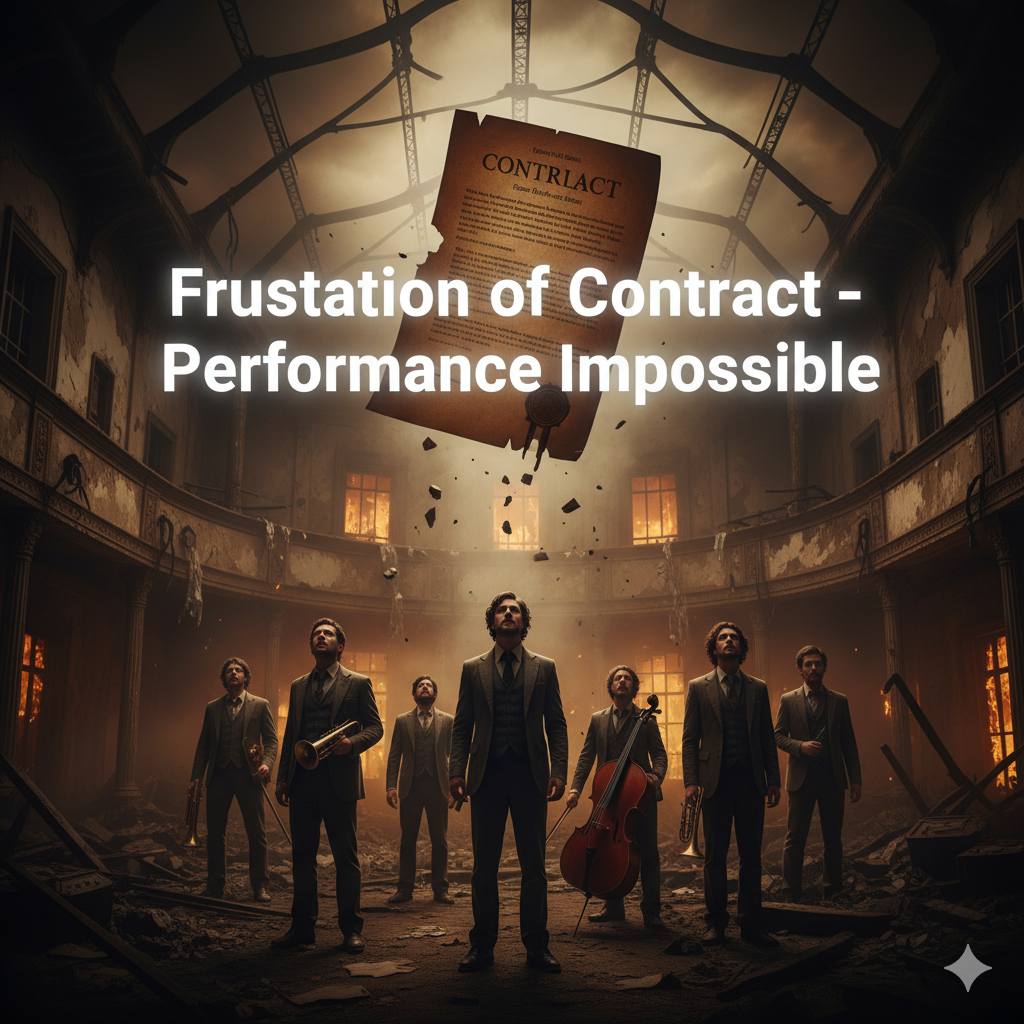
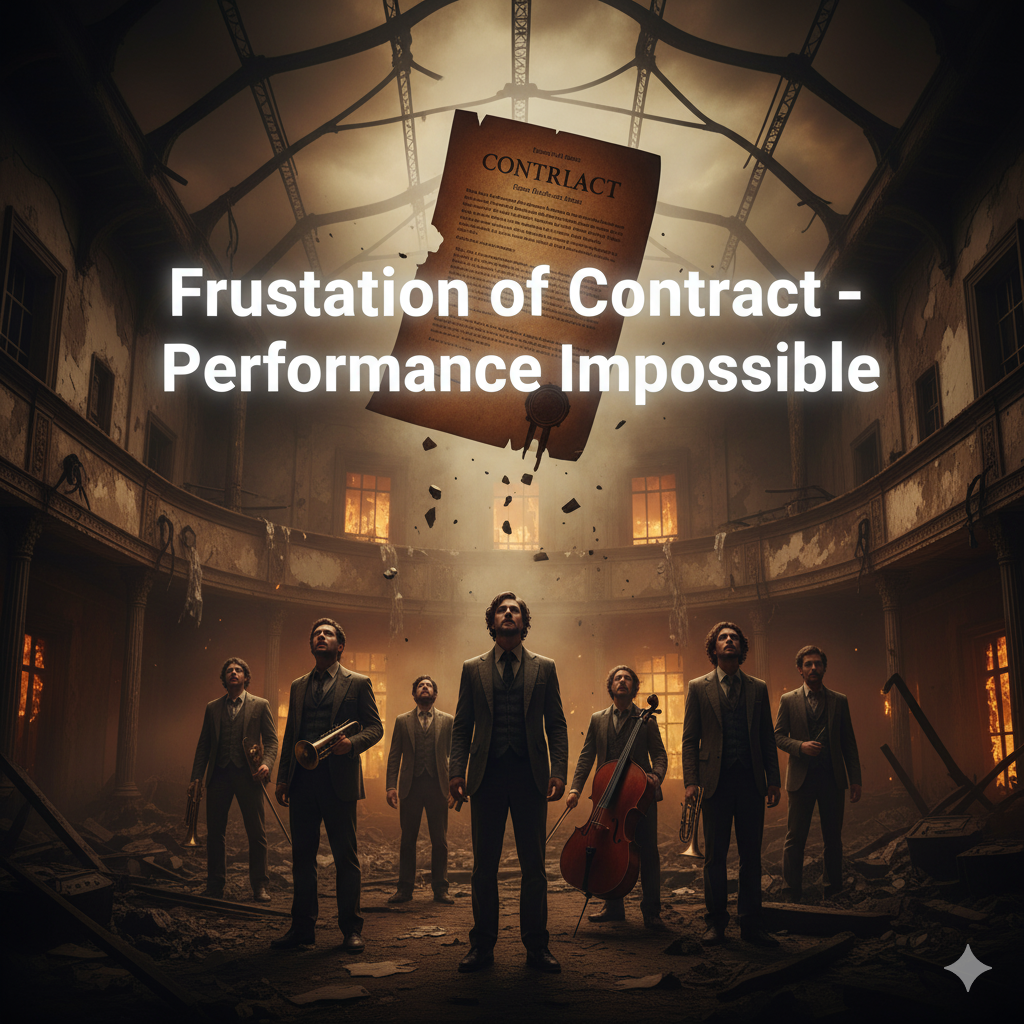
- Section 56 (frustration) needs a supervening impossibility; policy illegality is different.
- TDSAT cannot direct refund where the cancellation flows from the Supreme Court’s constitutional powers.
Facts (Timeline)

Arguments
Appellant (Loop Telecom)
- Refund Entry Fee since licenses failed due to State policy illegality, not Loop’s fault.
- Section 65 restitution should restore money for a void agreement.
- Acquittal shows lack of criminal wrongdoing.
Respondent (Union of India)
- Entry Fee is expressly non-refundable in UASL and guidelines.
- Loop benefited from a tainted process; equity is barred by in pari delicto.
- TDSAT cannot order refund; cancellations arose from the Court’s own constitutional orders.
Judgment

The Supreme Court dismissed the appeal and denied refund of the Entry Fee. It held that Section 65 did not apply because Loop was not an innocent party; both sides shared responsibility in a policy later found unconstitutional. The fee remained non-refundable under the contract.
- In pari delicto blocked equitable restitution.
- Section 56 frustration did not apply; this was not supervening impossibility.
- TDSAT lacked jurisdiction to grant refund in this situation.
Ratio
A party that benefited from a tainted policy cannot claim Section 65 restitution; equity does not help those in pari delicto. When the contract sets a non-refundable fee, courts respect that bargain unless clear legal grounds override it.
Policy illegality is not the same as supervening impossibility under Section 56.
Why It Matters
- Clarity of Fees: Non-refundable means exactly that—especially in regulated sectors.
- Equity Limits: Courts deny restitution where the claimant is part of the wrongful setup.
- Forum Limits: Know what TDSAT can and cannot order after constitutional directions.
Key Takeaways
- Section 65 is not a shield for parties involved in a tainted allocation.
- Contractual labels like non-refundable carry real legal weight.
- Section 56 frustration is narrow; policy illegality is different.
Mnemonic + 3-Step Hook
Mnemonic: N-E-T — Non-refundable fee, Equity barred (pari delicto), TDSAT limited.
- Check the contract (is fee clearly non-refundable?).
- Check conduct (is the claimant innocent?).
- Check forum (does TDSAT have power to refund?).
IRAC Outline
Issue: Can Loop recover the Entry Fee after license cancellation?
Rule: Section 65 restitution requires innocence; in pari delicto bars relief; non-refundable fee stands; Section 56 not attracted; TDSAT jurisdiction is limited.
Application: Loop benefited from a tainted policy; contract said non-refundable; no supervening impossibility; TDSAT could not grant refund.
Conclusion: Refund denied; appeal dismissed.
Glossary
- In Pari Delicto
- Both parties share fault; equity refuses relief.
- Section 65 (ICA)
- Restitution when an agreement becomes void, but only for an innocent claimant.
- Section 56 (ICA)
- Frustration of contract due to supervening impossibility.
FAQs















































































Popular & Recent Post
























































Comment
Nothing for now