


Quick Summary
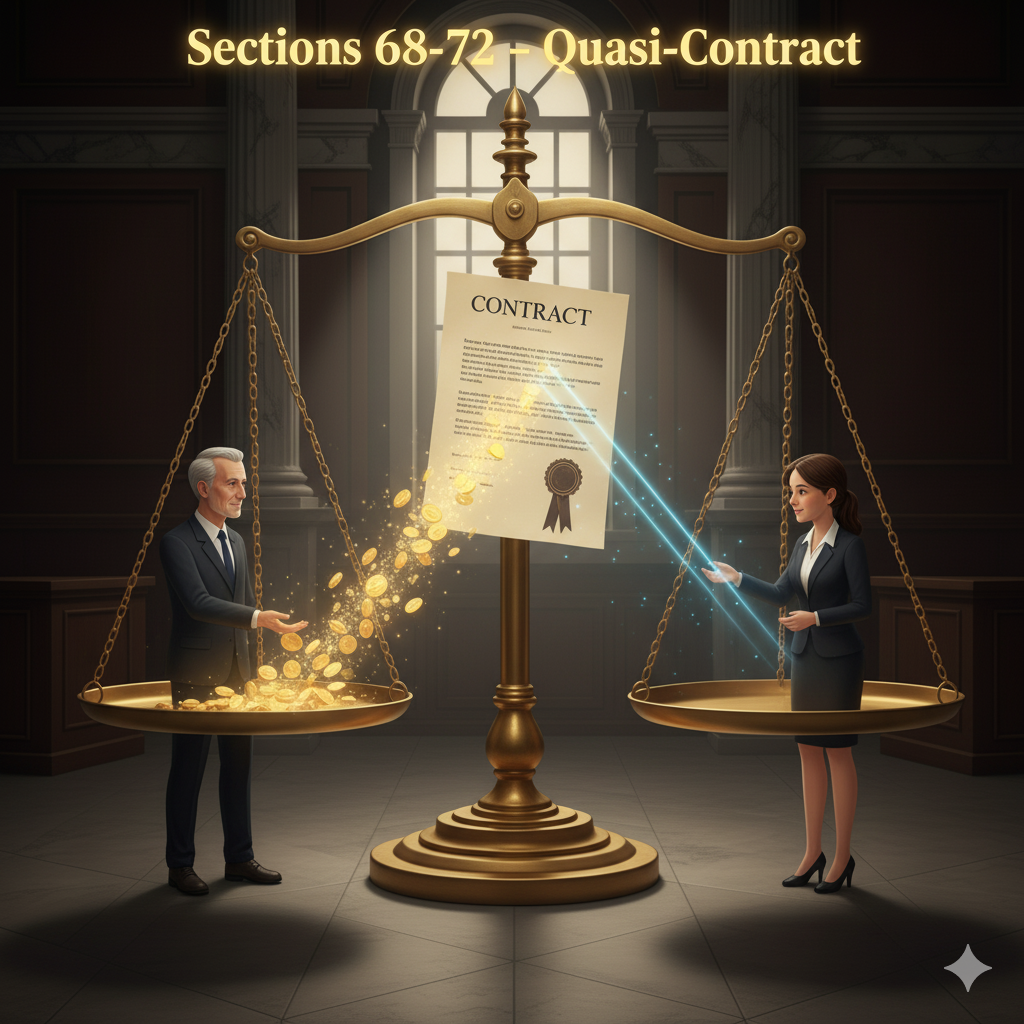
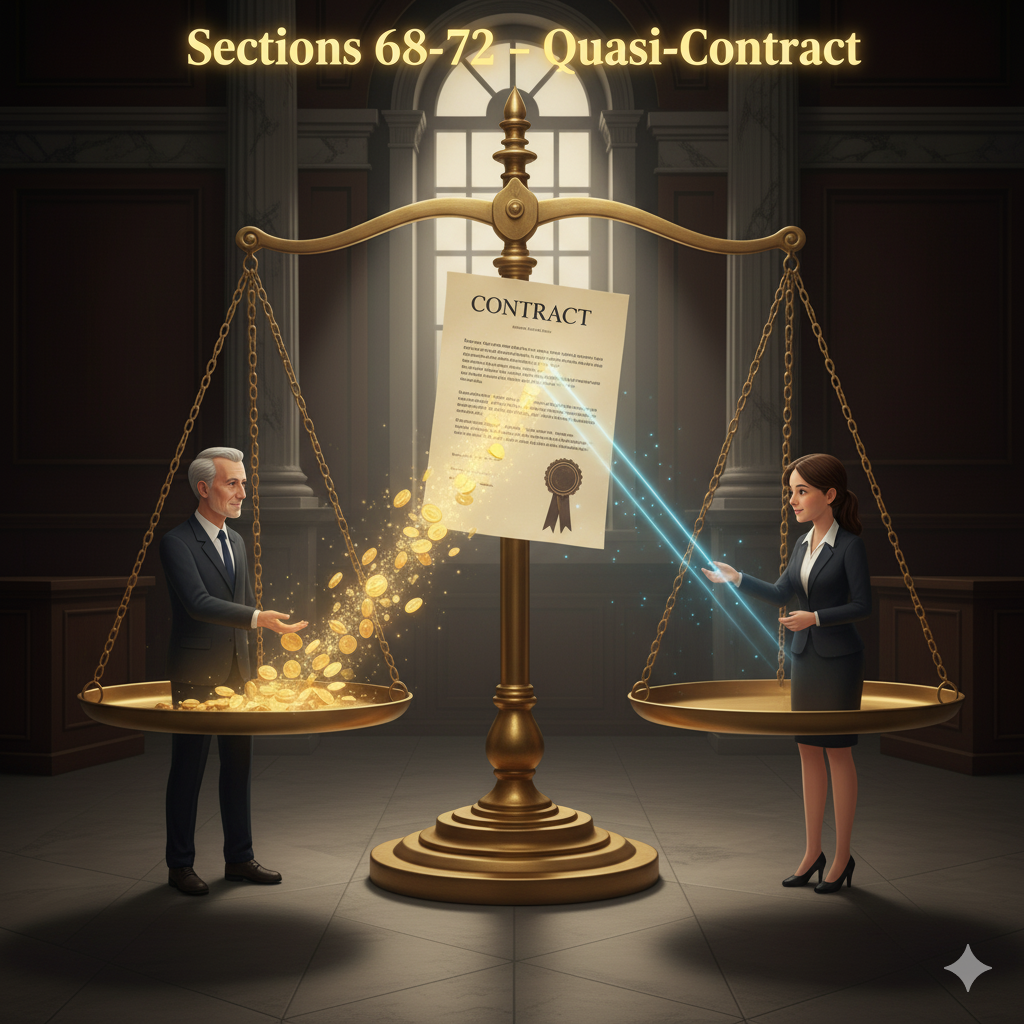
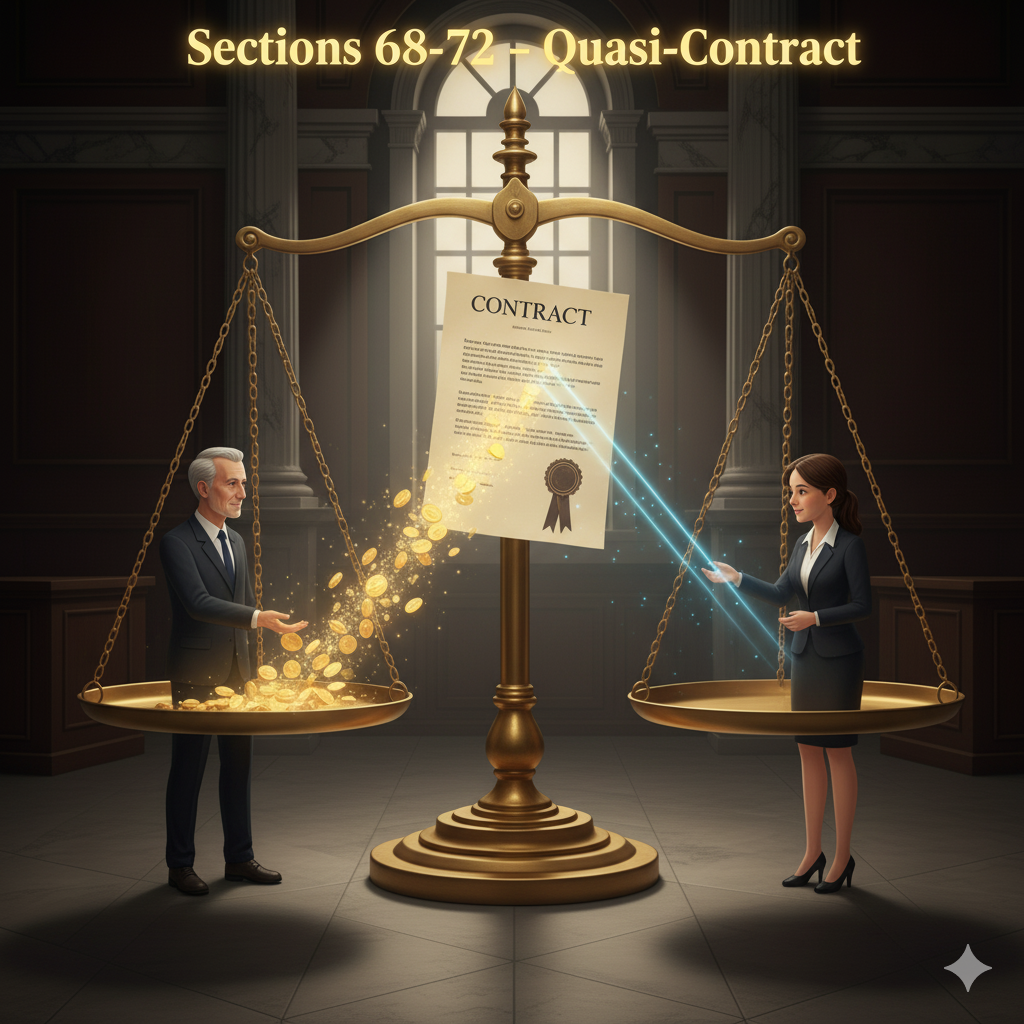
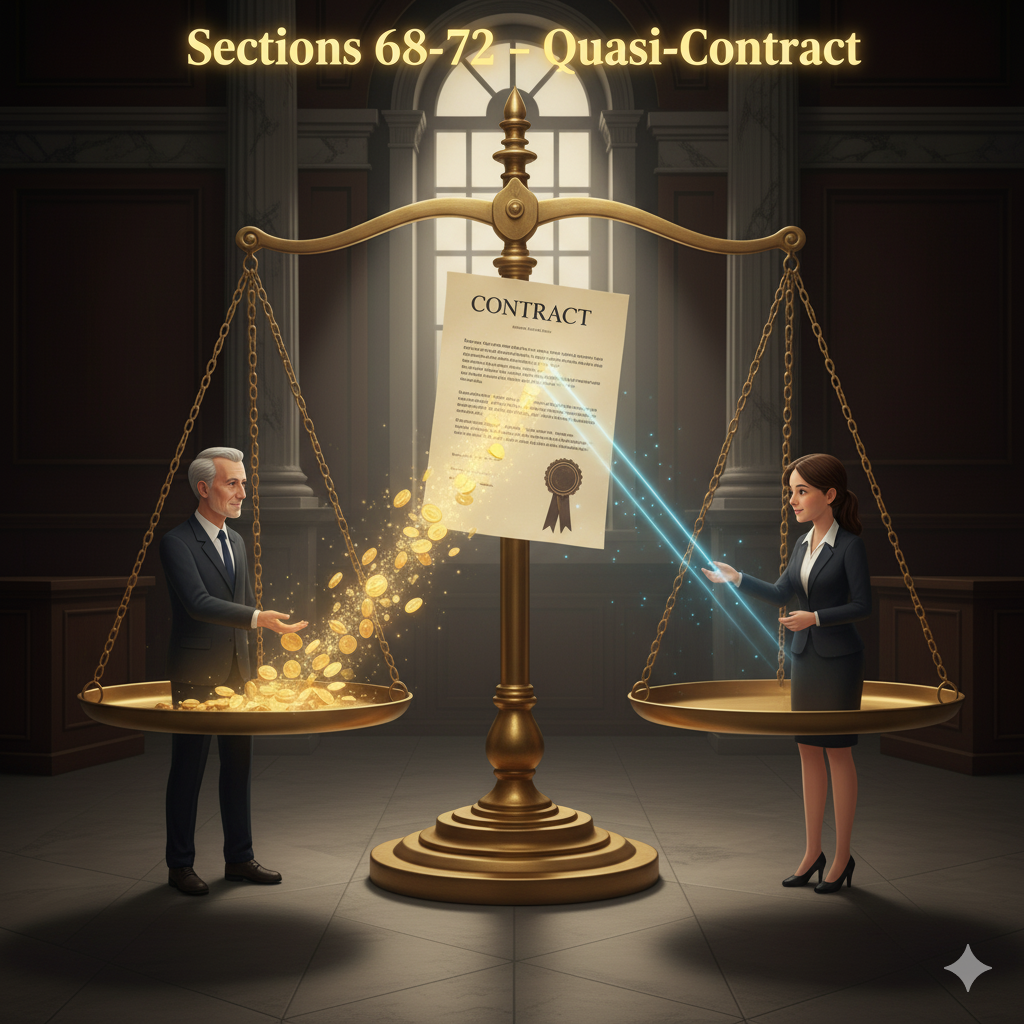
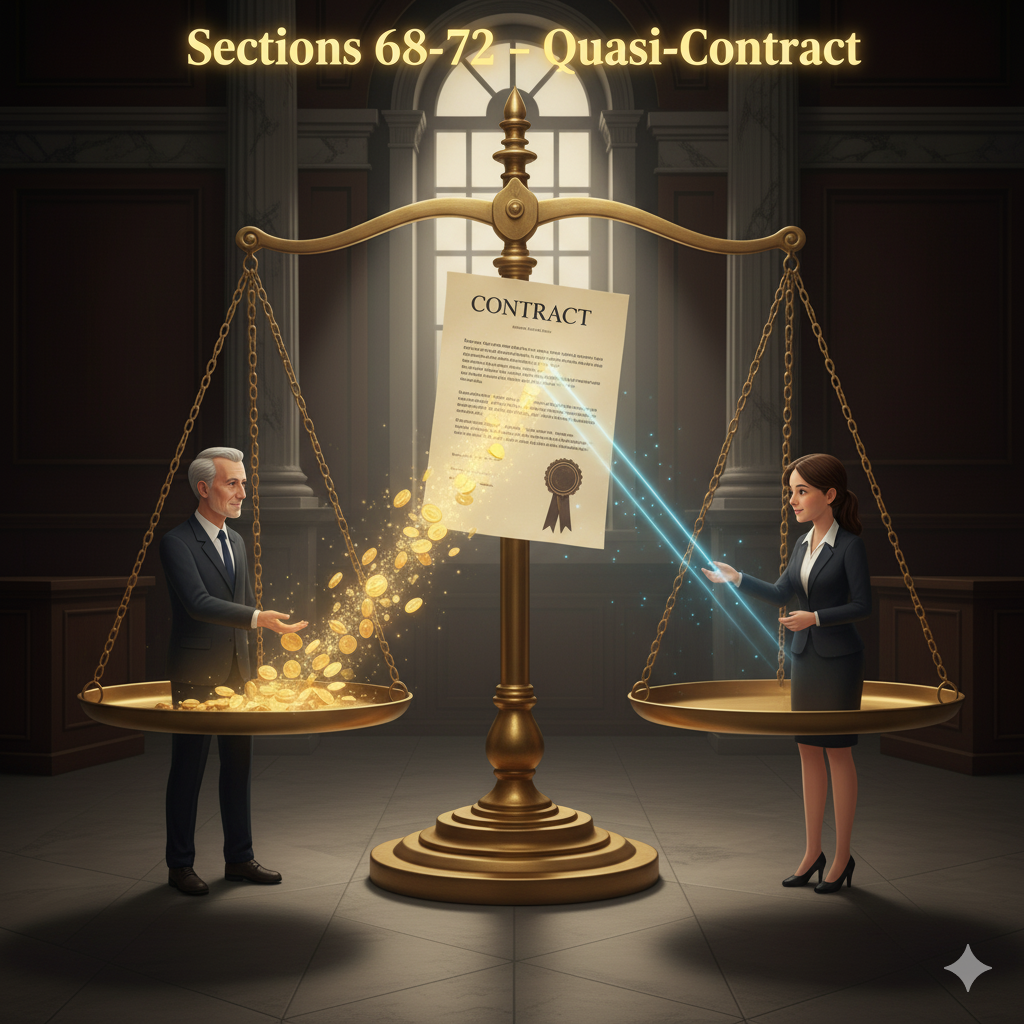
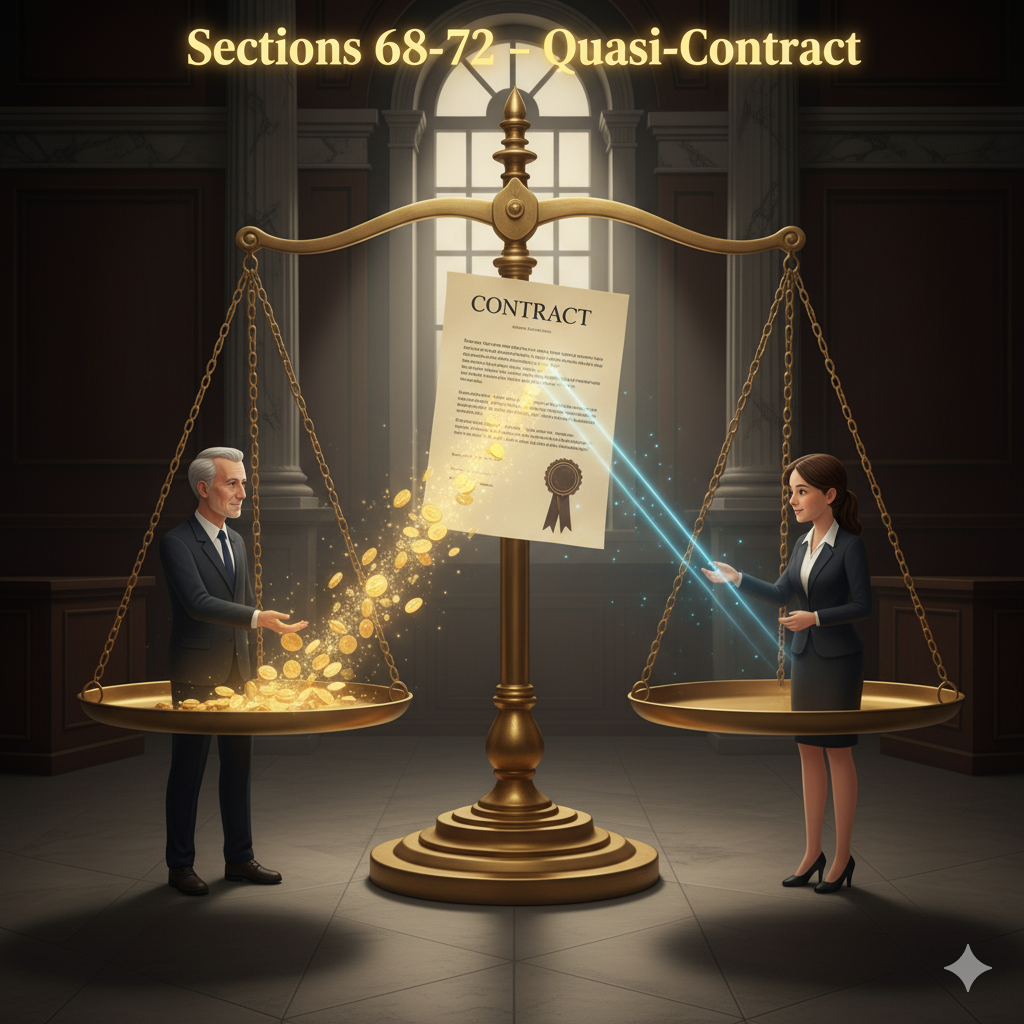
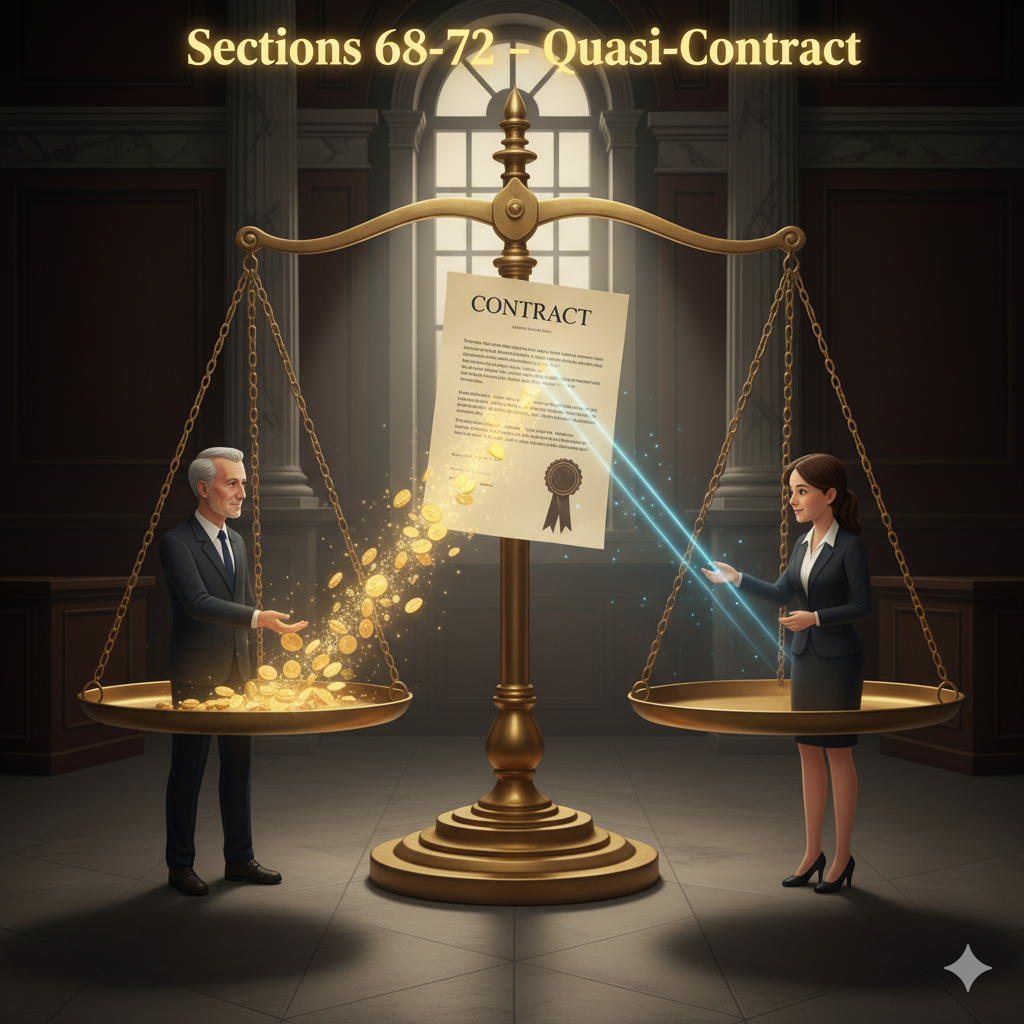
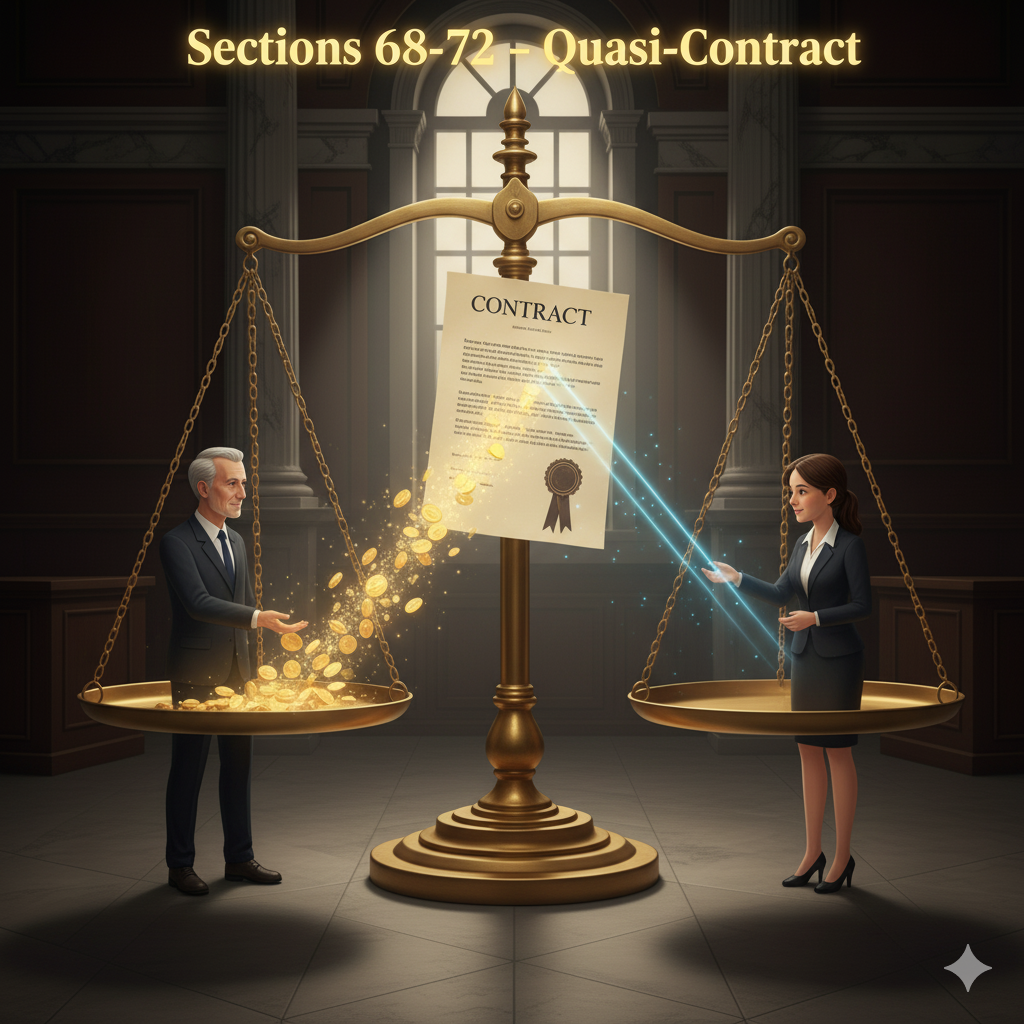
This case explains how Section 72 of the Indian Contract Act, 1872 works in tax refund matters. Money paid by mistake can be recovered, but not when refunding would cause unjust enrichment.
- If a manufacturer passed the duty to buyers, they usually cannot claim a refund.
- Courts balance Article 265 (no tax without authority of law) with fairness to the public.
- The assessee must prove they bore the loss themselves.
Issues
- Can an assessee use Section 72 ICA to claim refund when the tax burden has been passed on to consumers?
- Does an invalid levy automatically entitle the assessee to a full refund?
- Who bears the burden of proof about passing on the duty?
Rules
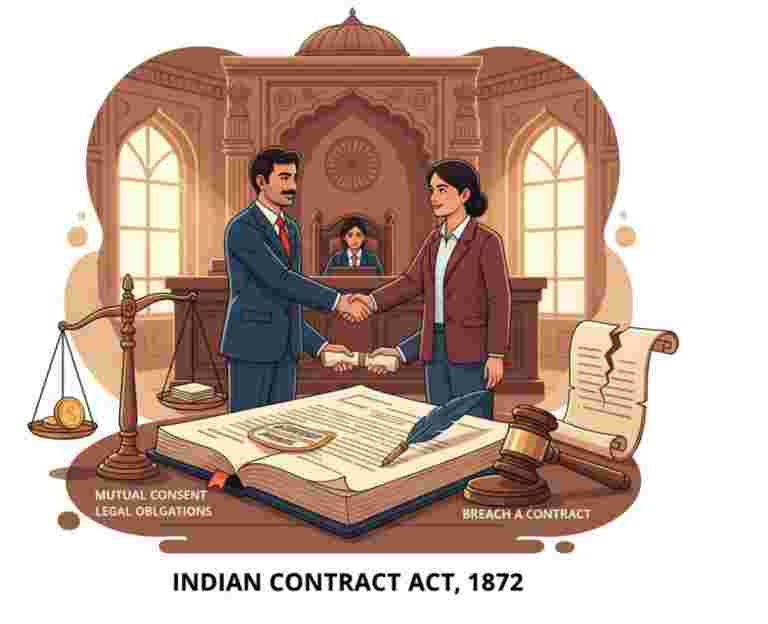
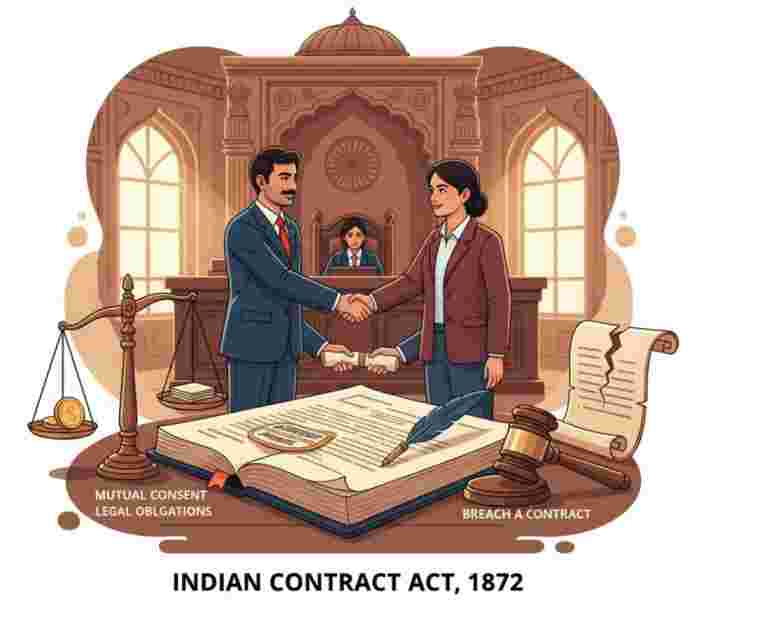
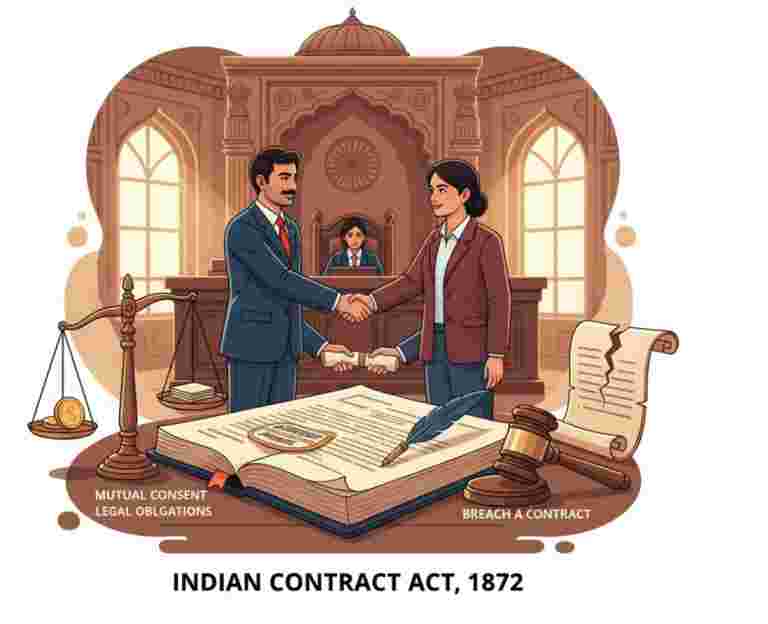
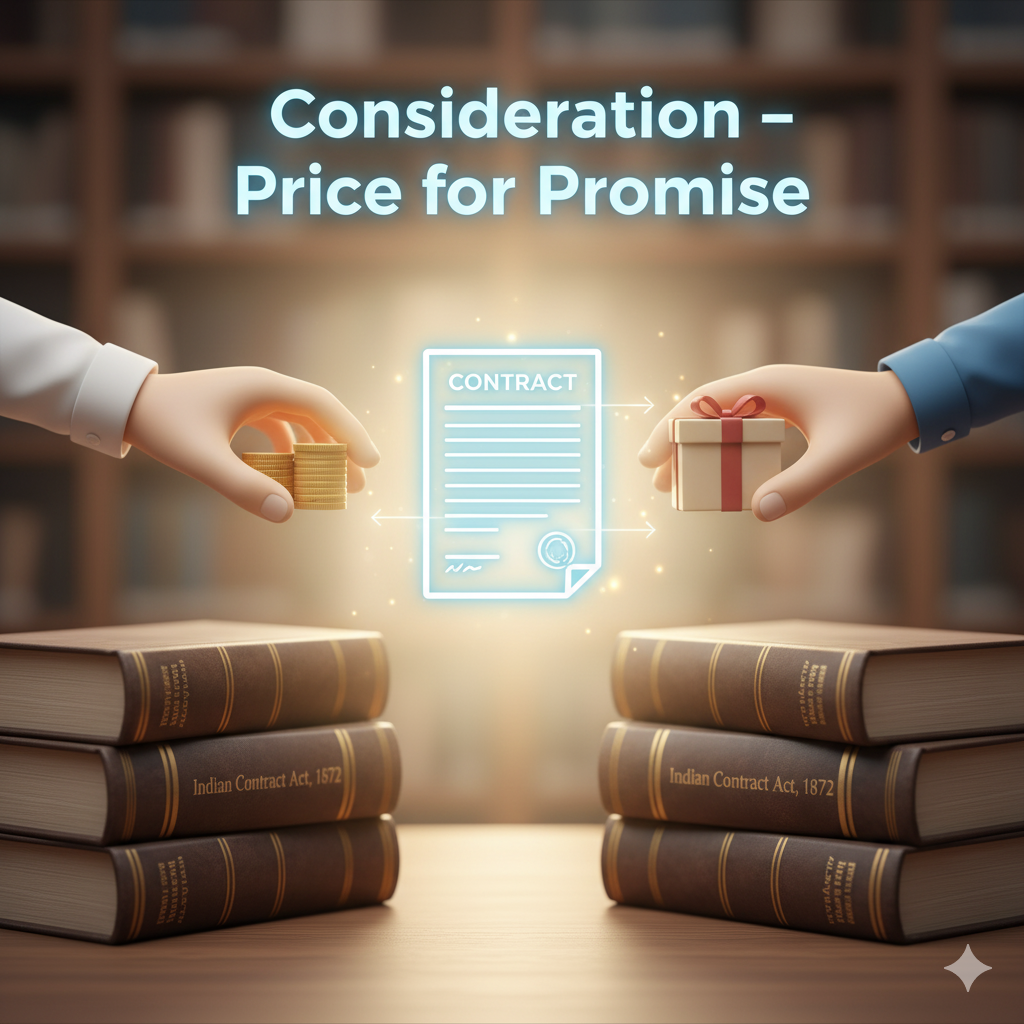
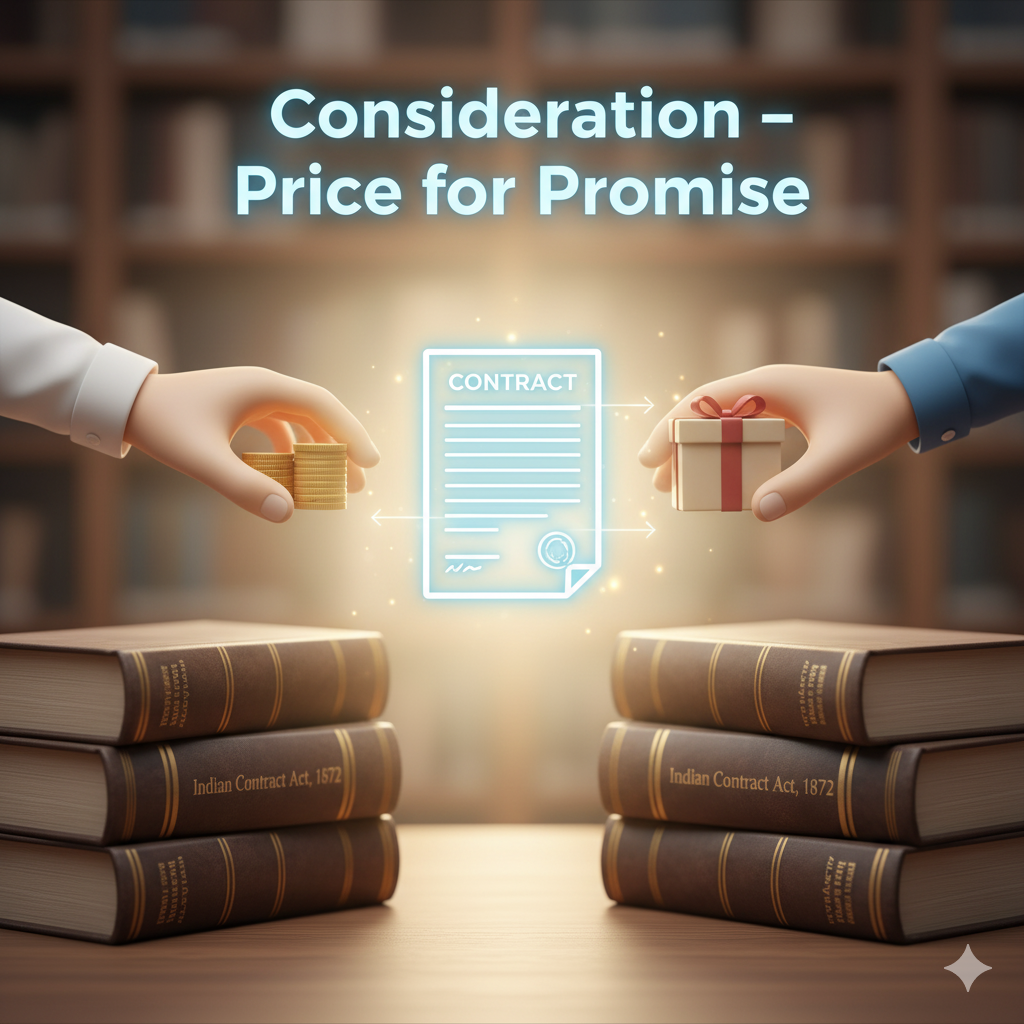
- Section 72 ICA: Money paid by mistake or under coercion must be repaid.
- Unjust Enrichment: No person should profit from money that, in fairness, belongs to another or to the public exchequer.
- Burden of Proof: Presumption that indirect tax is passed on; assessee must rebut with accounts and pricing evidence.
- Article 265 + Directive Principles: Even if a levy is invalid, refund is shaped by equity to avoid windfall gains.
Facts (Timeline)

The mill paid excise duty on blended yarn (captive consumption) under Tariff Item 18/18A.
Gujarat High Court held that the pre-16/17 Mar 1972 levy was ultra vires.
Mills sought refunds saying duty was paid by a mistake of law (Section 72).
Claims filed before departmental authorities, via civil suits, and through writ petitions (Art. 226).
Trial court decreed in favour of the mills; the Gujarat High Court reversed on appeal.
Whether refund is tenable when the duty burden was passed on to buyers.
Arguments
Appellant (Mills)
- Duty was collected illegally before 16/17 Mar 1972.
- Payment was by mistake of law → refundable under S.72 ICA.
- Refund should follow the ultra vires finding.
Respondent (Union)
- Passing on: buyers ultimately bore the duty.
- Unjust enrichment bars refund without proof of loss.
- Procedural limits and refund provisions (1977–1991) govern remedies.
Judgment
The Court (Hansaria & Kirpal, JJ) held that Section 72 cannot be used to grant refund where the assessee has passed on the duty and thus suffered no real loss. Courts read Article 265 together with the Directive Principles, so an invalid levy does not automatically lead to a full refund. The assessee bears the burden to prove that the incidence of duty was not shifted to customers.
Ratio Decidendi
- Unjust enrichment bars restitution: Section 72 is not a route to windfall refunds in indirect tax.
- Presumption of passing on: Indirect taxes are embedded in price; assessee must rebut with evidence.
- Constitutional harmony: Article 265 is applied with equity and public interest to avoid unfair depletion of the exchequer.
Why It Matters
For students and practitioners, this case is the bridge between contract law restitution and tax law refunds. It clarifies that the real economic burden decides who should be repaid.
Key Takeaways
- Section 72 refunds need proof of loss by the claimant.
- Passing on defeats restitution to the assessee.
- Equity controls even after an ultra vires finding.
Mnemonic + 3-Step Hook
Mnemonic: P-A-Y = Passed on? Avoid refund; You prove loss.
- Check Price: Was duty built into the price?
- Check Accounts: Who finally bore the incidence?
- Claim Proof: If you paid and kept the loss, Section 72 may help.
IRAC Outline
Issue: Can refunds be ordered under Section 72 when the duty is passed on?
Rule: Section 72 + unjust enrichment; presumption of passing on in indirect tax; burden on assessee.
Application: The mills sought refunds; evidence suggested the burden moved to buyers; restitution would yield a windfall.
Conclusion: Refund not available unless assessee proves actual loss retained.
Glossary
- Unjust Enrichment
- A person should not gain at another’s expense without legal basis.
- Passing On
- Shifting the tax burden to the buyer via price.
- Restitution
- Restoring money or benefits obtained without a valid basis.
FAQs


























































Popular & Recent Post



























































Comment
Nothing for now