

Food Corporation of India v. Abhijit Paul (2022) — 2022 SCC OnLine SC 1605

Quick Summary
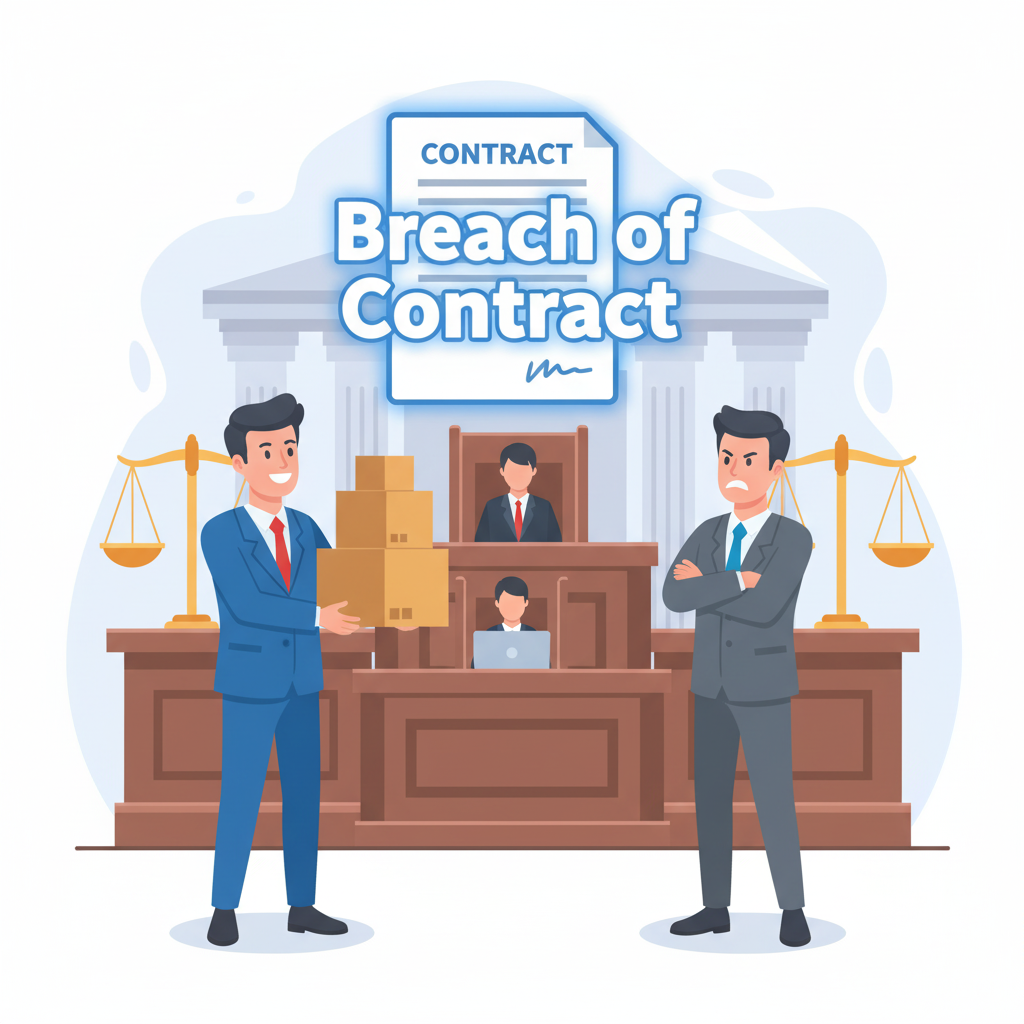
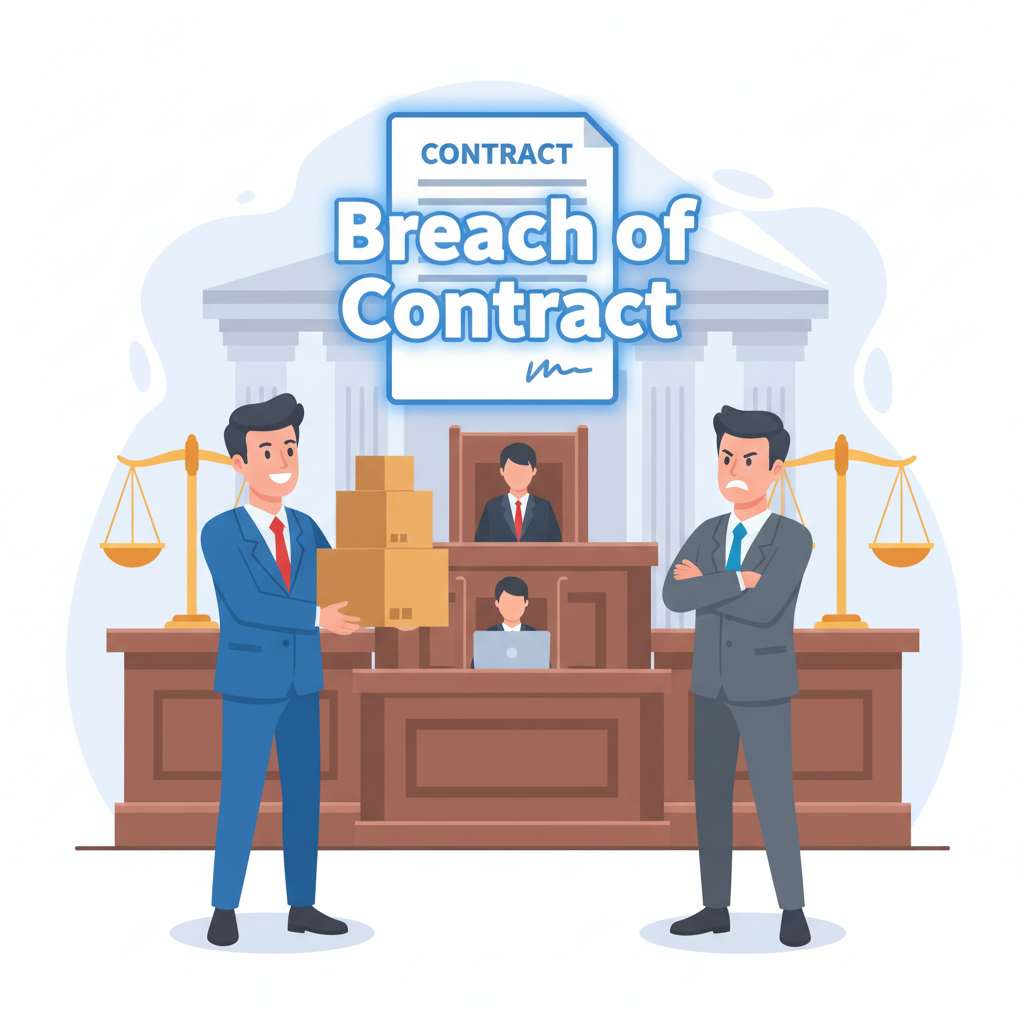
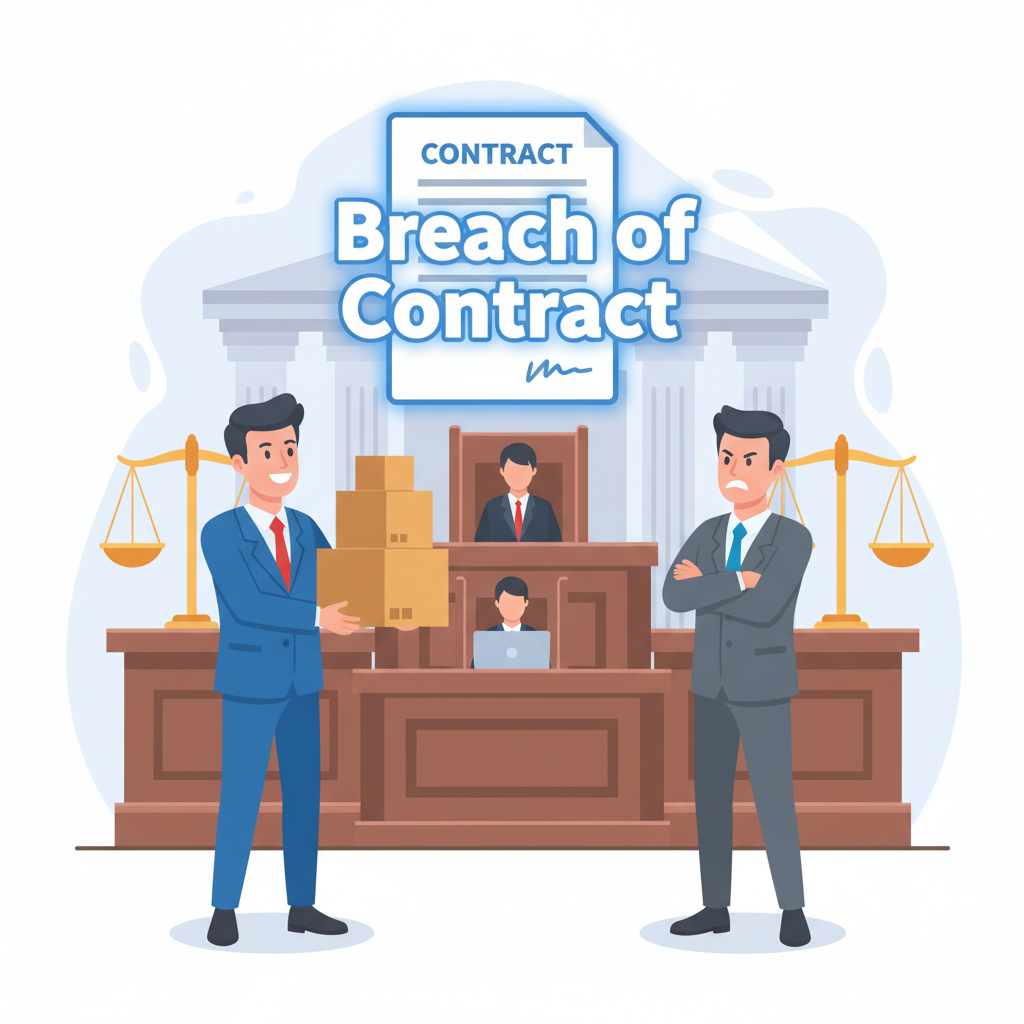
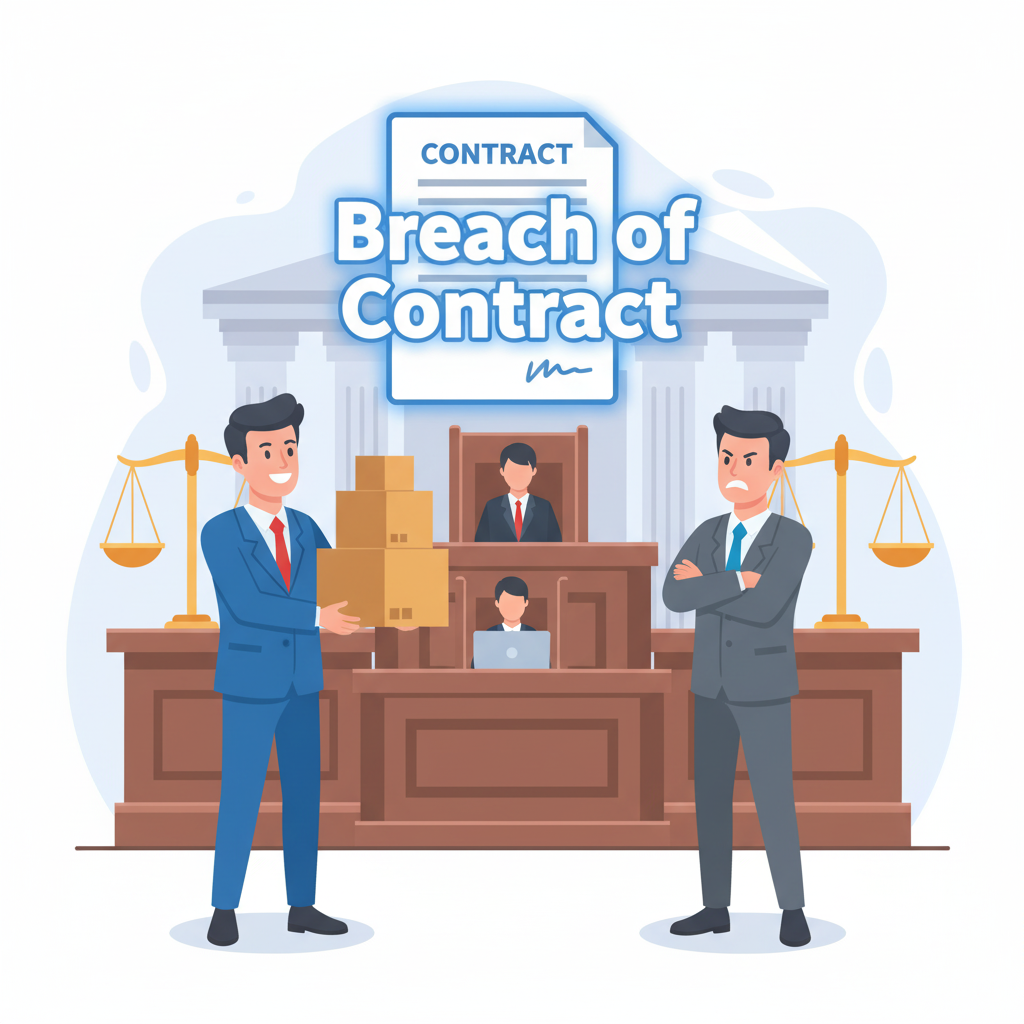
The Supreme Court said the word “charges” in the contract did not include demurrage. If FCI wanted demurrage from the contractor, the contract had to clearly say so.
- Demurrage was not part of the “charges” clause.
- Unilateral demand by FCI was not allowed; proper civil claim needed.
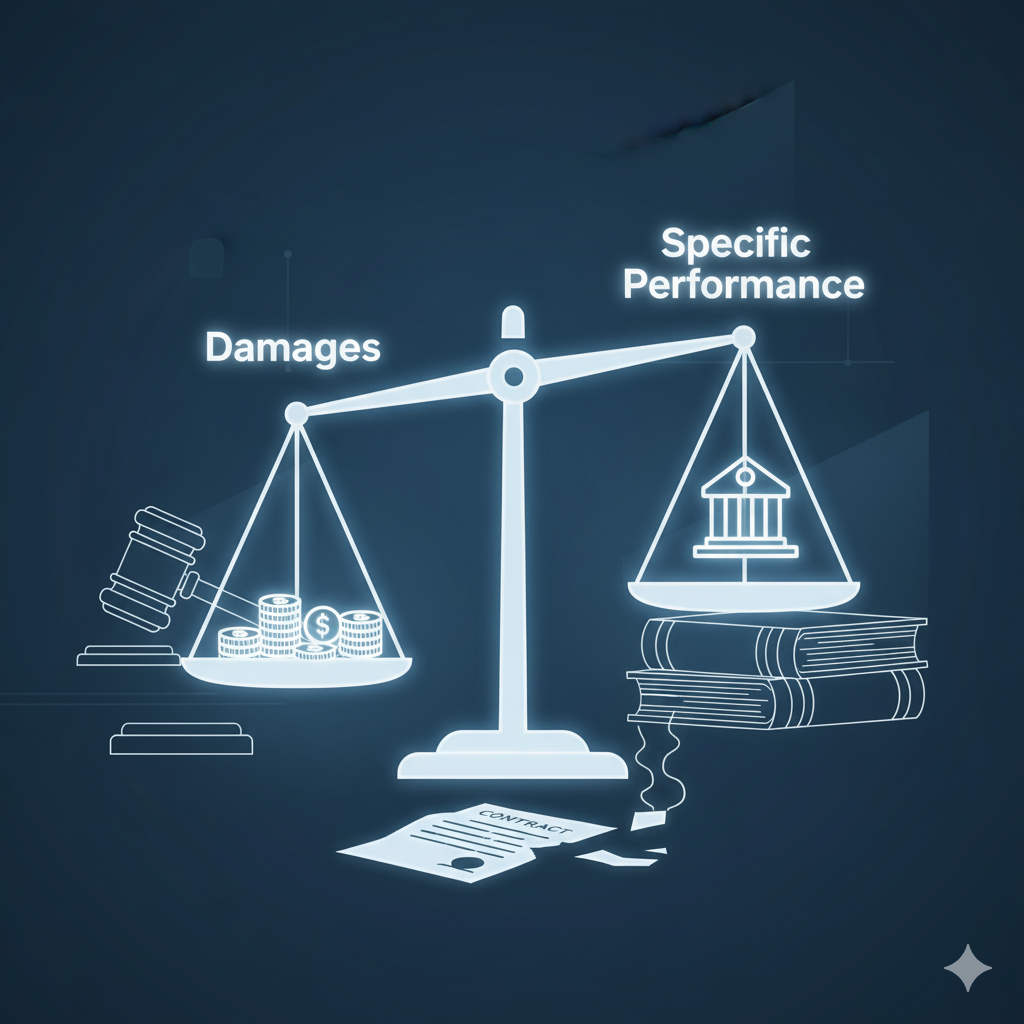
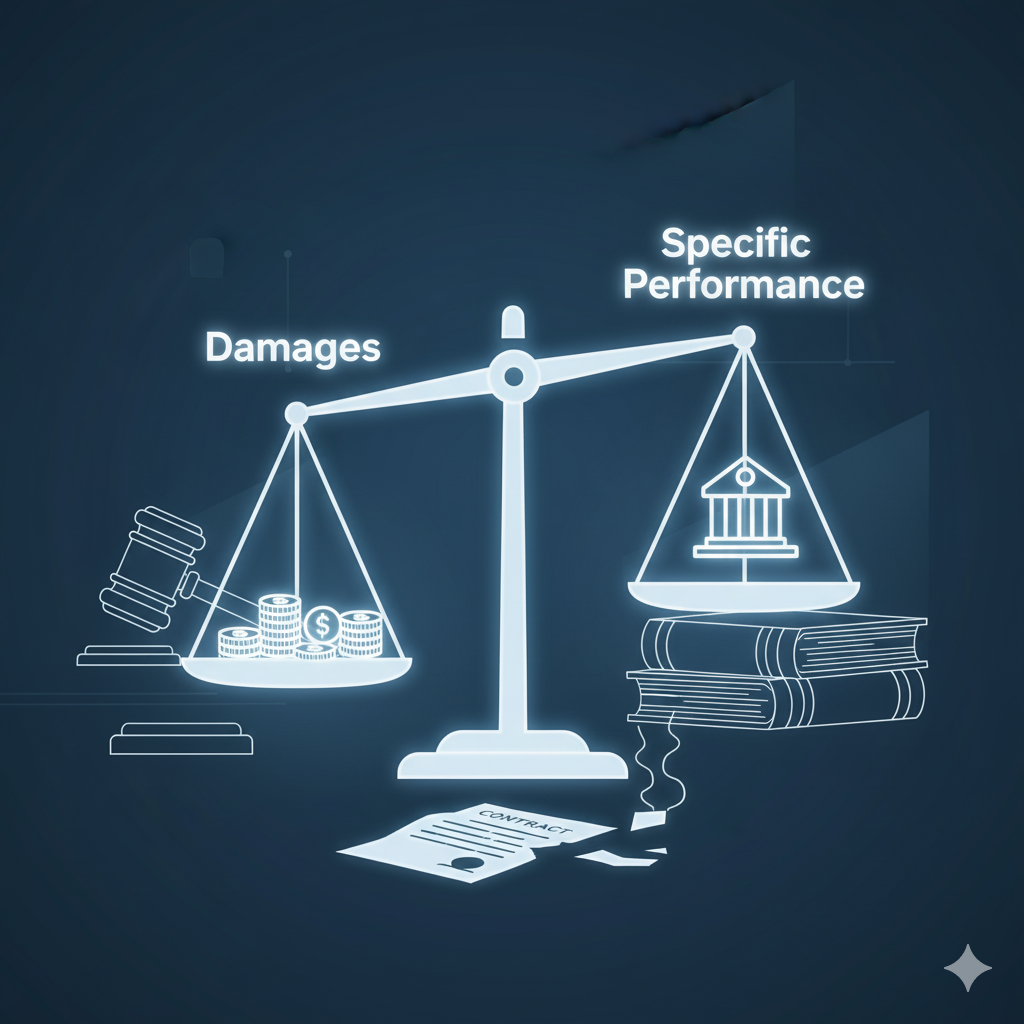
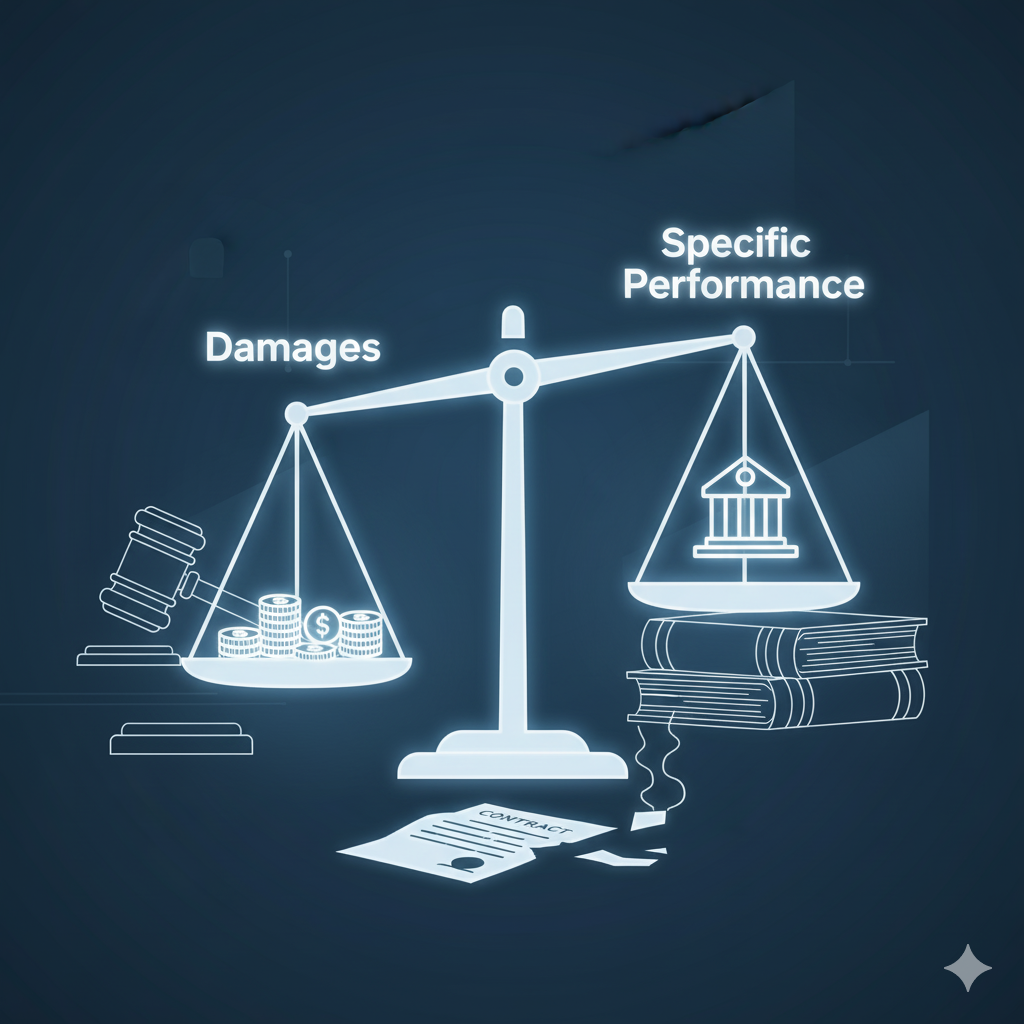
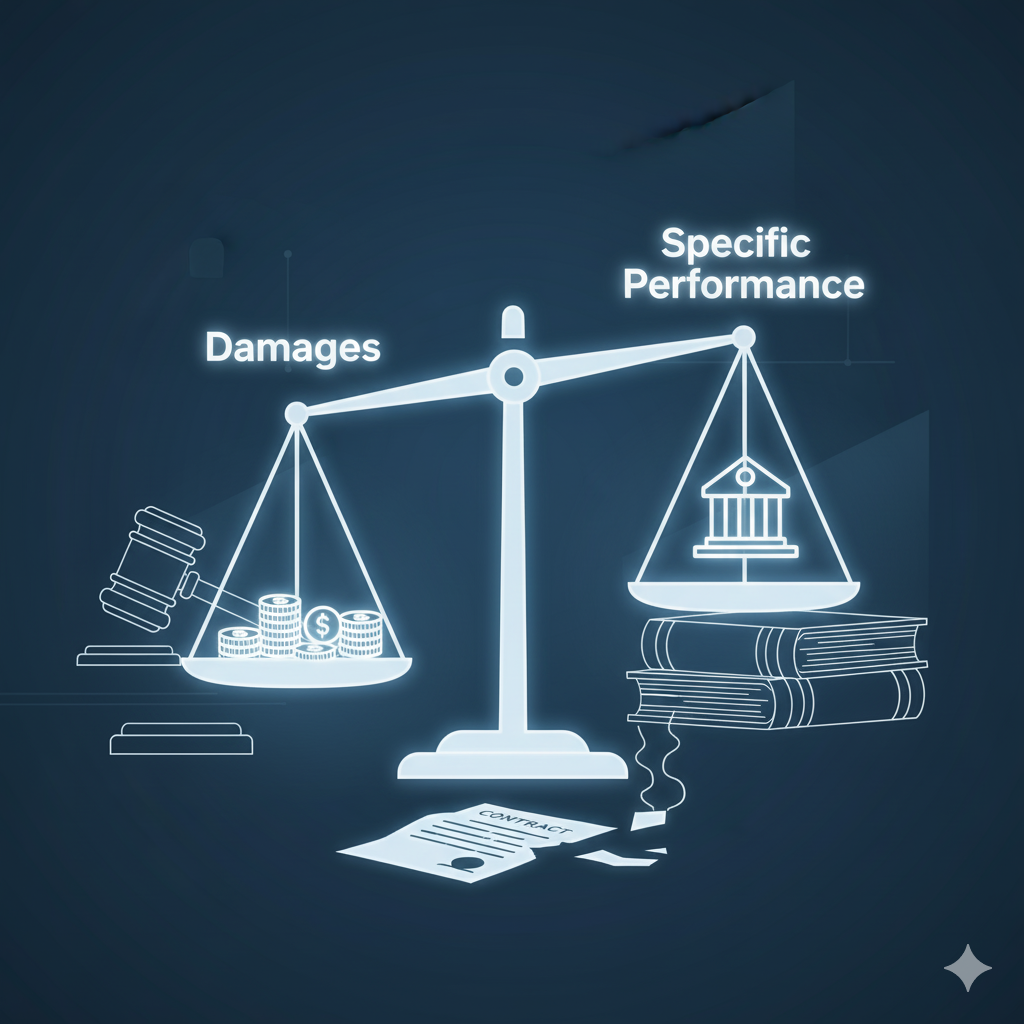
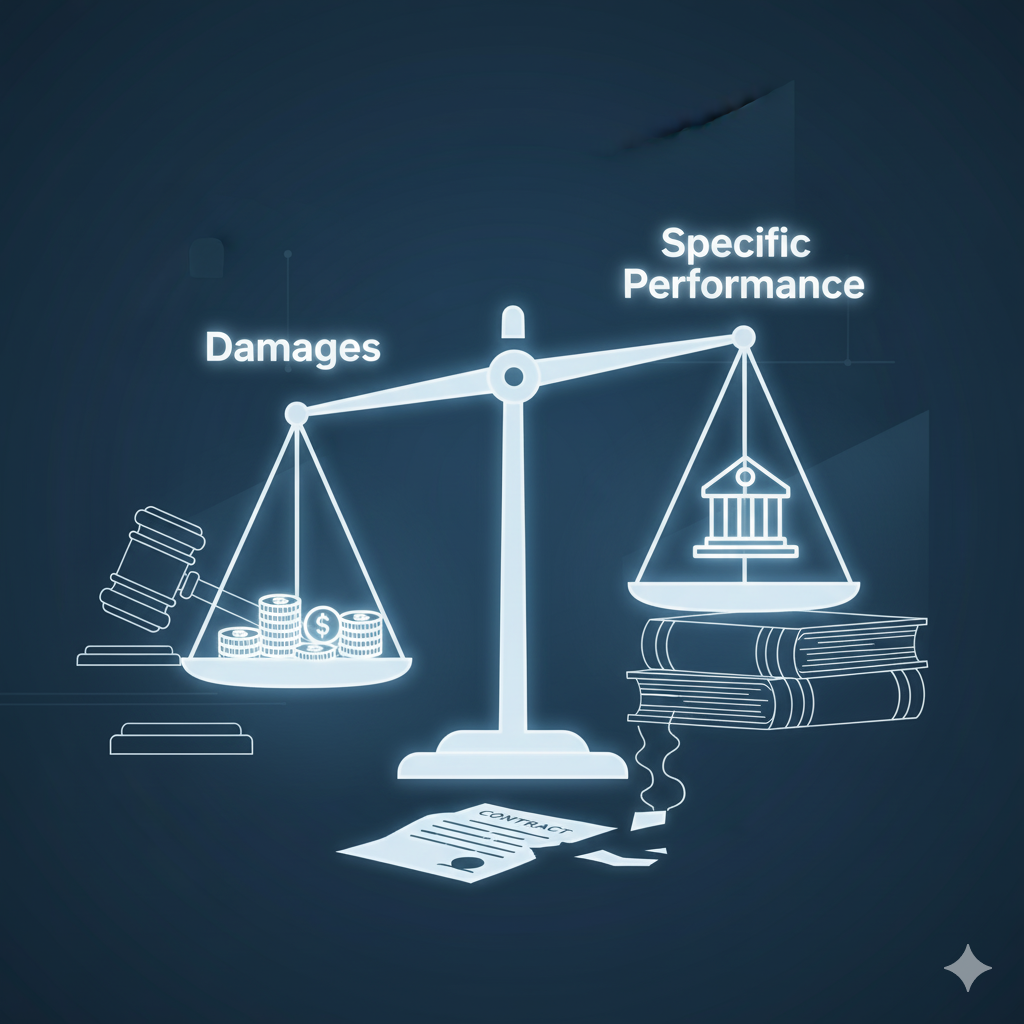
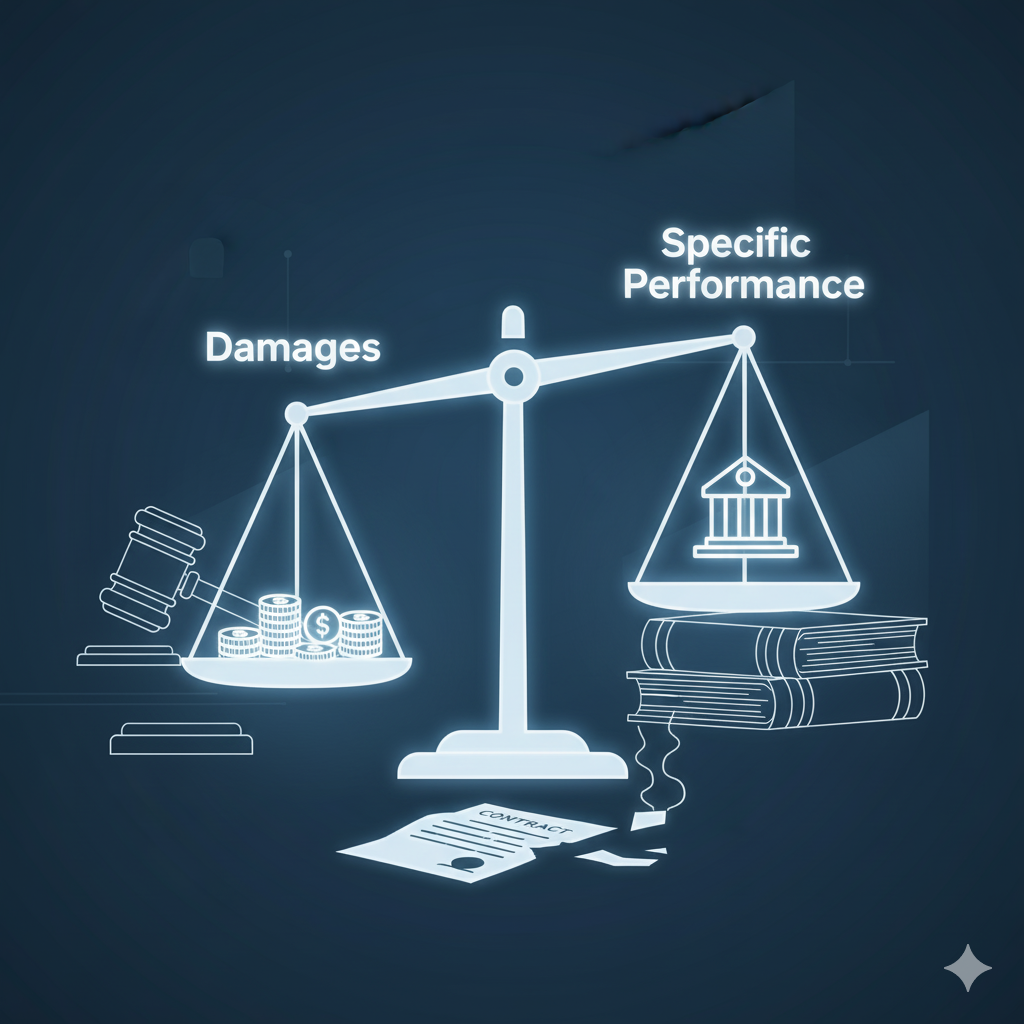
- Damages, if any, must be under Section 73 (ICA) with proof of breach and loss.
Issues
- Does the contract term “charges” permit FCI to recover demurrage from the contractor?
Rules
- Contract terms are read as a whole; the parties’ intent matters.
- Where wording is ambiguous, courts avoid stretching a term to include a specific levy not named.
- Section 73 ICA: Damages need breach + proof of loss; cannot be claimed by unilateral computation.
- Latent ambiguity: Words look clear, but on application, multiple meanings appear; the Court resolves by context and purpose.
Facts (Timeline)

Arguments
Appellant (FCI)
- Contractor’s failure to provide trucks caused delays and demurrage.
- The “charges” clause allowed recovery from the contractor.
- FCI’s demand was a proper adjustment under the contract.
Respondent (Contractor)
- “Charges” never mentioned demurrage; no such liability was assumed.
- Any money must be claimed as damages under Section 73 with proof.
- FCI cannot unilaterally decide and deduct demurrage.
Judgment

The Supreme Court held that “charges” in the contract did not include demurrage. If FCI suffered loss due to delay, it had to file a proper claim for damages under Section 73 and prove breach and loss. A unilateral decision was not valid.
- Reading the entire contract and the parties’ intent was key.
- Ambiguity could not be stretched to insert a specific levy like demurrage.
Ratio
A general charges clause does not automatically cover demurrage. Courts resolve latent ambiguity by purpose and context; where a levy is special, it must be clearly named or clearly intended.
Damages need the Section 73 pathway—breach and quantified loss.
Why It Matters
- Drafting clarity: If a party wants demurrage recovery, say so in clear words.
- No shortcuts: Use a proper damages claim; avoid unilateral deductions.
- Interpretation guide: Whole-contract reading controls when terms look broad.
Key Takeaways
- “Charges” ≠ “Demurrage” unless the contract clearly says so.
- Latent ambiguity is solved by context, not by stretching words.
- Section 73 claims need evidence of breach and actual loss.
Mnemonic + 3-Step Hook
Mnemonic: C-L-A-R — Charges ≠ Demurrage, Latent ambiguity, Ask for damages, Read whole contract.
- Read the contract (does it name demurrage?).
- Check ambiguity (is the term broad but unclear?).
- Claim right (use Section 73 with proof, not unilateral demands).
IRAC Outline
Issue: Does “charges” let FCI recover railway demurrage?
Rule: Whole-contract interpretation; special levies need clear words; Section 73 for damages.
Application: Contract did not clearly include demurrage; unilateral recovery invalid; any loss must be proven in a civil claim.
Conclusion: “Charges” did not include demurrage; FCI cannot recover it under that clause.
Glossary
- Demurrage
- A charge for delay in unloading/loading beyond free time—often by railways or ports.
- Latent Ambiguity
- Hidden uncertainty that appears when applying clear words to real facts.
- Section 73 (ICA)
- Damages for breach: must prove breach and actual loss caused.
FAQs















































































Popular & Recent Post




























































Comment
Nothing for now